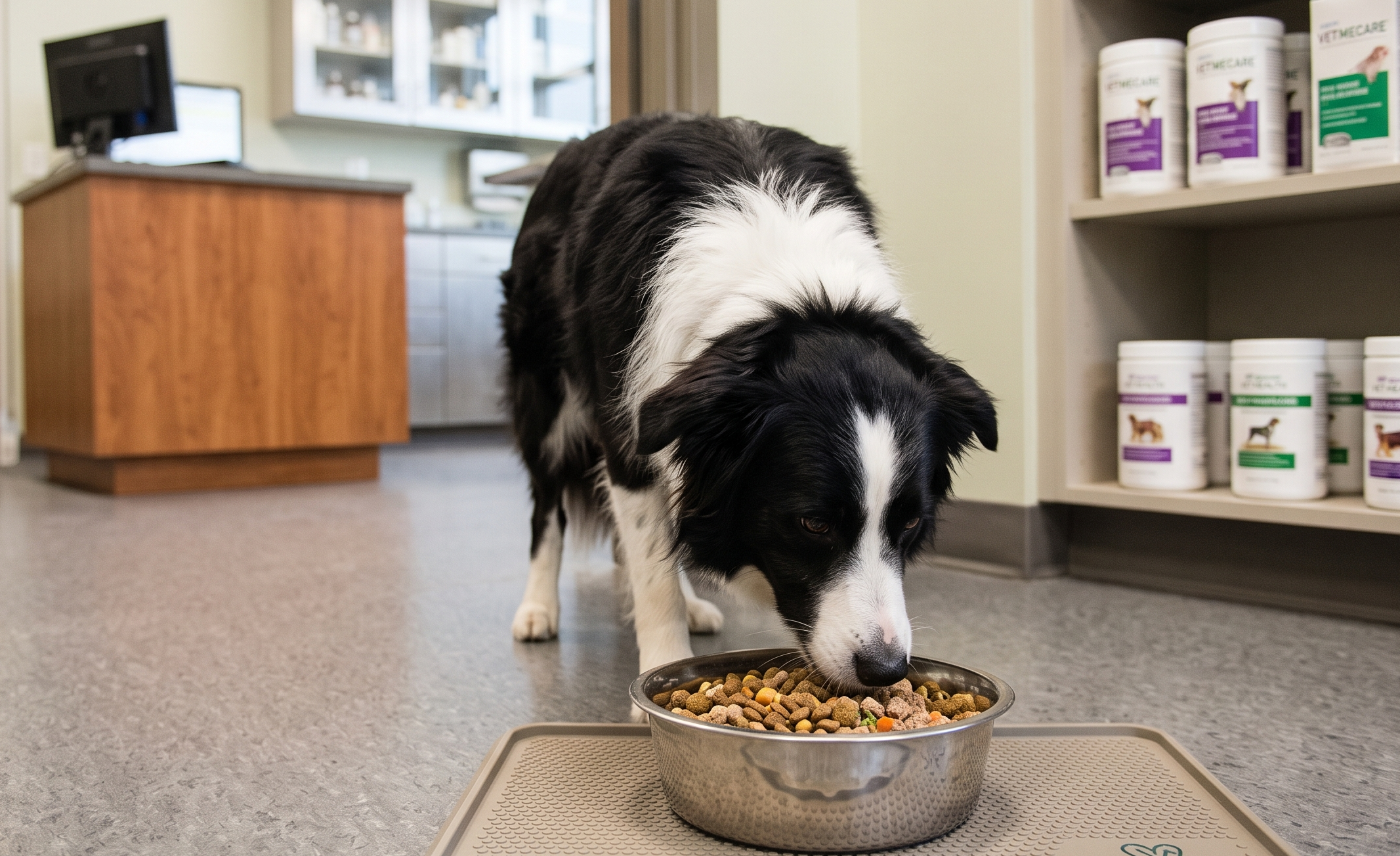
As veterinary professionals, we understand that nutrition is far more than just calories in and calories out. Emerging research into nutrient sensing — the biological processes by which the body detects and responds to specific nutrients — is opening exciting new doors in how we approach clinical nutrition for our canine and feline patients.
What Is Nutrient Sensing?
Nutrient sensing refers to the body’s ability to detect the presence, absence, or concentration of specific nutrients and respond accordingly. Key nutrient sensing pathways include:
- mTOR (mechanistic target of rapamycin) — responds to protein and amino acid availability
- AMPK (AMP-activated protein kinase) — acts as a cellular energy sensor
- GPR receptors — detect fatty acids and other dietary components in the GI tract
These pathways influence metabolism, appetite regulation, immune function, and even longevity.
Clinical Relevance in Dogs and Cats
Understanding nutrient sensing has direct implications for several conditions you likely manage regularly.
Obesity Management With approximately 60% of dogs now classified as overweight or obese, nutrient sensing research helps explain why simply reducing calories isn’t always enough. Protein sensing through mTOR pathways plays a critical role in preserving lean muscle mass during caloric restriction — particularly important in senior patients who already face accelerated muscle loss.
Gut Health and Immunity Research confirms that roughly 70-90% of the immune system resides in the GI tract. Nutrient sensing receptors lining the intestinal wall detect short-chain fatty acids, fiber fermentation products, and amino acids — directly influencing microbiome balance and immune signaling. This helps explain why diet composition, not just quantity, matters so much for patients with chronic GI conditions or compromised immunity.
Feline-Specific Considerations Cats present unique nutrient sensing challenges. As obligate carnivores, their sensing pathways are heavily tuned toward protein detection and have limited ability to sense carbohydrate loads. This has important implications for managing diabetic cats and those with hepatic lipidosis.
Nutrient sensing science is still evolving, but it is already informing the design of veterinary therapeutic diets. Foods enriched with specific amino acids, omega-3 fatty acids, and prebiotics are being developed with these pathways in mind.
As clinicians, staying current with research in nutrient sensing in veterinary clinical nutrition allows us to make more precise dietary recommendations — moving beyond generic feeding guidelines toward truly individualized nutrition plans.
Food is medicine, and nutrient sensing in veterinary clinical nutrition can help us understand how the body reads that medicine at a cellular level.