Progressive Retinal Atrophy (PRA) is a group of inherited eye conditions that can affect your canine companion. Understanding this disease and the available treatment options can help you provide the best care for your four-legged family member.
What is PRA?
PRA refers to several genetic disorders that cause the retina to gradually break down over time. The retina is the part of the eye that detects light and helps your dog see. With PRA, dogs experience progressive vision loss that develops over months or years. The age when symptoms start and how quickly the disease progresses depends on the specific type of PRA your dog has.
Signs to Watch For
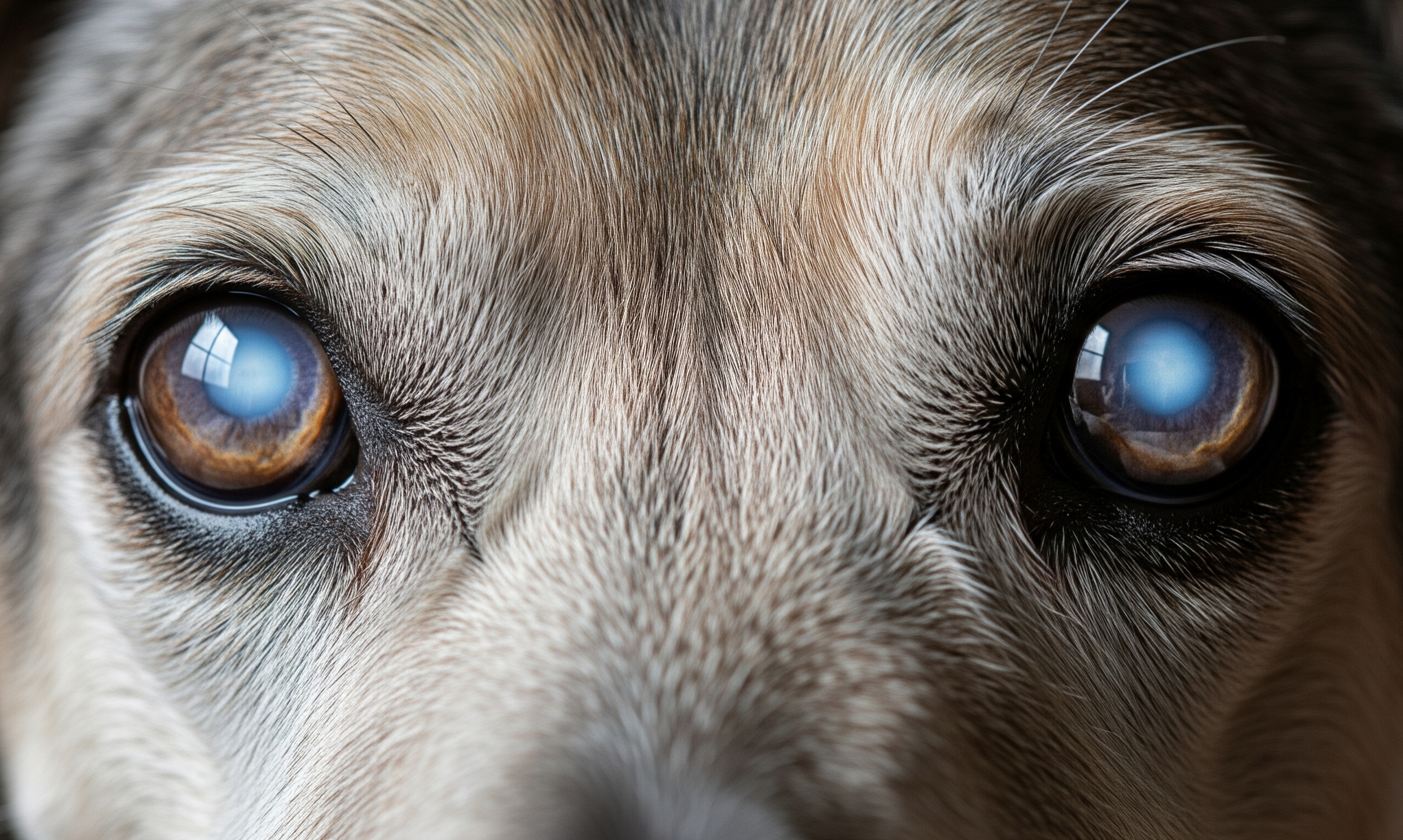
Dogs with PRA may show several warning signs. You might notice your dog bumping into objects, especially in dim lighting. Their pupils may appear more dilated than normal, and they may seem hesitant to go outside at night. Some dogs become more cautious or show changes in their usual behavior. As the disease advances, you may observe changes in the blood vessels at the back of the eye during veterinary examinations.
Conventional Approaches
Currently, there is no cure for PRA. However, your veterinarian can help manage the condition and monitor for complications. Regular eye examinations are essential to track disease progression. Your veterinarian may recommend anti-inflammatory eye drops to help prevent secondary problems like inflammation inside the eye. Monitoring for glaucoma, a painful increase in eye pressure, is also important, as this can occur with advanced retinal disease.
Genetic testing is available for many breeds, which can help identify dogs who carry PRA genes before symptoms appear. This information is valuable for breeding decisions and early preparation.
Complementary Approaches
Some dog guardians explore complementary therapies alongside conventional veterinary care. Antioxidant supplements, including vitamins C and E, may support overall eye health. Omega-3 fatty acids have anti-inflammatory properties that some believe might benefit dogs with eye conditions. Herbs like bilberry have been traditionally used for vision support.
If you suspect your dog may have PRA, schedule an appointment with your veterinarian promptly. They can perform a thorough eye examination and potentially refer you to a veterinary ophthalmologist for specialized testing. Remember, while dogs adapt remarkably well to vision loss, professional guidance ensures your companion stays comfortable and healthy throughout their journey