
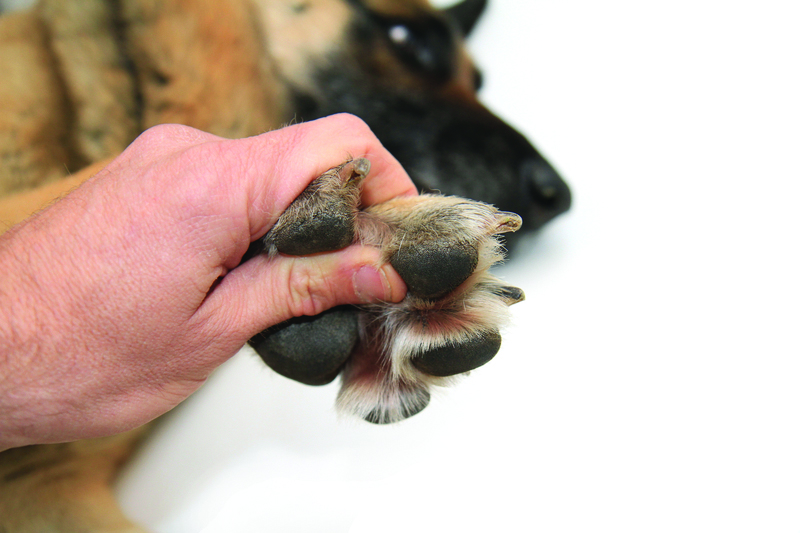
Find out if dogs and cats show left- or right-paw preferences, what it means, and simple ways to identify your best friend’s dominant paw.
Do dogs and cats have a dominant paw? Just as we are right-handed or left-handed, dogs and cats can show preferences for using one paw over the other. Researchers call this fascinating behavior “laterality.” It’s more common in our four-legged friends than many realize.
Paw preferences in dogs
Research shows many dogs favor one paw over the other when performing certain tasks. You might notice this when your dog:
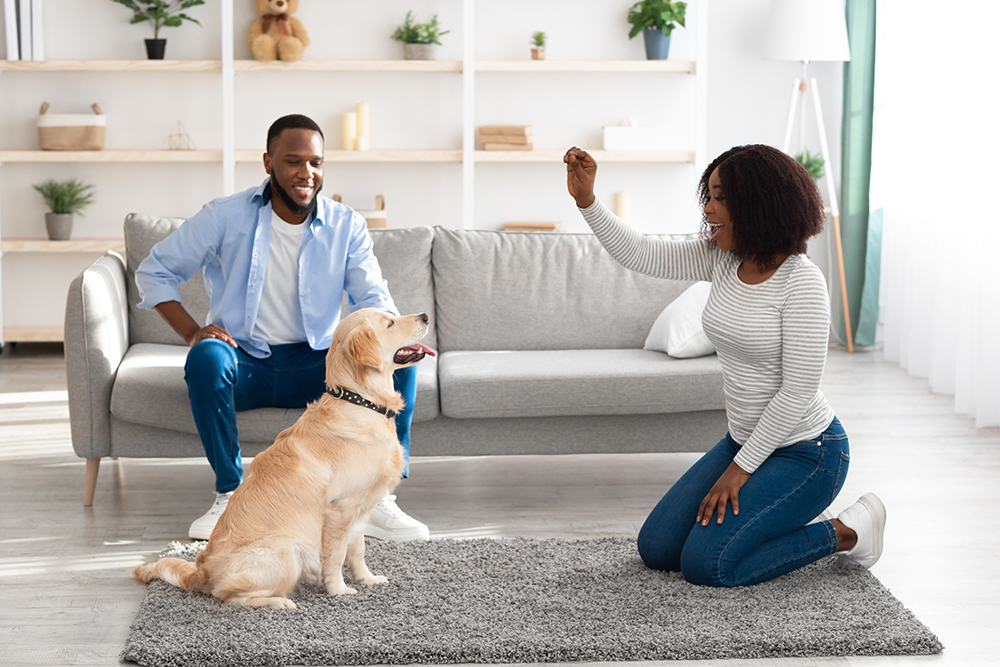
- Gives you their paw on command
- Reaches for treats or toys
- Steps down from stairs or ledges
- Tries to hold down a chew toy
Paw preferences in cats
Cats also demonstrate paw preferences, especially during activities that demand skill and precision. You can often observe this when they’re:
- Reaching for food or treats
- Playing with small toys
- Stepping downstairs
- Batting at moving objects
Research suggests female cats usually use their right paw. Male cats often prefer their left paw. However, not every cat shows a clear preference.
How to tell your furry companion’s paw preference
Want to know if your dog or cat has a dominant paw? Here are some simple ways to find out:
- Watch their first move: Notice which paw they use first when reaching for something or stepping down from a height.
- Treat test: Hold a treat slightly out of reach and see which paw they use to try to get it.
- Toy play: Watch which paw they use when batting at toys or trying to hold something down.
- Stair stepping: Observe which paw they lead with when going down steps.
Keep in mind you’ll need to watch for patterns over time. Dogs and cats might switch paws depending on their position or the specific task.
What this means for dog and cat parents
Observing your animal’s paw preference mostly provides fun information. But it can also help you better understand your furry friend’s natural behaviors and preferences. It’s another way dogs and cats show us how similar they can be to us in unexpected ways.
Remember, this article provides general information about normal animal behavior. If you notice any unusual movements or coordination problems, or if your dog or cat seems to avoid using one paw, consult your veterinarian. They can provide a professional evaluation to make sure everything is okay.