Cats experience stress too – here’s how to recognize anxiety, address triggers, and naturally support calm, confident feline behavior.
Cats may not pace the floor worrying about bills or doomscroll at midnight — but they absolutely experience anxiety and stress. These emotional states can affect your kitty’s behavior, health, and quality of life.
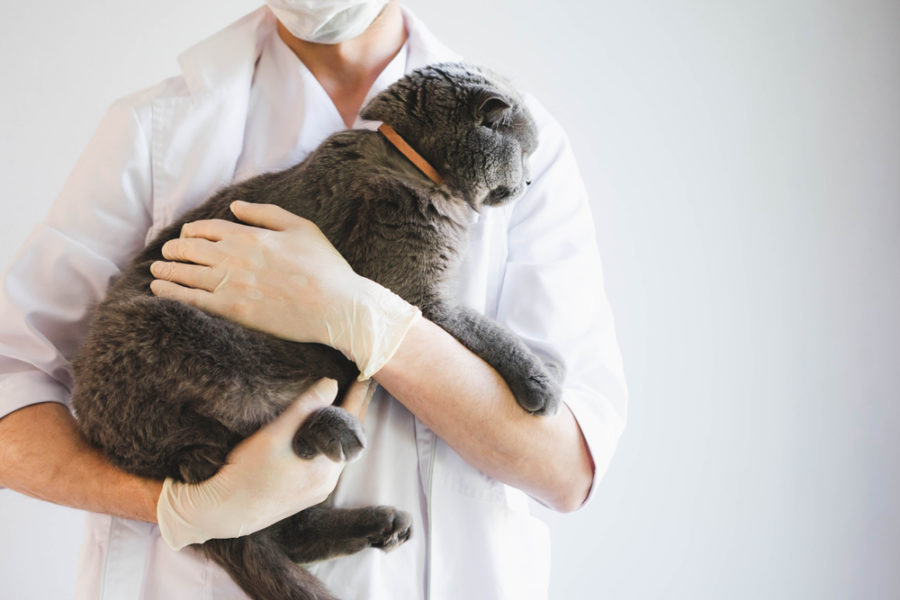
As a holistic veterinarian, I often see cats quietly suffer from mental health issues that masquerade as physical illness or “bad behavior.” The good news? With environmental support, integrative therapies, and (when needed) medication, we can help our feline friends feel safe and confident again.
Let’s explore cat anxiety and stress: integrative treatments and signs to watch for. We’ll look at how to recognize anxiety and depression in cats, their causes, and the holistic and conventional therapies that can help.
Recognizing anxiety and stress in your cat
Cats are subtle communicators, and emotional suffering often appears as changes in behavior, energy, or health. Not every quiet cat is stressed, and not every active cat is anxious. Still, many anxious cats show clear behavioral signs.
Feline anxiety ranges from mild situational stress to chronic generalized anxiety. Look for:
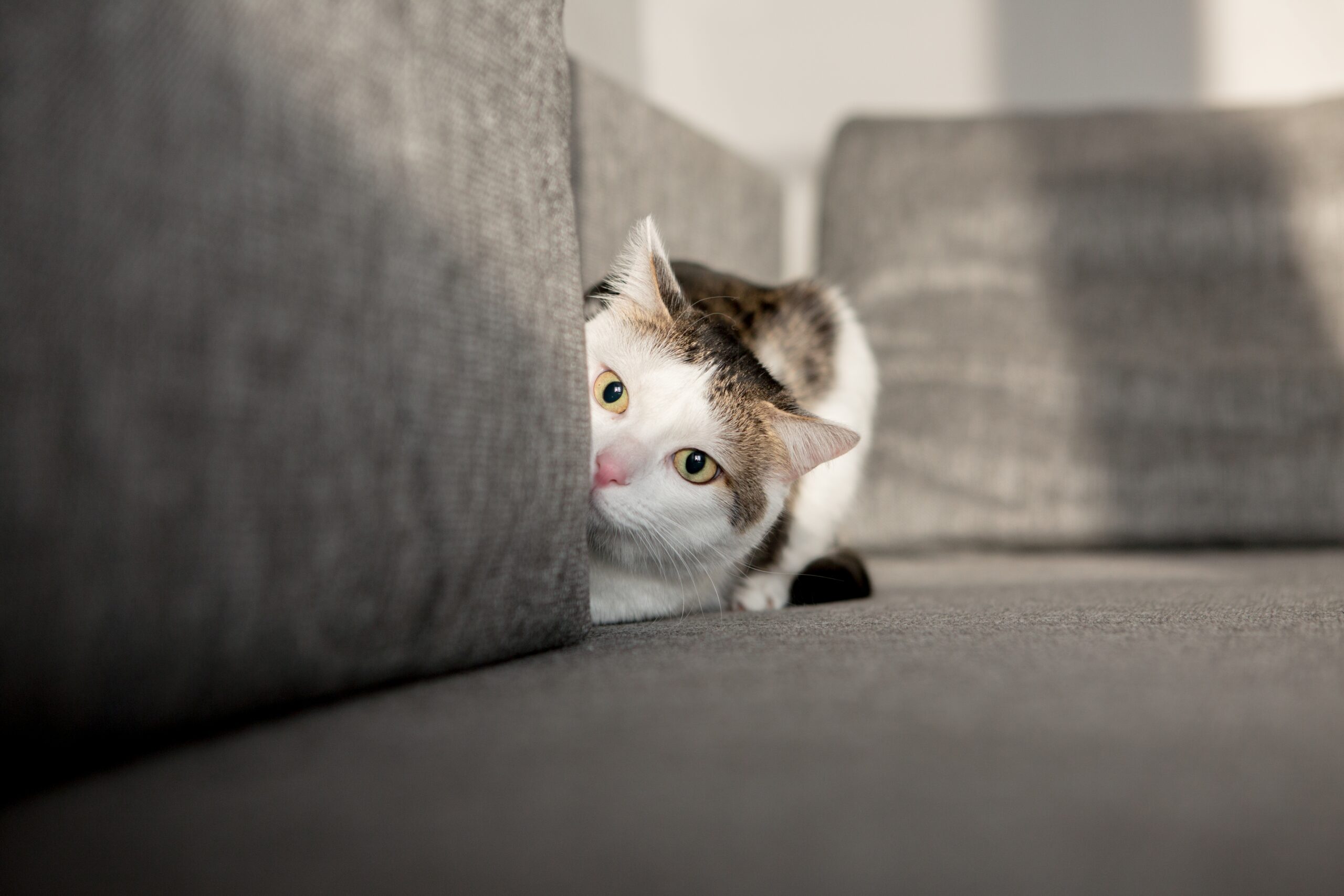
- Hiding regularly/more than usual or staying in one room: Cats are social creatures and require socialization for optimal mental health.
- Hypervigilance: Wide eyes, scanning, easily startled
- Excessive grooming: Overgrooming, bald patches
- Aggression or irritability: Especially toward other cats
- Urinating or defecating outside the litterbox
- Changes in appetite: Overeating or loss of appetite
- Vocalization: pacing or crying, especially when separated from the caretaker. =
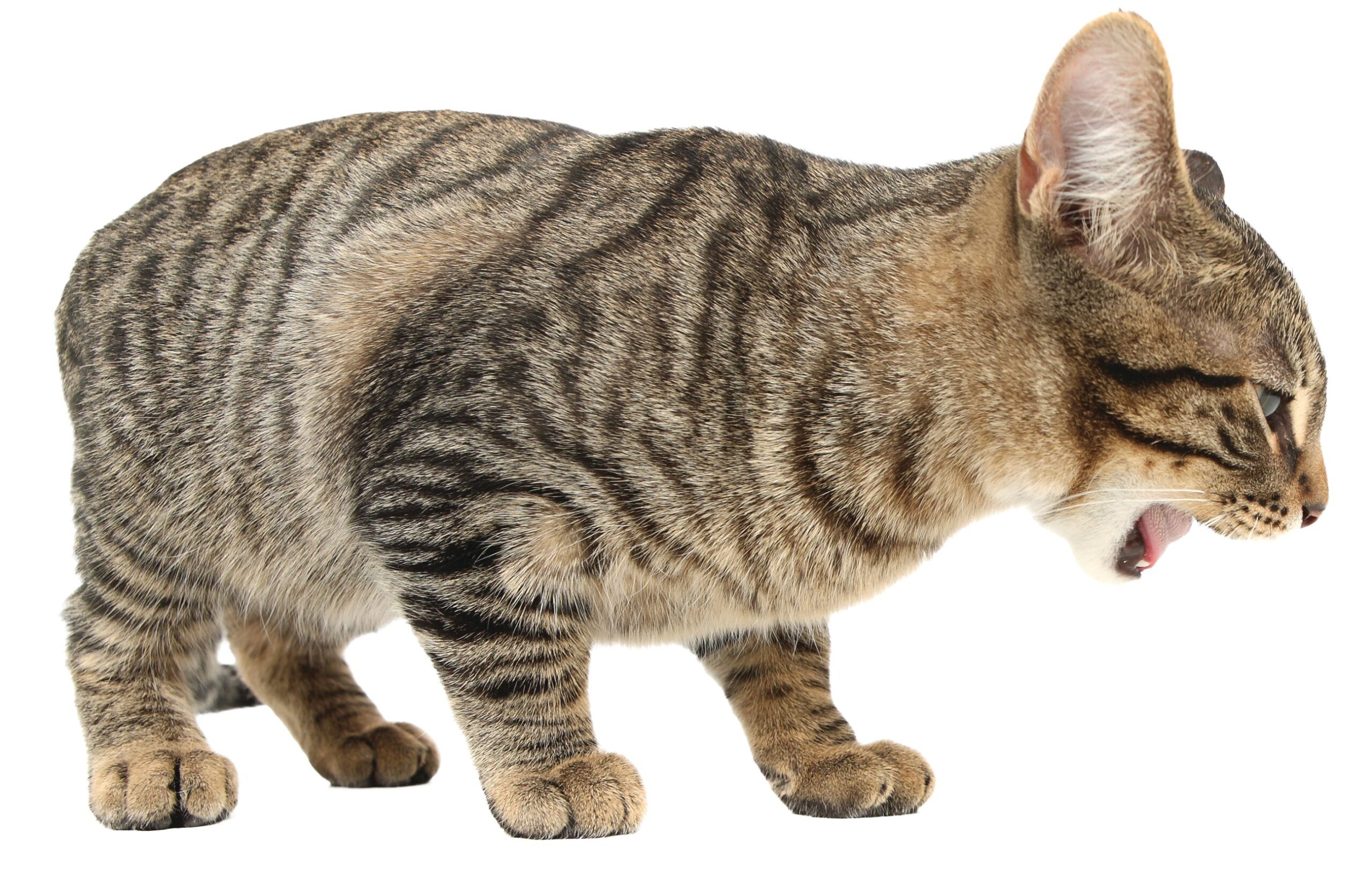
Anxious cats stay in a constant “on-alert” state that exhausts their nervous system and harms their health. Stress especially affects a cat’s urinary tract.
Why do cats become anxious and stressed?
Understanding the root of anxiety and stress helps guide the right therapy. Common causes include:
- Environmental changes: Moving, remodeling, new baby, new dog or cat, houseguests
- Intercat conflict: This can include neighborhood cats outside the home
- Loss or grief: Death or absence of a companion animal or human
- Boredom and under-stimulation: Especially among indoor cats
- Pain or chronic illness: Arthritis, dental pain, and gastrointestinal pain are common causes
- Lack of safe spaces, choice, or control: Cats need predictability, safety, autonomy, and enrichment. When these needs aren’t met, emotional distress often follows.
Supporting feline mental wellness: an integrative toolkit
A holistic approach combines environmental changes, lifestyle, emotional care, and, when needed, herbs, supplements, and medication. No single tool helps every cat. Tailor the plan to your feline’s individual needs.
1. Environmental modifications (your #1 therapeutic tool)
Cats thrive in the security and safety of a stable and predictable environment. Small changes can have a huge emotional impact.
Vertical spaces and safe zones
Window perches, cat shelves, tall trees, and hideaways reduce anxiety and build confidence. These spaces are even more crucial in a multi-animal household or one with small children.
Prevent neighborhood cat interactions
Seeing cats outdoors often stresses indoor kitties. Use window coverings to block their view and reduce anxiety.
Enrichment and play “therapy”
Short, daily play sessions using wand toys or chase toys mimic hunting and reduce anxiety.
Exposure to nature
Even indoor kitties can benefit from exposure to the natural world. Try catios, screened windows, supervised outdoor time, or leash training for adventurous cats.
Pheromone therapy
Feliway is a synthetic calming facial pheromone that reduces anxiety and helps with inter-cat tension.
2. Supplements for feline stress and anxiety
Supplements often ease mild to moderate anxiety. Chewable or flavored formulations can help with administration. Be sure to consult your veterinarian before giving your cat any new supplements.
L-Theanine
This amino acid increases serotonin to promote relaxation. Give this supplement daily or during stressful situations.
CBD (Cannabidiol)
CBD and other phytocannabinoids found in hemp extract can help decrease anxiety. Start at 2mg of CBD with food twice daily for the average ten-pound cat. When selecting a product, choose one derived from hemp, not marijuana.
3. Pharmaceuticals: when medication is needed
Think of medication not as a “last resort,” but as an act of compassion for suffering animals. Pharmaceuticals can stabilize emotions so behavioral and environmental therapies work more effectively. The most commonly used medications include:
SSRIs (Selective Serotonin Reuptake Inhibitors)
Veterinarians use SSRIs for chronic anxiety, compulsive behaviors (over-grooming), inter-cat aggression, and depression. SSRIs require four to six weeks to reach full effect.
TCAs (Tricyclic Antidepressants)
Vets prescribe TCAs for anxiety, compulsive disorders, and some forms of aggression. They are often a good option for sensitive cats or when SSRIs cause side effects.
Gabapentin
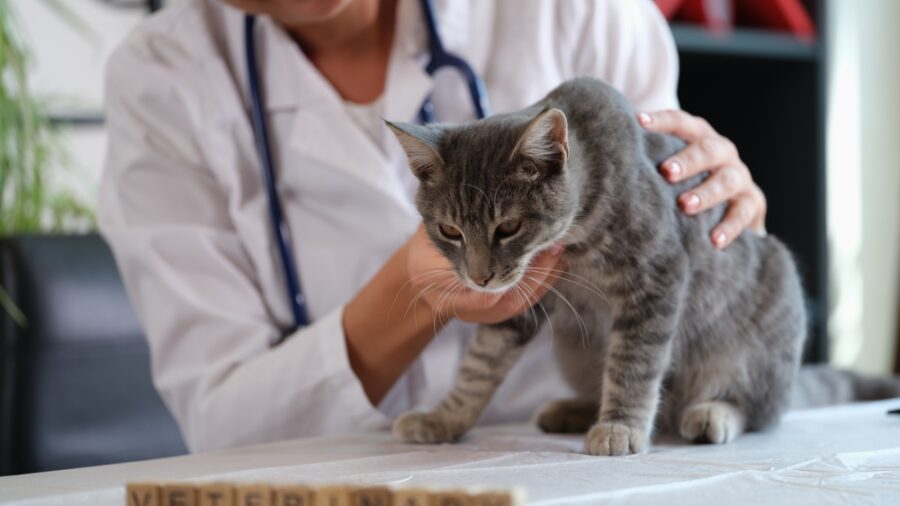
Great for situational anxiety, travel, vet visit stress, and fear aggression. Give Gabapentin one to two hours before a stressful event; it acts quickly to calm your cat. It can also help reduce pain that contributes to mood imbalance.
The right medication depends on your cat’s symptoms, their severity, household dynamics, and health.
4. Acupuncture and massage
From a truly holistic perspective, mind and body are inseparable. Modalities that balance the nervous system include:
- Acupuncture for anxiety, grief, trauma, or agitation
- Massage and gentle bodywork can relieve pain and thus reduce defensiveness and aggression.
These therapies help restore emotional balance. They also reduce stress hormones and help regulate the nervous system.
Final thoughts
Cats feel deeply. Anxiety and depression can erode their joy, vitality, and health. But with compassionate awareness and holistic support, healing is possible. By combining environmental enrichment, emotional support, supplements and, when needed, medication, we can help our feline friends feel safe, confident, and connected again.
Your cat’s emotional well-being matters just as much as their physical health. Understanding cat anxiety and stress — integrative treatments and signs to watch for — is one of the greatest gifts of love you can offer your kitty.
Inter-cat stress: the silent mental health saboteur
Multi-cat households are wonderful, but also one of the top sources of feline anxiety and depression.
Many families miss subtle signs of tension between cats. They assume if there’s no fighting, everything must be fine. In reality, a home can feel unsafe to a kitty if another cat:
- Blocks access to food, litter, or resting areas
- Stares or stalks silently
- Guard-sits in hallways or near the litter box
- Ambushes during play or transitions
- Controls high-value areas like the bed or window perch
This dynamic can trigger anxiety, bladder inflammation (FIC), and depression in the “bullied” cat — and stress in the “bully” too.
Quick holistic tips to reduce inter-cat stress
- Offer multiple, well-distributed resources, including food, water, litter, beds, cat trees
- Increase vertical territory to expand usable space
- Use scent-sharing rituals (shared grooming tools, sock scent swapping)
- Provide separate safe zones and decompression spaces
- Keep playtime and meals positive and separate if tension is high
Sometimes, one or both cats need medication to rebalance and rebuild their relationship.
A professional team approach to your cat’s anxiety and stress
If your cat struggles with anxiety, a professional team can help you create a successful treatment plan. Work with a trusted veterinarian and behavior expert to create your cat’s treatment plan. A holistic veterinarian can provide alternative therapies such as herbs and acupuncture.