As a dog parent, one of the most frightening situations you can face is seeing your furry companion injured in a road accident. Knowing how to respond quickly and calmly can make a crucial difference in your dog’s recovery. Here’s what you need to know to help your beloved canine in this emergency.
Stay Calm and Assess the Situation
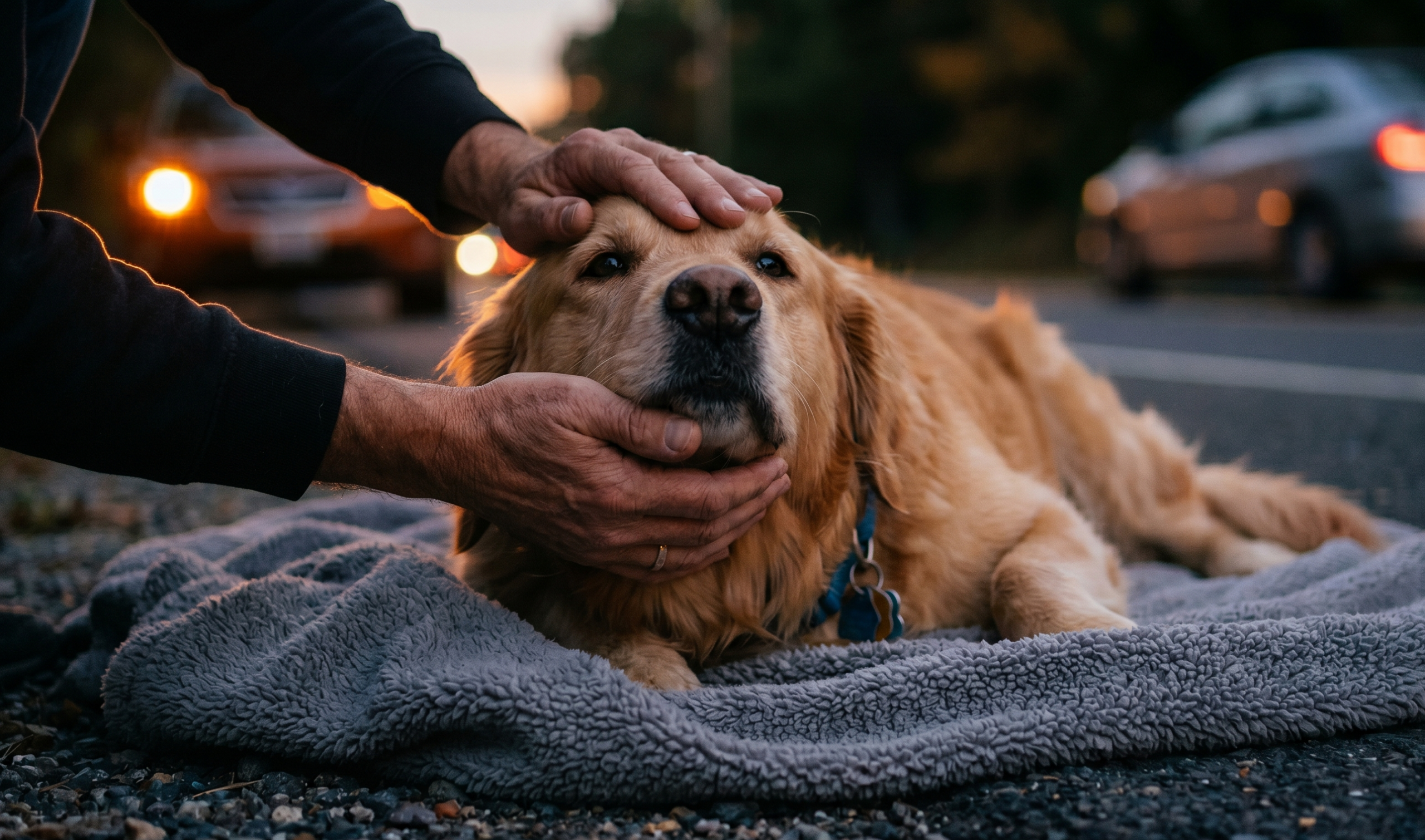
First, take a deep breath. Your dog needs you to stay composed. Approach your injured dog carefully and speak in a soft, reassuring voice. Even the gentlest dogs may bite when they’re scared and in pain, so move slowly and consider using a muzzle if you have one available—or fashion one from a soft cloth or leash.
Ensure Safety for Everyone
Before rushing to help, make sure the area is safe. Move your dog away from traffic if possible, but only if you can do so without causing further injury. Turn on your hazard lights and set up warning signals to prevent other accidents.
Check for Life-Threatening Injuries
Look for severe bleeding, difficulty breathing, or unconsciousness. If your dog is bleeding heavily, apply firm pressure with a clean cloth. For breathing problems, gently extend their neck to open the airway. However, don’t attempt CPR unless you’ve been trained, as improper technique can cause more harm.
Transport Your Dog Carefully
Use a flat, rigid surface like a board or blanket as a makeshift stretcher to move your dog. This helps prevent worsening any potential spinal injuries. Keep your dog as still as possible during transport. For smaller dogs, carefully support their entire body when lifting them.
Contact Your Veterinarian Immediately
Call ahead to your veterinarian or the nearest 24/7 emergency animal hospital while someone else drives. Explain the situation so they can prepare for your arrival. Keep these important numbers saved in your phone:
- Your primary veterinarian’s clinic
- Nearest 24/7 emergency veterinary hospital
What Not to Do
If your dog is injured in a road accident, don’t give the dog any medication, food, or water without veterinary guidance. Avoid moving your dog unnecessarily or trying to set broken bones yourself. Don’t delay seeking professional help, even if injuries seem minor—internal injuries aren’t always visible.
Remember
Every minute counts in an emergency. Even if your dog seems okay after an accident, internal injuries can develop later. Always get a professional opinion from your veterinarian to ensure your furry family member receives proper care and has the best chance for a full recovery.