

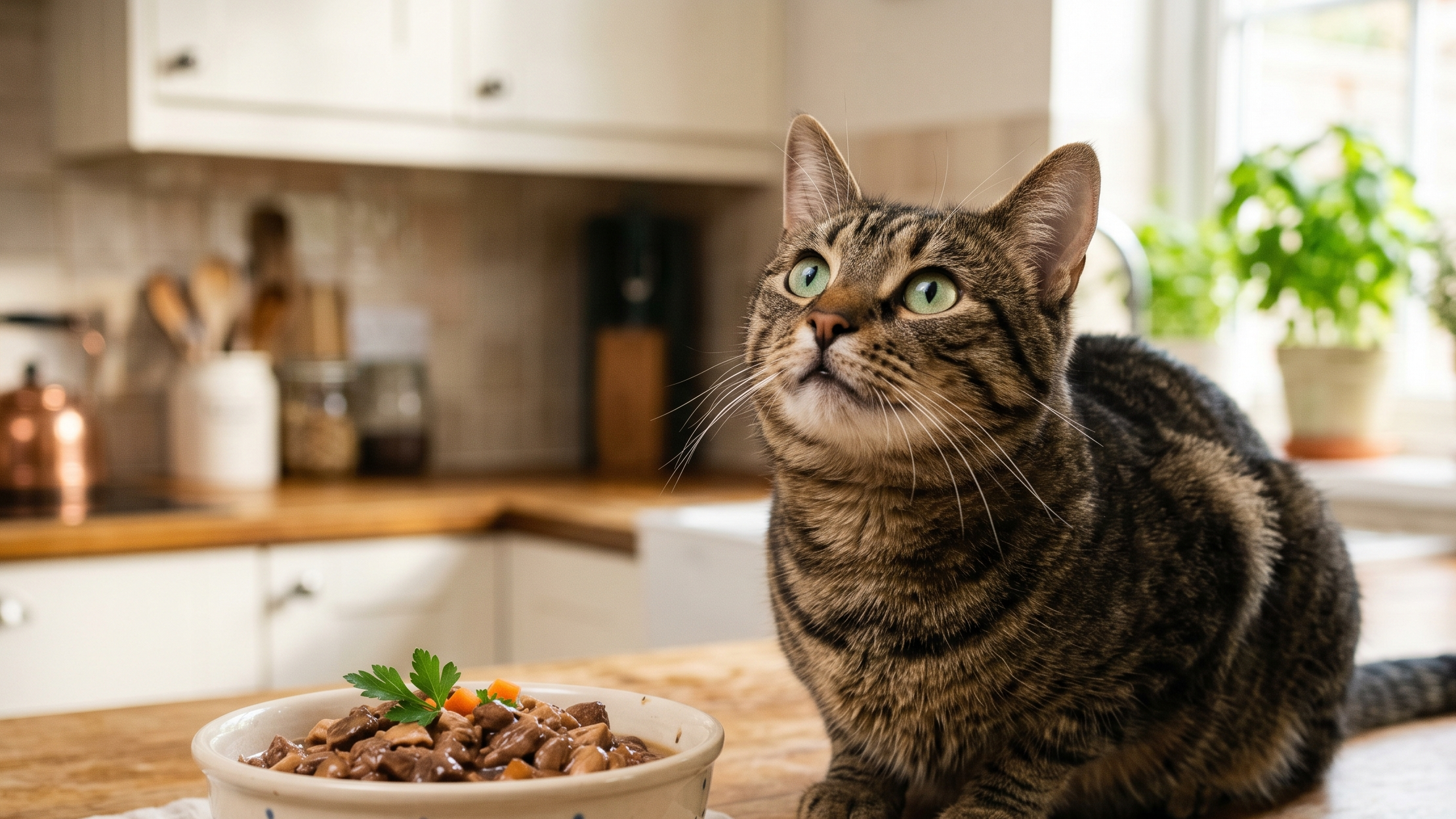
Every cat guardian wants their feline companion to live a long, healthy life. While genetics play a role, nutrition is one of the most powerful tools we have to support our cats’ wellbeing and potentially extend their years with us. Let’s explore some key nutritional strategies that can help your cat thrive.
Understanding Your Cat’s Unique Needs
Cats are obligate carnivores, meaning their bodies are designed to get nutrition primarily from meat. Unlike dogs or humans, cats have specific requirements for nutrients like taurine, arachidonic acid, and vitamin A that must come from animal sources. Building a diet around high-quality protein is fundamental to feline health and longevity.
High-Quality Protein is Essential
As cats age, maintaining muscle mass becomes increasingly important. Protein helps preserve lean body tissue, supports immune function, and keeps organs working properly. Look for foods where animal-based proteins (like chicken, fish, or turkey) are listed as the first ingredients. Generally, adult cats need at least 26% protein in their diet, though many veterinarians recommend even higher levels, especially for senior cats.
Hydration Matters More Than You Think
Cats naturally have a low thirst drive because their ancestors came from desert environments. This makes them prone to chronic dehydration, which can lead to kidney disease and urinary problems. Incorporating wet food into your cat’s diet is an excellent way to increase water intake. Many veterinarians suggest that at least part of a cat’s daily nutrition should come from moisture-rich foods.
Weight Management Throughout Life
Obesity is one of the biggest threats to feline longevity. Extra weight increases the risk of diabetes, arthritis, heart disease, and certain cancers. Work with your veterinarian to determine your cat’s ideal weight and caloric needs. Avoid free-feeding, and instead offer measured portions at regular times. Remember that even a pound or two of extra weight on a cat is significant.
Age-Appropriate Nutrition
Your cat’s nutritional needs change throughout their life. Kittens need more calories and certain nutrients for growth. Adult cats require balanced maintenance diets. Senior cats (typically 7+ years) may benefit from foods with adjusted protein levels, added antioxidants, and supplements that support joint and kidney health. Discuss with your veterinarian when to transition between life stages.
Beneficial Supplements and Nutrients
Certain nutrients show promise in supporting longevity:
-
Omega-3 fatty acids support brain health, reduce inflammation, and promote healthy skin and coat
-
Antioxidants like vitamins E and C help combat cellular damage
-
Joint supplements containing glucosamine can support mobility as cats age
Consistency and Quality
Sudden diet changes can upset your cat’s digestive system. When switching foods, do so gradually over 7-10 days. Choose foods that meet AAFCO (Association of American Feed Control Officials) standards, which ensures basic nutritional adequacy.
Good nutrition is an investment in your cat’s future. While these strategies can support longevity, every cat is unique. Regular veterinary checkups and professional guidance about your specific cat’s nutritional needs are essential. Your veterinarian can recommend the best dietary approach based on your cat’s age, health status, and individual requirements.


