Inflammation is one of the body’s most important protective responses. In horses, it helps the immune system react to injury, infection, stress, and tissue damage. But while short-term inflammation is necessary for healing, chronic inflammation can quietly contribute to pain, poor performance, digestive problems, metabolic issues, and long-term disease.
Understanding how inflammation works — and how to support the body naturally — can help horse owners make better decisions for long-term equine wellness.
Acute vs. Chronic Inflammation
Not all inflammation is harmful. In fact, acute inflammation is a normal and healthy biological response.
Acute inflammation
This type occurs suddenly after injury, infection, or physical strain. Signs may include:
- Heat
- Swelling
- Tenderness
- Stiffness
- Mild lameness
- Temporary behavioral changes
Acute inflammation is part of the healing process. When a horse strains a tendon, develops a scrape, or fights off an infection, the immune system sends inflammatory cells to repair damaged tissue.
Chronic inflammation
Chronic inflammation develops when the inflammatory response continues long after the initial trigger is gone. This low-grade, ongoing stress can slowly damage tissues and interfere with normal body function.
Chronic inflammation is commonly associated with:
- Arthritis
- Laminitis
- Gastric irritation
- Allergies
- Metabolic disorders
- Persistent muscle soreness
- Gut imbalance
- Long-term stress
Unlike acute inflammation, chronic inflammation may not always be obvious. Horses may simply appear uncomfortable, resistant under saddle, stiff, dull-coated, or less willing to perform.
Common Triggers of Inflammation in Horses
Inflammation rarely has a single cause. In many cases, multiple lifestyle and environmental factors contribute to the body remaining in a constant inflammatory state.
Common triggers include:
High-sugar feeds and pasture
Diets high in sugars and starches may contribute to systemic inflammation, especially in horses prone to metabolic conditions or laminitis.
Poor gut health
The hindgut plays a major role in immune regulation. Digestive imbalance, ulcers, sudden feed changes, or low forage intake can increase inflammatory responses throughout the body.
Overtraining and inadequate recovery
Intense exercise without proper recovery can lead to muscle inflammation and tissue stress.
Chronic stress
Travel, isolation, inconsistent routines, noise, and herd instability may increase stress hormones that influence inflammatory pathways.
Environmental allergens
Dust, mold, pollen, and insect sensitivity can all trigger inflammatory reactions in susceptible horses.
Aging and joint wear
Senior horses naturally experience more inflammatory joint changes over time, especially in high-motion areas like hocks, stifles, and fetlocks.
Anti-Inflammatory Foods and Herbs
Nutrition is one of the most effective ways to naturally support inflammatory balance in horses.
Omega-3 fatty acids
Omega-3s are well-known for their anti-inflammatory properties and may help support joints, skin, immune health, and recovery.
Common sources include:
- Flaxseed
- Chia seeds
- Camelina oil
Turmeric
Turmeric contains curcumin, a compound studied for its anti-inflammatory and antioxidant effects. It is often used to support joint comfort and mobility.
Boswellia
Boswellia is an herbal resin traditionally used to support healthy inflammatory responses and joint function.
Meadowsweet
This traditional herb contains naturally occurring salicylates and has historically been used for discomfort associated with inflammation and stiffness.
Antioxidant-rich foods
Vitamin E, selenium, and polyphenol-rich plants may help reduce oxidative stress that contributes to inflammation.
Healthy forage-based diets
Consistent access to quality forage supports digestive stability and helps maintain a healthier inflammatory balance throughout the body.
Natural support should always be introduced thoughtfully, especially if a horse is taking medications or managing a medical condition.
Supporting Recovery Naturally
Managing inflammation isn’t only about supplements. Recovery and management practices matter just as much.
Helpful recovery strategies include:
- Adequate turnout and movement
- Proper hydration
- Consistent sleep and rest
- Balanced hoof care
- Saddle fit evaluations
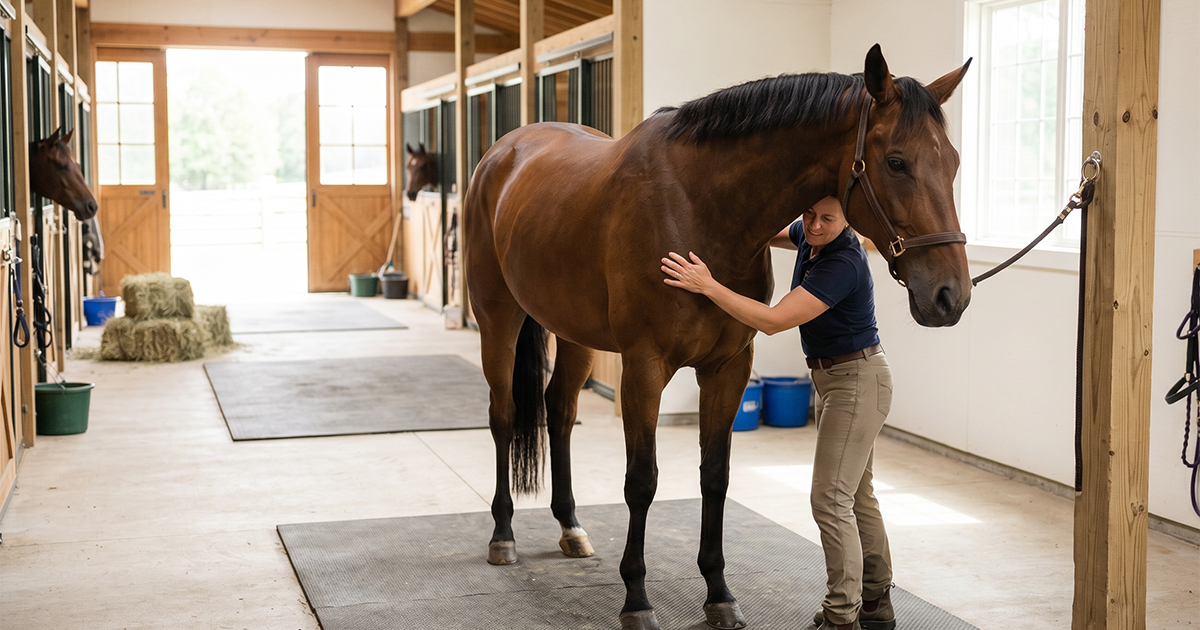
- Massage and bodywork
- Cold therapy after intense exercise
- Gradual conditioning programs
- Stress reduction and stable routines
Supporting the nervous system and minimizing chronic stress can also help regulate inflammatory responses over time.
When to Involve a Veterinarian
Natural support can be beneficial, but inflammation should never be ignored — especially when symptoms persist or worsen.
Contact a veterinarian if your horse shows:
- Significant swelling or heat
- Severe or worsening lameness
- Persistent stiffness
- Fever
- Loss of appetite
- Behavioral changes
- Signs of laminitis
- Recurring digestive upset
- Chronic pain or declining performance
Inflammation is often a symptom rather than a diagnosis. Identifying the root cause is essential for proper treatment and long-term health.
A collaborative approach that combines veterinary guidance with supportive nutrition, management, and integrative therapies often provides the best outcome for horses dealing with inflammatory conditions.
Conclusion
Inflammation is a normal part of healing, but chronic inflammation can quietly affect nearly every aspect of a horse’s well-being. By supporting gut health, reducing stress, improving nutrition, and recognizing early warning signs, horse owners can help their horses maintain better comfort, mobility, and overall resilience.
Natural approaches work best when paired with careful observation, thoughtful management, and professional veterinary care when needed.