

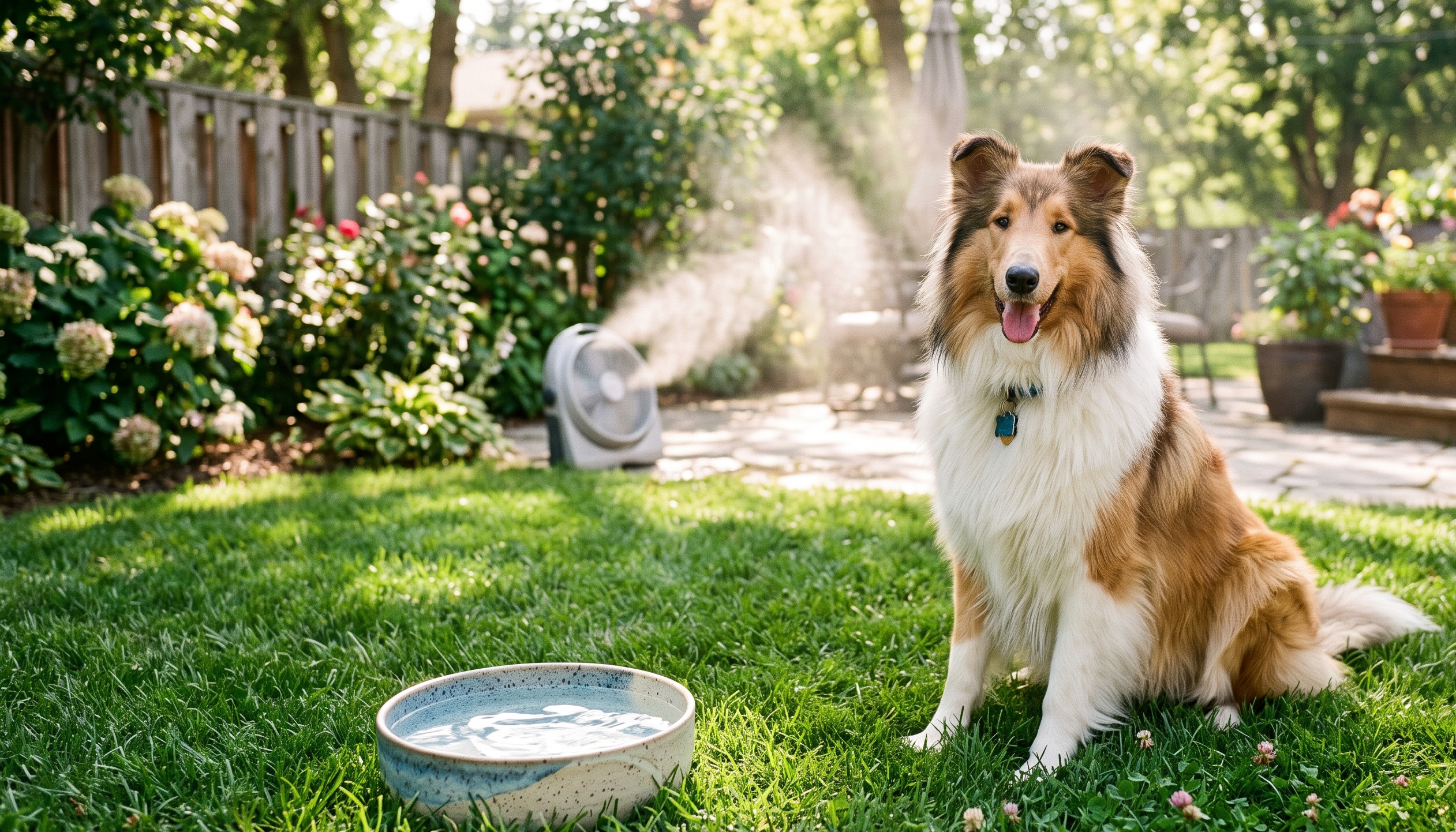
When summer temperatures rise, one of the biggest threats to your dog’s health is heatstroke. This is a life-threatening emergency that needs your full attention. Let’s explore how you can support your dog’s well-being during hot weather. Here’s what you need to know.
Understanding the Risk
Dogs don’t sweat the way humans do. They rely mostly on panting to cool down, which makes them much more vulnerable to overheating. Brachycephalic breeds — like Pugs, Bulldogs, and Boxers — are especially at risk because their short airways make panting less effective. Senior dogs, overweight dogs, and those with thick coats also need extra protection.
Warning Signs to Watch For
Early signs that your dog may be overheating include:
- Heavy panting
- Excessive drooling
- Seeking shade
- Reluctance to move or play
More serious signs — like vomiting, bloody diarrhea, confusion, seizures, or collapse — mean it’s time to go to the veterinary hospital immediately.
Holistic Approaches to Prevention
While no natural remedy replaces emergency veterinary care, these holistic strategies can help support your dog’s comfort and resilience during hot months.
Hydration Support: Fresh, clean water is the foundation of heat safety. Some holistic practitioners suggest adding a small amount of coconut water (unsweetened) to your dog’s water bowl for added electrolytes — though always check with your veterinarian first.
Cooling Therapies: Cool water applied to the paw pads, belly, and groin area can help bring body temperature down naturally. A damp towel or a gentle misting fan creates a soothing, cooling environment. Be sure to wet double-coated breeds all the way down to the skin.
Nutrition & Diet: A species-appropriate diet with high moisture content — like fresh or lightly cooked food — can contribute to overall hydration and body function. Many holistic veterinarians recommend foods rich in antioxidants during summer to support cellular health.
Mindful Scheduling: Walk your dog in the early morning or evening when temperatures are lower. Avoid hot asphalt — if you can’t hold your hand on the pavement for 10 seconds, it’s too hot for your dog’s paws.
Water Activities: Swimming is a wonderful, low-stress way for dogs to stay cool while getting exercise. It supports joint health and mental stimulation simultaneously.
The mentioned approaches work best as prevention and support — not as a substitute for emergency care. If your dog shows signs of heatstroke, cool them down with water and get to a veterinarian right away.
Always consult your veterinarian before introducing any new supplements or dietary changes to your dog’s routine. Your vet is your best partner in keeping your dog healthy all summer long.