

Most pet owners miss the critical mid-year check that keeps their pets healthy all year long. Skipping this step leaves gaps in preventive pet care that can lead to costly problems down the road. This post shows you how to build a mid-year pet wellness checklist that covers everything from vaccination review pets to body condition score, so you can feel confident about your pet’s health year-round. For more information on seasonal pet wellness, visit this ultimate pet wellness checklist.
Build Your Checklist
Putting together an effective pet wellness checklist can seem overwhelming, but it’s a crucial part of maintaining your pet’s health. This section guides you through essential steps to ensure your pet stays happy and healthy.
Essential Preventive Steps
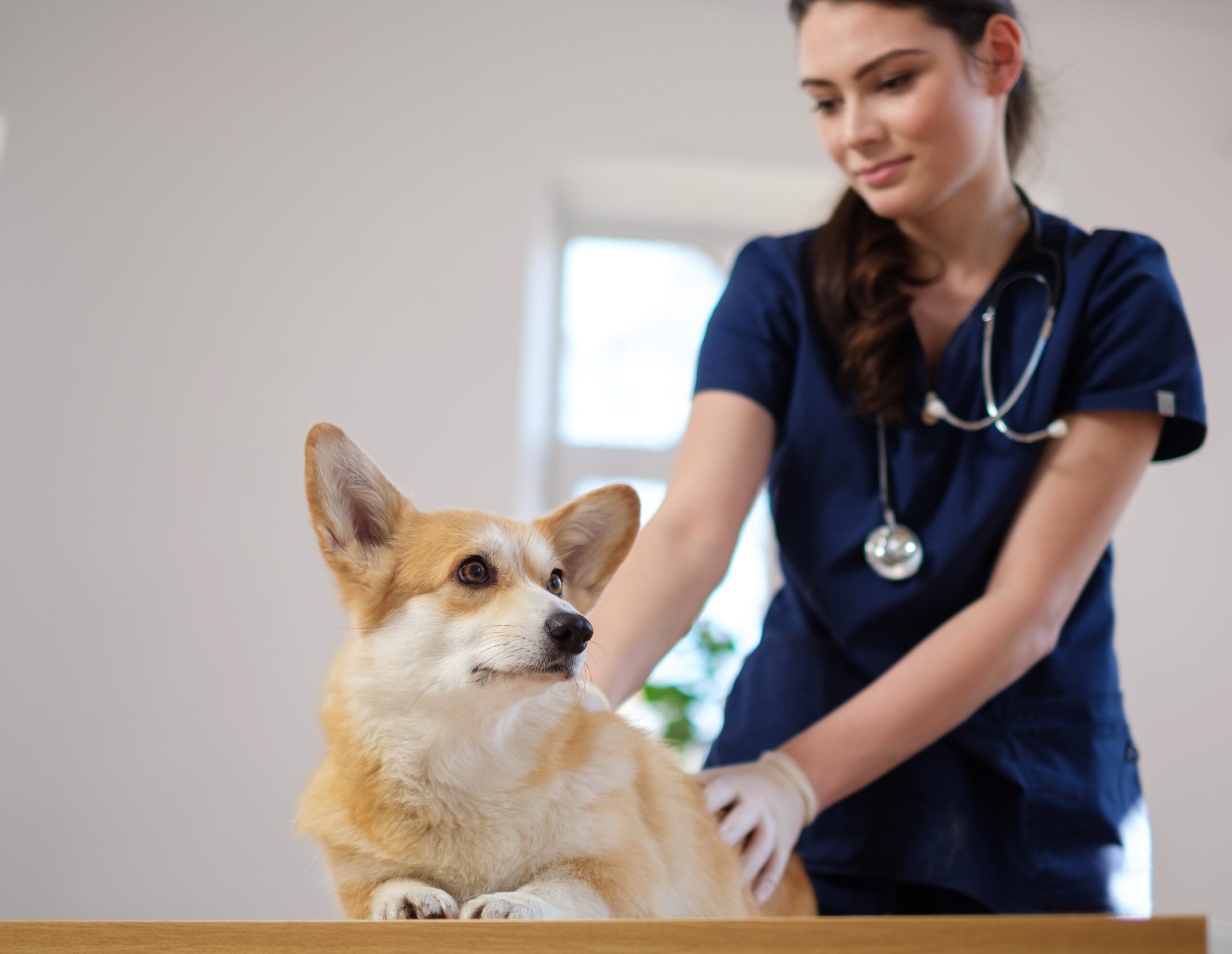
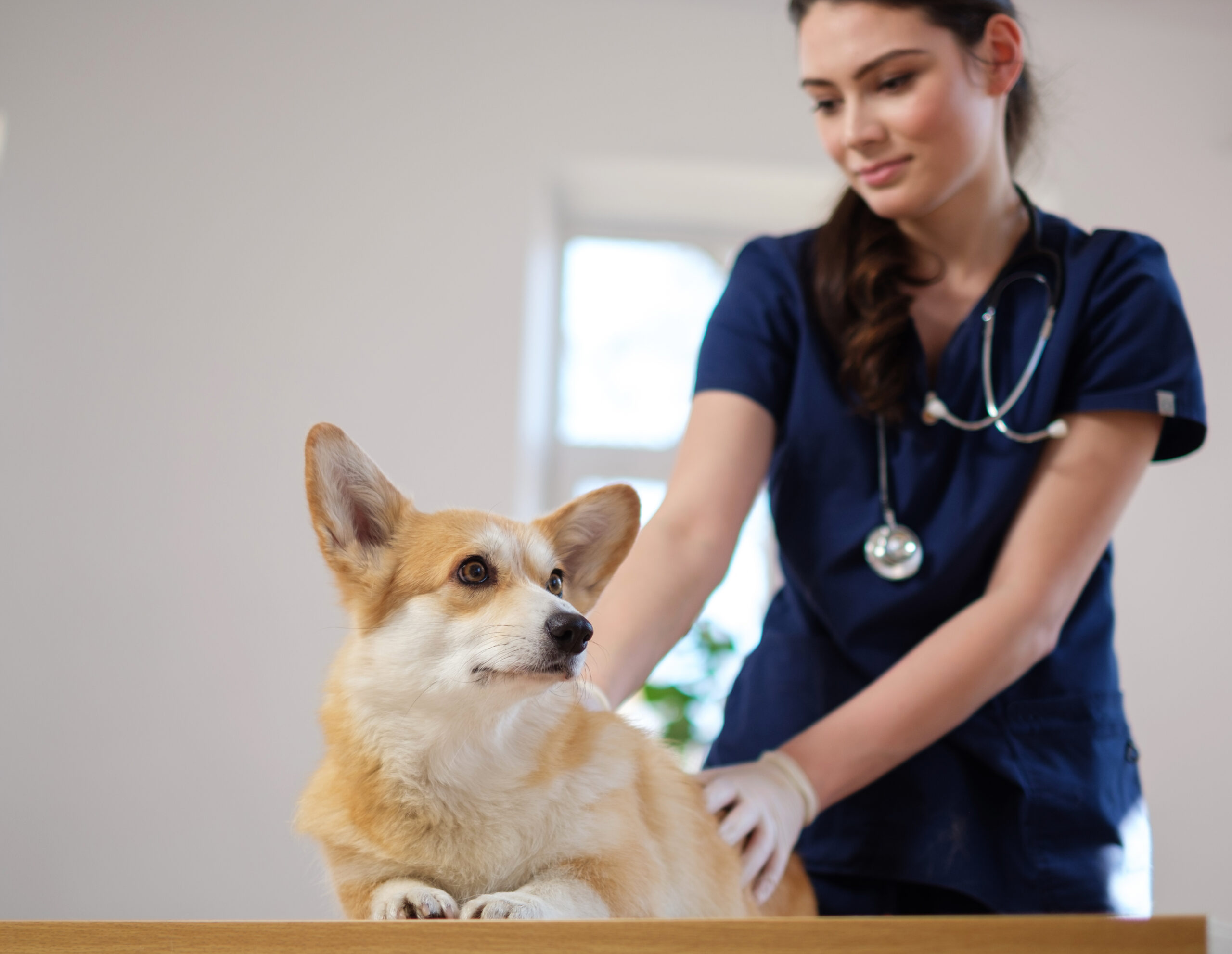
Preventive care is the bedrock of your pet’s health. Regular check-ups are key to catching potential issues early. Start by scheduling a mid-year health check with your vet. This ensures your pet’s vaccinations are up-to-date and any health concerns are addressed promptly. For more detailed guidance, check out this monthly pet health checklist.
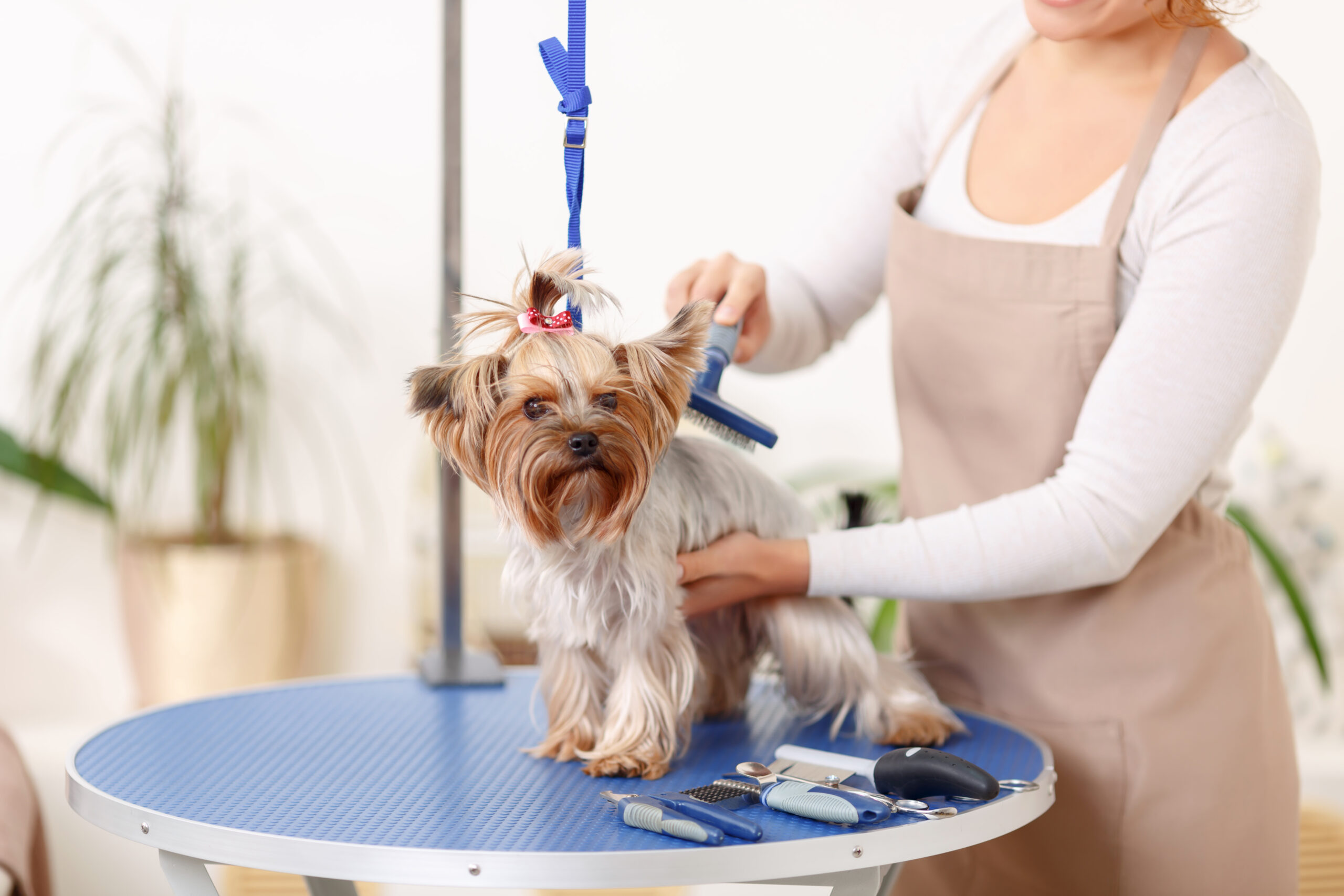
Your checklist should also include a review of your pet’s diet. Assess if their current food meets all their nutritional needs. If unsure, consult with a professional. Regular grooming is another preventive step. This not only keeps your pet clean but also allows you to check for unusual lumps or bumps.
Holistic Pet Care Tips
Holistic care considers the whole pet, not just individual symptoms. Start by ensuring your pet has a balanced lifestyle. Fresh air, regular exercise, and mental stimulation are just as important as a nutritious diet. Incorporate activities that challenge your pet mentally, like puzzle feeders or interactive toys.
Don’t overlook the power of touch. Regular pet massages can ease tension and strengthen your bond. If you’re interested in more holistic practices, explore courses that delve into natural pet care remedies. This approach not only nurtures their body but also their mind and spirit, leading to a happier pet.
Confidence-Building Tactics
Knowing you’re doing everything possible to care for your pet builds confidence. Keep a journal to track your pet’s health milestones and any changes you notice. This helps you stay informed and proactive. Engage in communities that share pet wellness tips and experiences. Sharing and learning from others can reinforce your confidence in pet care.
Attending workshops or courses on pet wellness can also enhance your knowledge and skills. Institutions like the Animal Wellness Academy provide valuable resources and certifications, empowering you with the expertise needed to care for your pet. By staying educated, you not only gain confidence but also ensure your pet leads a healthy, happy life.
Core Wellness Elements

Understanding key wellness elements is essential in maintaining your pet’s health. These components form the foundation of a comprehensive pet care plan.
Annual Health Checks
Regular veterinary visits are essential for maintaining your pet’s health. During these visits, your vet will perform thorough exams, checking everything from your pet’s weight to their dental health. These check-ups help catch potential issues early before they become more serious.
Annual checks also include vaccinations, which are crucial for preventing diseases. Discuss with your vet about the necessary vaccines for your pet based on their age, health, and lifestyle. Keeping up with vaccinations ensures your pet is protected against common illnesses.
Nutrition and Body Score
Your pet’s diet plays a vital role in their overall health. A balanced diet tailored to their specific needs supports growth, energy, and long-term health. Use a body condition score chart to assess your pet’s weight. This helps determine if they’re at an ideal weight or if adjustments are needed.
Regularly review your pet’s diet with your vet, especially as they age or if their activity level changes. Nutritional needs can vary, so it’s important to ensure your pet’s diet remains appropriate for their life stage and health status.
Parasite and Vaccination Review
Parasites can pose significant health risks to pets, making prevention vital. Regularly administer preventatives for fleas, ticks, and worms, as recommended by your vet. These measures protect your pet and your home from infestations.
Revisit your pet’s vaccination schedule during your mid-year review. Discuss any new vaccines or boosters that might be necessary based on changes in your pet’s lifestyle or environment. Staying on top of vaccinations is key to protecting your pet from preventable diseases.
Advanced Care Practices

Advanced care involves practices that go beyond the basics to enhance your pet’s well-being. These practices address specific needs that can emerge at different stages of your pet’s life.
Enrichment and Behavior
Enrichment activities are crucial for your pet’s mental and physical well-being. These activities prevent boredom and destructive behaviors, keeping your pet engaged and content. Introduce new toys, puzzles, or training sessions to stimulate your pet’s mind.
If behavior issues arise, consult a professional for tailored advice. Understanding your pet’s behavior helps in creating a harmonious environment at home. By addressing their needs, you foster a happier and more balanced pet.
Senior and Youthful Pet Needs
Pets have different needs at different life stages. Senior pets require special attention to manage health issues like arthritis or decreased mobility. Regular check-ups become even more important to monitor age-related changes.
For puppies and kittens, early socialization and training are key. Establishing a routine helps them adapt to their new environment. Ensuring they receive all necessary vaccinations and proper nutrition sets a solid foundation for a healthy life.
Emergency Preparedness Essentials 🐾
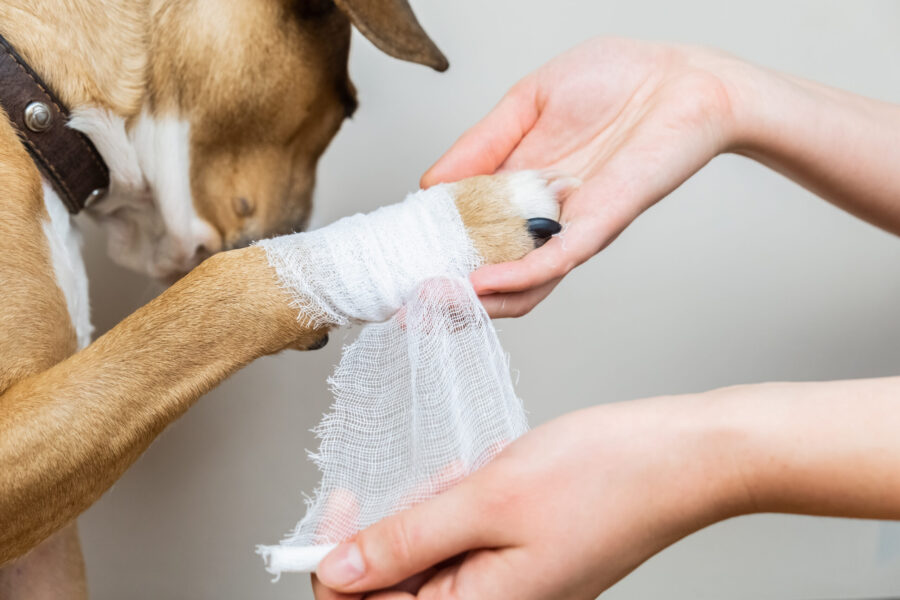
Being prepared for emergencies is a critical aspect of pet care. Assemble a pet first aid kit with essentials like bandages, antiseptic wipes, and any medications your pet may need. Keep your vet’s contact information handy for quick access in case of an emergency.
Consider enrolling in a pet first aid course to learn how to handle common emergencies. Knowing how to react in a crisis can make a significant difference. Having a clear emergency plan gives you peace of mind and ensures your pet receives timely care when needed.
Frequently Asked Questions
How often should I update my pet’s wellness checklist?
Review your pet’s wellness checklist at least twice a year. This helps ensure you’re on track with preventive care and can address any new health concerns promptly.
What should I include in a pet first aid kit?
A pet first aid kit should include bandages, antiseptic wipes, a digital thermometer, and any medications your pet requires. It’s also helpful to have your vet’s contact information readily available.
Why is regular grooming important for pets?
Regular grooming helps maintain your pet’s coat and skin health. It also allows you to check for ticks, fleas, or any unusual lumps, ensuring early detection of potential issues.
How can I improve my pet’s nutrition?
Start by assessing their current diet with your vet and consider their specific needs based on age and activity level. Adjust portions and choose high-quality pet food that meets all their nutritional requirements.
What enrichment activities are best for pets?
Engage your pet with interactive toys, puzzle feeders, and training sessions. These activities keep them mentally stimulated and help prevent boredom and destructive behaviors.