
The veterinary field is experiencing an exciting technological revolution that’s transforming how we care for our animal patients. As we move through 2026, staying informed about these innovations is essential for providing the best possible care. Here are some key technologies that veterinary professionals should have on their radar.
1. Artificial Intelligence and Diagnostic Tools
AI-powered diagnostic systems are becoming increasingly sophisticated. These tools can analyze radiographs, ultrasounds, and CT scans with remarkable accuracy, helping veterinarians detect subtle abnormalities that might be missed by the human eye. Machine learning algorithms are also being used to predict disease patterns and treatment outcomes, allowing for more personalized medicine approaches. While AI won’t replace veterinary judgment, it serves as a valuable second opinion that can enhance diagnostic confidence.
New pain assessment technologies, including AI-driven facial recognition systems and motion analysis software, help veterinarians better evaluate and manage animal pain. These objective measurement tools complement traditional pain scales, ensuring our patients receive appropriate comfort care.
2. Portable Diagnostic Equipment
Compact, portable diagnostic devices are making advanced testing more accessible. Point-of-care ultrasound machines, handheld blood analyzers, and mobile digital radiography systems allow veterinarians to perform sophisticated diagnostics during house calls or in remote locations. This mobility is particularly valuable for large animal practitioners and emergency services.
3. Telemedicine Platforms
Virtual consultations have become standard practice in veterinary medicine. Advanced telemedicine platforms now offer high-quality video capabilities, integrated medical records, and remote monitoring tools. These technologies make follow-up appointments more convenient for clients and allow veterinarians to triage cases more efficiently. They’re particularly valuable for managing chronic conditions and providing guidance for minor concerns.
4. 3D Printing Applications
Three-dimensional printing technology is revolutionizing surgical planning and prosthetics. Veterinarians can now create custom implants, surgical guides, and even practice complex procedures on 3D-printed models before surgery. This technology is especially beneficial for orthopedic cases and reconstructive surgeries, improving surgical outcomes and reducing operation times.
5. Wearable Health Monitors
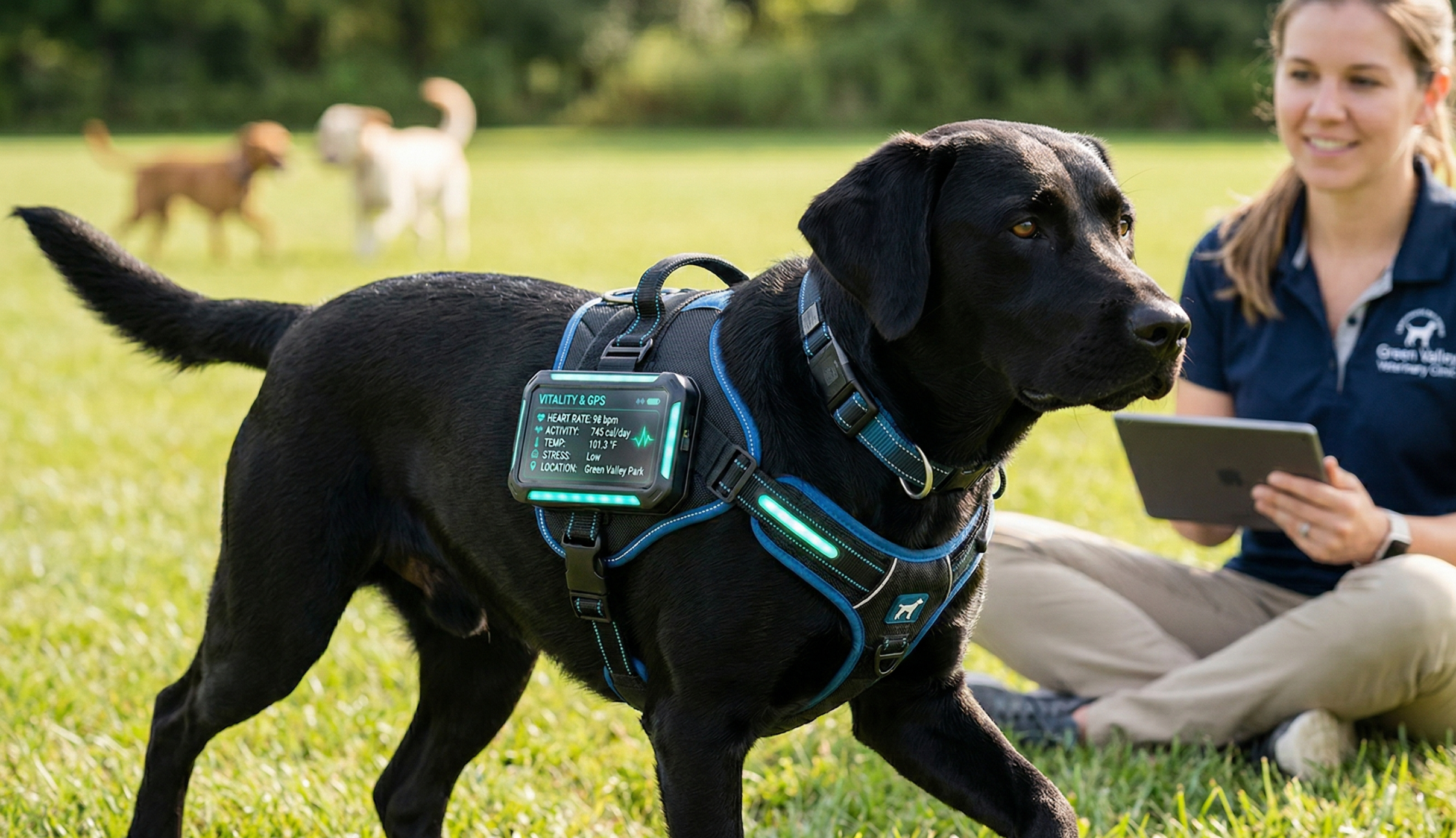
Pet wearables have evolved beyond simple activity trackers. Modern devices can monitor heart rate, respiratory patterns, sleep quality, and even early warning signs of various conditions. These continuous monitoring systems provide veterinarians with valuable data between appointments, enabling proactive rather than reactive care.
6. Advanced Imaging Technologies
New imaging modalities are becoming more accessible to general practices. Portable ultrasound devices, digital radiography systems, and even compact MRI units designed specifically for veterinary use are becoming more affordable. These tools allow for faster diagnoses and better treatment planning without always requiring specialist referrals.
7. Practice Management Software
Cloud-based practice management systems are streamlining administrative tasks, inventory management, and client communication. These platforms often include automated appointment reminders, online booking capabilities, and integrated payment processing, improving both efficiency and client satisfaction.
As veterinary professionals, embracing these technologies can enhance our diagnostic capabilities, improve patient outcomes, and make practice operations more efficient. However, technology should always complement, not replace, the clinical skills and compassionate care that define our profession. Staying current with these innovations ensures we continue providing the highest standard of veterinary care.