As a veterinarian, one of the most common questions I hear from cat parents is: “What’s the best food I can feed my cat?” With the pet food market flooded with options, choosing between wet, dry, organic, grain-free, and natural formulas can feel overwhelming. Yet, what we feed our cats plays a crucial role in their long-term health.
According to the Association for Pet Obesity Prevention, over 60% of cats in the U.S. are overweight or obese (APOP). Obesity increases the risk of diabetes, arthritis, and urinary tract disease. At the same time, nutrient deficiencies or poor-quality diets can lead to skin issues, digestive upset, and decreased immunity. Choosing a diet that is high in quality protein, rich in moisture, and free from unnecessary fillers is one of the best investments you can make in your cat’s health.
In this article, we’ll break down the difference between wet and dry foods, what makes food “organic” or “healthy,” and which brands are worth considering. We’ll also cover homemade diets, label reading, and FAQs so you feel confident in making the right choice for your feline companion.
Why “Healthy” and “Organic” Matter for Cats
Cats are obligate carnivores
Unlike dogs, who are omnivores, cats require a meat-based diet. Their bodies are not designed to thrive on carbohydrates like corn, wheat, or rice. Instead, they depend on protein and fat as their main energy sources. This is why high-protein, low-carb foods are recommended for cats of all ages.
The role of hydration
Many cats naturally drink less water than they need. In the wild, cats get most of their hydration from prey, which is about 70–80% water. Dry kibble, on the other hand, only contains about 6–10% moisture. Chronic dehydration is linked to urinary crystals and kidney disease, particularly in male cats. Feeding wet food helps prevent these issues.
Organic food benefits
Organic cat food uses ingredients grown without synthetic pesticides, fertilizers, antibiotics, or growth hormones. While organic certification doesn’t always guarantee superior nutrition, it does reduce exposure to chemicals and fillers. This matters for cats with sensitive stomachs, allergies, or skin conditions.
Wet Food vs. Dry Food: Which Is Better?
Wet Food
- Moisture-rich – supports urinary tract health.
- Protein-focused – usually higher in animal protein, closer to a cat’s natural prey diet.
- Palatable – many cats prefer wet food because of its smell and texture.
Downside: More expensive and needs refrigeration once opened.
Dry Food (Kibble)
- Convenient – easy to store and feed.
- Long shelf life – no refrigeration needed.
- Dental benefits – slightly reduces tartar buildup, though not enough to replace brushing.
Downside: Low moisture, often higher in carbs, and cats may overeat if kibble is free-fed.
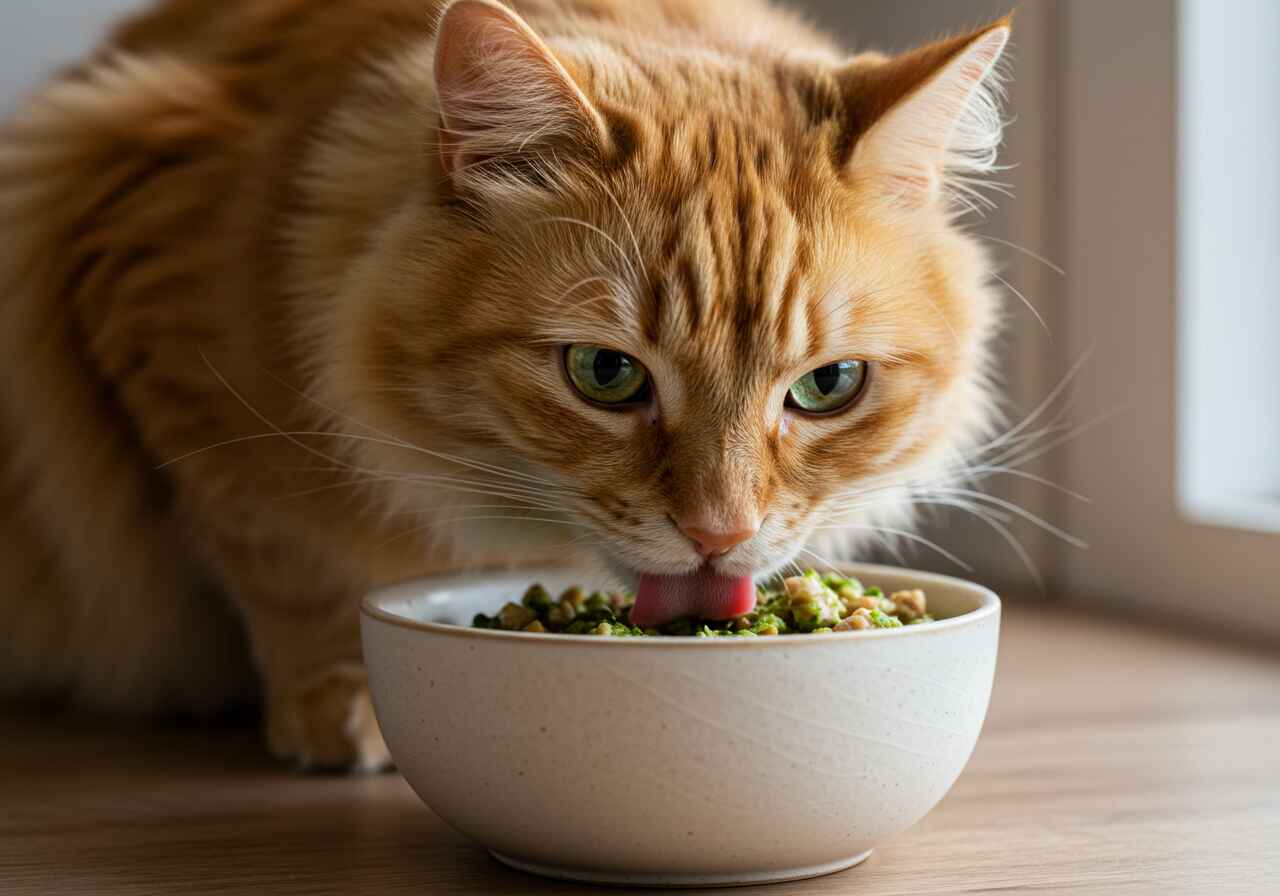
Vet’s advice: Wet food should form the foundation of your cat’s diet. Dry food can be offered in small amounts as a snack, enrichment (puzzle feeders), or backup food.
Best Healthy Wet Cat Foods
1. Tiki Cat After Dark
- Made with real poultry and organ meats.
- High in protein and free from grains and fillers.
- Mimics a natural carnivore diet.
Best for cats prone to urinary issues or picky eaters who need variety.
2. Weruva Cats in the Kitchen
- Human-grade ingredients with multiple protein sources.
- High moisture content.
- No artificial preservatives.
Good choice for multi-cat households because of its flavor variety.
3. Open Farm Rustic Blend
- Organic and sustainably sourced ingredients.
- Bone broth base adds nutrients and hydration.
- Transparent sourcing with farm-to-bowl tracking.
Perfect for cat parents who care about sustainability and transparency.
4. Fancy Feast Classic Pate (Budget-Friendly)
- Affordable yet reasonably high in protein.
- Widely available in grocery stores.
- Avoids many artificial fillers (stick to pate version).
Best budget-conscious option for feeding multiple cats.
Best Organic & Natural Dry Cat Foods
1. Orijen Cat & Kitten
- 85% animal ingredients.
- Grain-free and biologically appropriate.
- Fresh regional sourcing.
A premium dry food for kittens and adults.
2. Farmina N&D Ancestral Grain
- Uses spelt and oats instead of corn or wheat.
- High protein with antioxidants.
- Gentle on sensitive stomachs.
A balanced option if you prefer limited grains.
3. Dr. Elsey’s CleanProtein
- High-protein, low-carb formula.
- Inspired by natural feline diets.
- Helps with weight control.
Excellent for overweight or diabetic cats.
4. Solid Gold Indigo Moon
- Gluten-free with added superfoods.
- Contains omega fatty acids for skin/coat health.
- Mid-range affordability.
A solid middle-ground choice for everyday feeding.
Homemade & Fresh Food Options
Many cat parents wonder: “Can I just cook chicken and rice for my cat?” While it sounds wholesome, cats require nutrients like:
- Taurine (for heart and eye health).
- Arachidonic acid (a fatty acid found only in animal tissues).
- Vitamin A (must come from animal sources, not plants).
These are hard to balance without supplements. Homemade diets can work but should be designed with a veterinary nutritionist. Fresh food companies like Nom Nom or Smalls provide balanced recipes, which can be a safer option.
How to Read Cat Food Labels
When choosing food, focus on the first five ingredients. Look for:
- Named meat proteins (chicken, turkey, salmon).
- Whole food sources (not by-product meals).
- Natural preservatives (tocopherols, rosemary extract).
Avoid:
- Corn, wheat, soy fillers.
- Artificial colors and flavors.
- Excess carbs like potatoes or peas in bulk.
Also, check for the AAFCO statement, which ensures the food meets basic nutritional requirements.
Feeding Tips for Optimal Health
- Portion control: Most cats need 20–25 calories per pound of body weight daily (PetMD).
- Avoid free-feeding: Leaving kibble out all day increases obesity risk.
- Rotate proteins: Prevents boredom and ensures variety.
- Use enrichment: Puzzle feeders or treat balls make mealtime stimulating.
- Hydration hacks: Add water or broth (no onions/garlic) to wet food for extra moisture.
Supplements That Support Cat Health
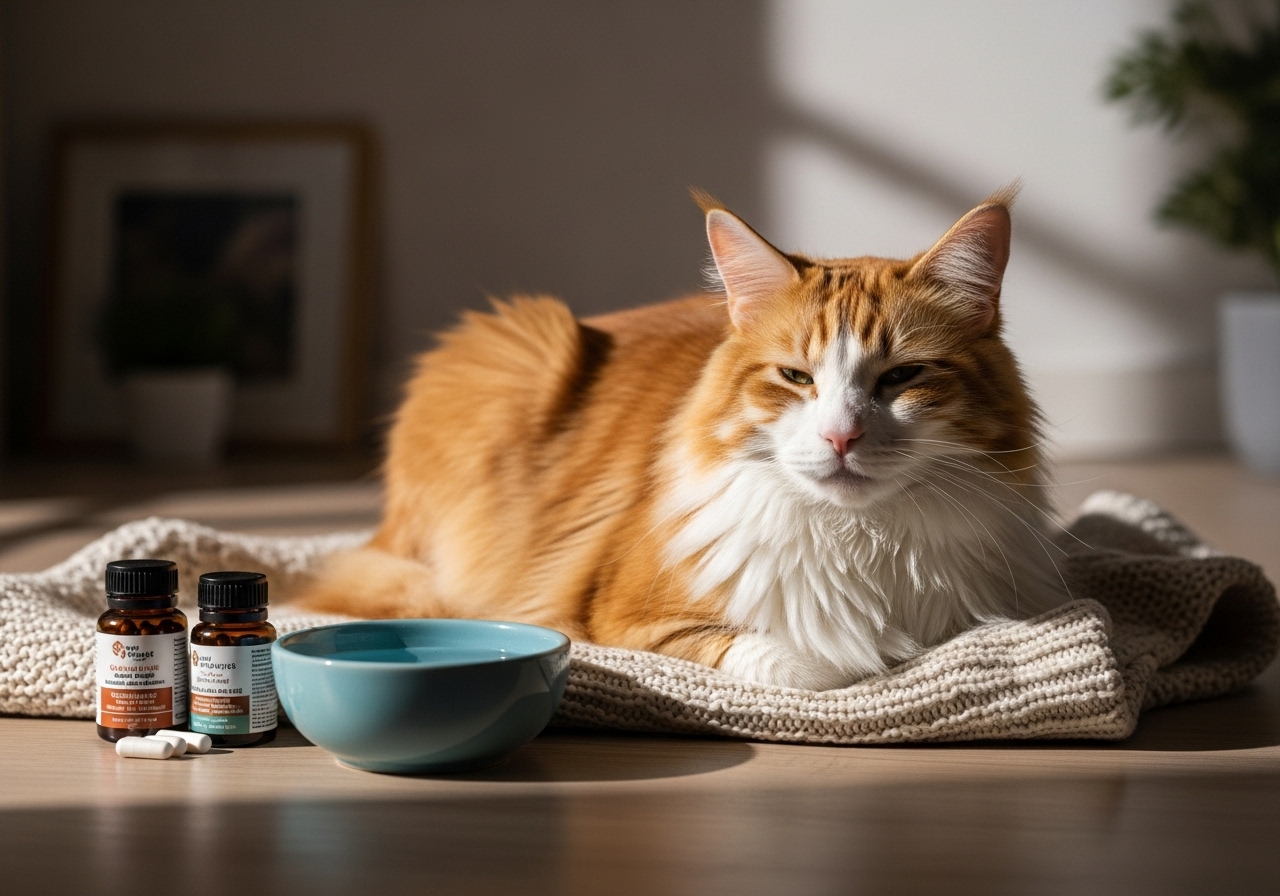
Some cats benefit from added supplements, especially as they age:
- Omega-3 fatty acids – reduce inflammation, support coat health.
- Probiotics – aid digestion and improve immunity.
- Glucosamine/chondroitin – joint support in senior cats.
Always consult your veterinarian before adding supplements.
FAQs:
Is wet food healthier than dry food for cats?
Yes. Wet food provides hydration and closely mimics a natural diet. Dry food is fine in moderation but should not be the main diet.
Can I feed my cat only homemade food?
Not without supplements. Cats need nutrients like taurine, which aren’t present in plain chicken and rice. Always consult a vet for balanced recipes.
What is the best organic wet food for cats?
Open Farm Rustic Blend and Tiki Cat After Dark are excellent organic-inspired options.
Should I choose grain-free cat food?
Grain-free isn’t always necessary unless your cat has allergies. What matters more is high protein and low carbs.
How much should I feed my cat daily?
An average 10 lb cat needs about 200 calories per day, split into 2–3 meals. Check labels for exact guidelines.
Are budget-friendly healthy cat foods available?
Yes. Fancy Feast Classic Pate and Kirkland Signature Pate are affordable but still balanced options.
Conclusion
Choosing the right food for your cat is about balance. Focus on high-quality protein, proper hydration, and minimal fillers. Wet food should make up the majority of your cat’s diet, with small amounts of high-quality dry kibble for variety and enrichment.
Top recommended brands include:
- Wet foods: Tiki Cat, Weruva, Open Farm, Fancy Feast (Pate).
- Dry foods: Orijen, Farmina N&D, Dr. Elsey’s CleanProtein, Solid Gold.
By making informed choices, you’re giving your cat the gift of a longer, healthier, and happier life. For more guidance, explore our online cat courses to deepen your knowledge and support your feline’s well-being.