Cats can become anxious for many reasons. Loud noises, unfamiliar people, changes in routine, or even boredom can cause stress. Anxiety in cats manifests in various ways. Your cat may hide, stop eating, scratch furniture, or refuse to use the litter box. While some cats require medical attention, many can be helped with simple changes at home.
This guide explains how to calm an anxious cat using natural, safe methods. These steps do not involve medication. They focus on creating a peaceful, stable environment where your cat feels safe and relaxed.
What Causes Cat Anxiety?
Understanding what causes anxiety is the first step in fixing it. Cats can become anxious when something in their environment changes or when they feel unsafe. Below are the most common causes:
- Loud sounds like fireworks, vacuum cleaners, or thunder
- New pets or people in the home
- Changes in routine, such as feeding time or litter box cleaning
- Lack of stimulation or long periods of being alone
- Moving to a new home or changing furniture layout
Once you know the cause, you can take steps to reduce the problem.
Signs Your Cat May Be Anxious
Cats do not always show stress in obvious ways. Watch for small changes in behavior. These are common signs of cat anxiety:
- Hiding more than usual
- Refusing food
- Avoiding the litter box
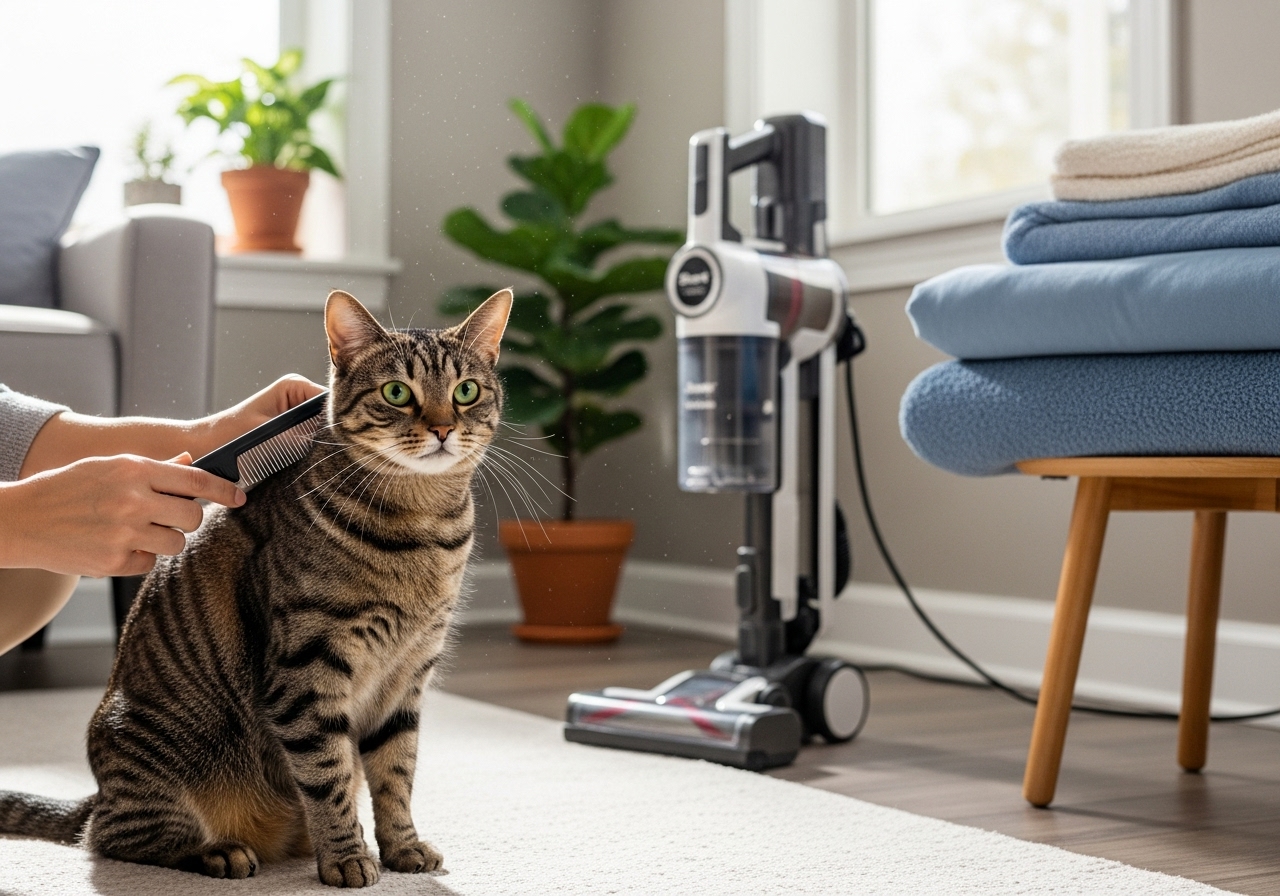
- Excessive grooming
- Aggression or fear when touched
- Dilated pupils or flattened ears
If you notice any of these behaviors, your cat might be feeling anxious.
How to Calm an Anxious Cat Without Medication
These techniques can help reduce stress and create a calming environment at home. All are safe and do not involve medication.
Create a Quiet, Safe Space
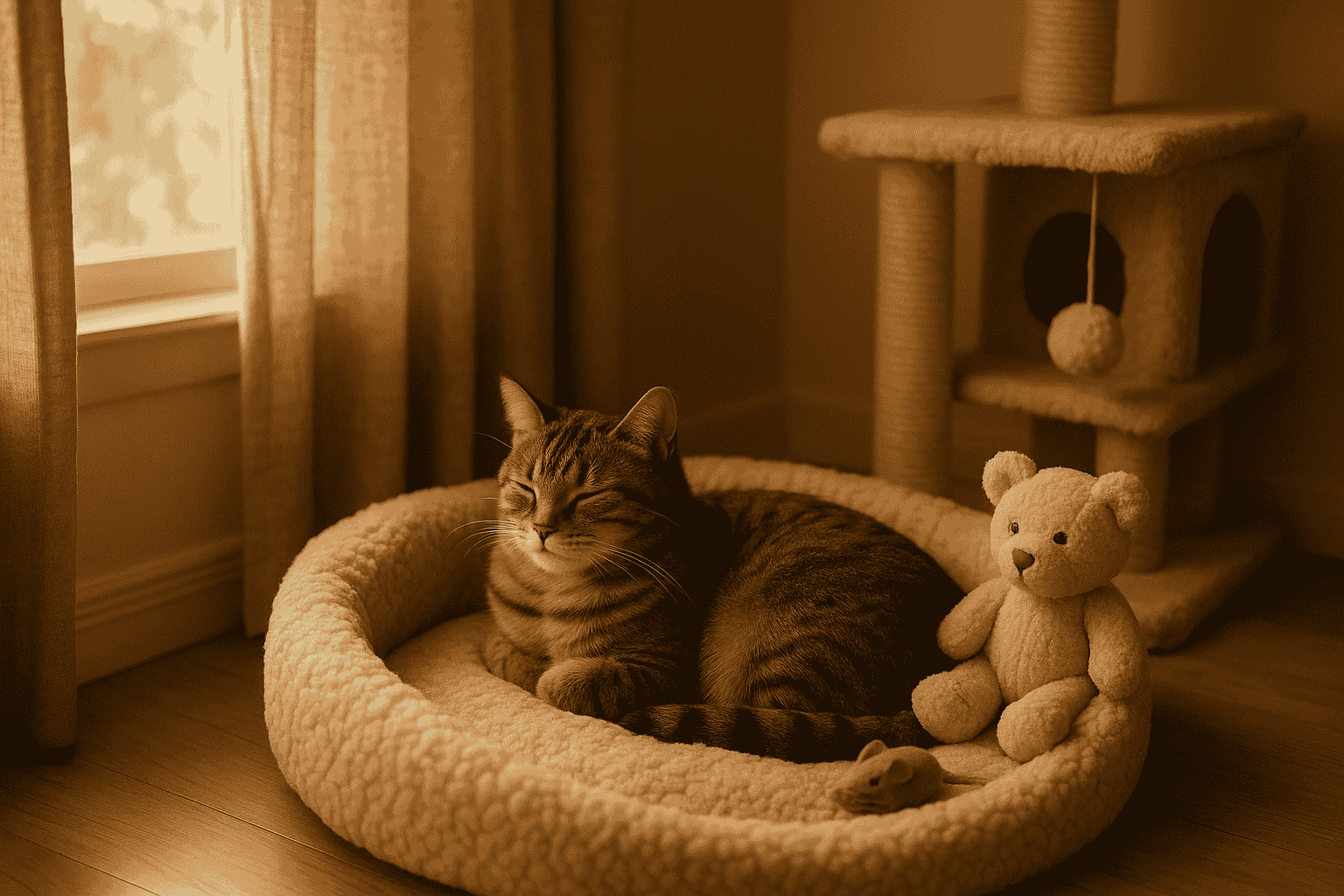
Select one room in your home where your cat can unwind and relax. Make it quiet. Put soft bedding, food, water, and a litter box inside. Keep this area clean and free of loud noises. Avoid using this room for visitors or children.
Let your cat spend time there whenever they want. A safe space helps them feel in control and secure.
Stick to a Routine
Cats prefer routine. Feed your cat at the same time each day. Play with them regularly. Clean the litter box regularly. Keep bedtime and wake-up times steady.
When a cat knows what to expect, it reduces stress. Sudden changes can confuse and worry them.
Offer Plenty of Hiding Spots
Cats hide when they feel scared. Provide them with choices such as covered beds, cardboard boxes, or spaces under the bed or couch. Avoid pulling them out or blocking these areas.
Hiding is a natural way for cats to feel safe. Over time, they will come out when they feel calm.
Use Calming Scents
Cat pheromone products can help reduce anxiety. These products are available in various forms, including sprays, plug-in diffusers, and wipes. They mimic the natural scent that cats produce when they feel safe.
Avoid using strong household cleaners, air fresheners, or scented candles near your cat. These smells can make anxiety worse.
Engage Your Cat in Play
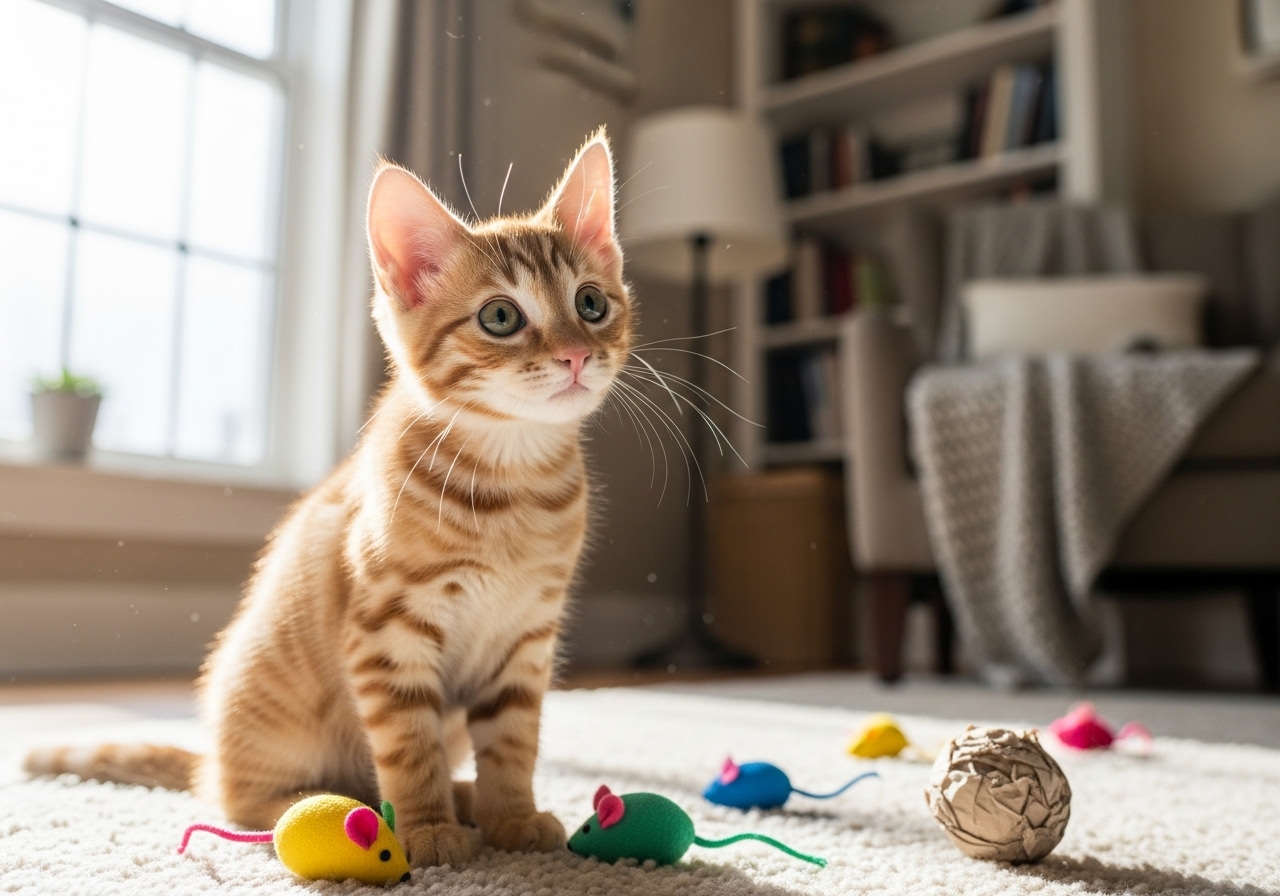
Play is a simple way to reduce stress and build trust. Use toys like string wands, soft balls, or laser pointers. Keep play sessions short—around 10 to 15 minutes, and do them daily.
Select quiet toys that do not produce loud sounds or flashing lights. Play helps your cat release energy healthily.
Speak Softly and Move Slowly
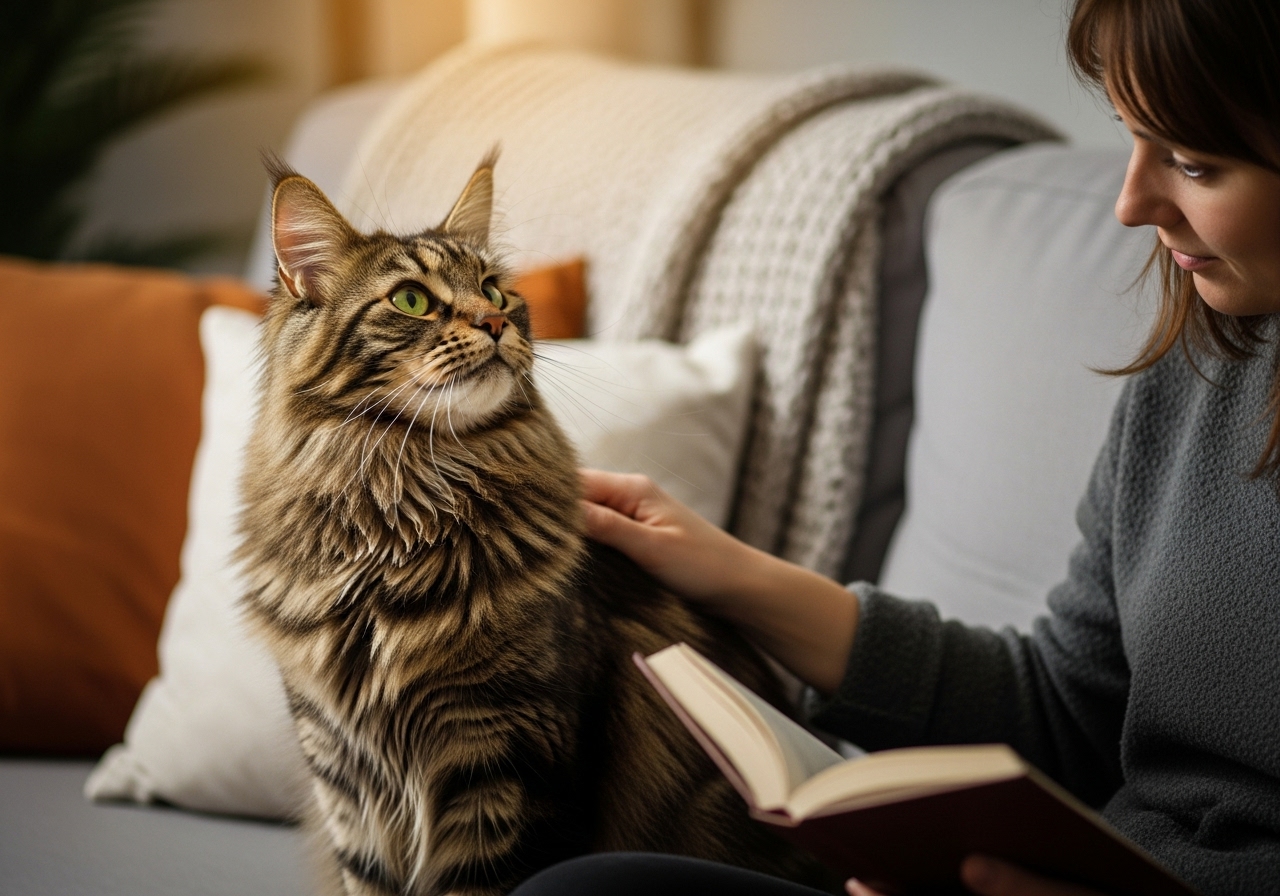
Fast movements and loud voices can make cats more nervous. Use a soft voice. Move calmly when near your cat. Sit on the floor instead of standing, so you seem less threatening.
Let your cat come to you. Do not force contact or pick them up unless they want it.
Give Them Vertical Spaces
Cats feel safer when they can observe from a vantage point above. Provide shelves, cat trees, or window perches. These high spots help them feel in control of their surroundings.
Place these areas near windows or in corners where your cat can rest without being disturbed.
Reduce Environmental Changes
Keep your cat’s environment stable. Do not move their food bowls, litter box, or sleeping spots without a reason. Avoid loud music or sudden visitors.
If you must make changes, do it slowly. Give your cat time to adjust.
Introduce New Things Slowly
If you bring a new person, pet, or item into your home, let your cat explore it at their own pace. Use treats or play to build positive associations.
Do not rush introductions. Give your cat space and time to feel safe.
Avoid Overstimulation
Petting, noise, or too much attention can overwhelm a stressed cat. Respect their space. If they show signs like tail flicking, ears back, or walking away, give them a break.
Pay attention to what your cat enjoys. Some cats love cuddles. Others prefer quiet company.
When to See a Vet
If your cat’s anxiety continues or gets worse, visit your vet. Some cats may require medical attention or a referral to a behavioral specialist. Health issues like pain or illness can also cause anxiety-like symptoms.
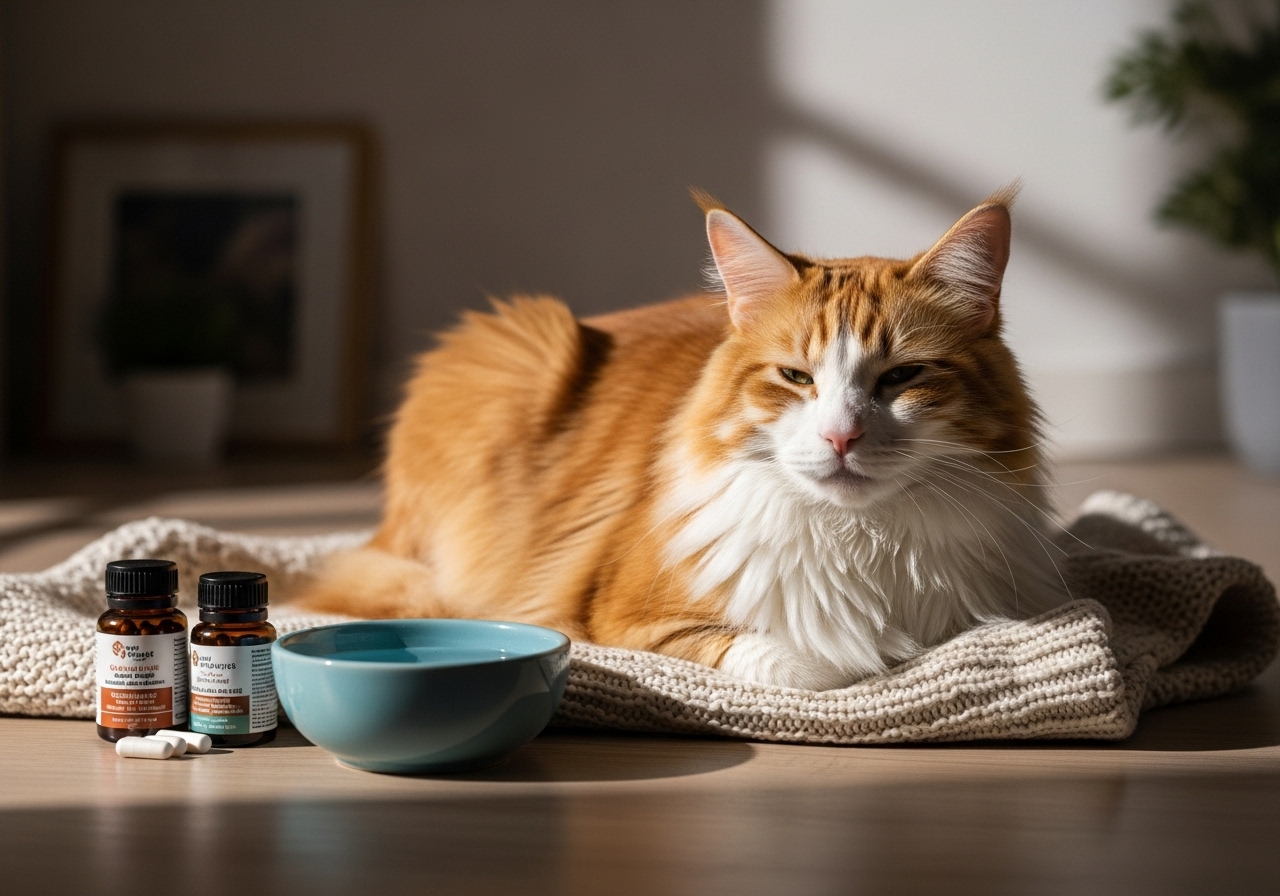
Never give your cat human medication or any product not specifically made for cats without consulting a veterinarian.
To learn more about gentle cat care, behavior, and stress relief, visit Animal Wellness Academy. Our easy-to-follow resources help cat owners reduce stress, build trust, and enhance their pets’ quality of life, without the need for medication or confusion.
Frequently Asked Questions:
How long does it take to calm an anxious cat?
It depends on the cat. Some relax in a few days, while others may need several weeks. Consistency and patience are key.
Can I leave calming pheromone diffusers on continuously?
Yes. Most are safe for 24-hour use. They work best when used continuously in areas where your cat spends the most time.
Should I comfort my cat when it’s scared?
Let your cat decide. Do not force attention. Stay nearby, speak softly, and let them come to you.
Do calming sprays work for cats?
Many cats respond well to calming sprays and diffusers. Results vary, but they are worth trying if your cat shows signs of anxiety.
Is hiding normal for a stressed cat?
Yes. Hiding is a typical response to fear or stress. Provide your cat with safe places to hide and wait for them to emerge when they’re ready.
Final Thoughts
You can calm an anxious cat at home using simple, natural methods. Provide a quiet space, maintain steady routines, and offer play and comfort. Avoid loud sounds, forced contact, or sudden changes in environment. These small steps help your cat feel safe and reduce anxiety over time.
Patience is important. Some cats take days to adjust. Others need weeks. Stay calm and give your cat the time it needs.