
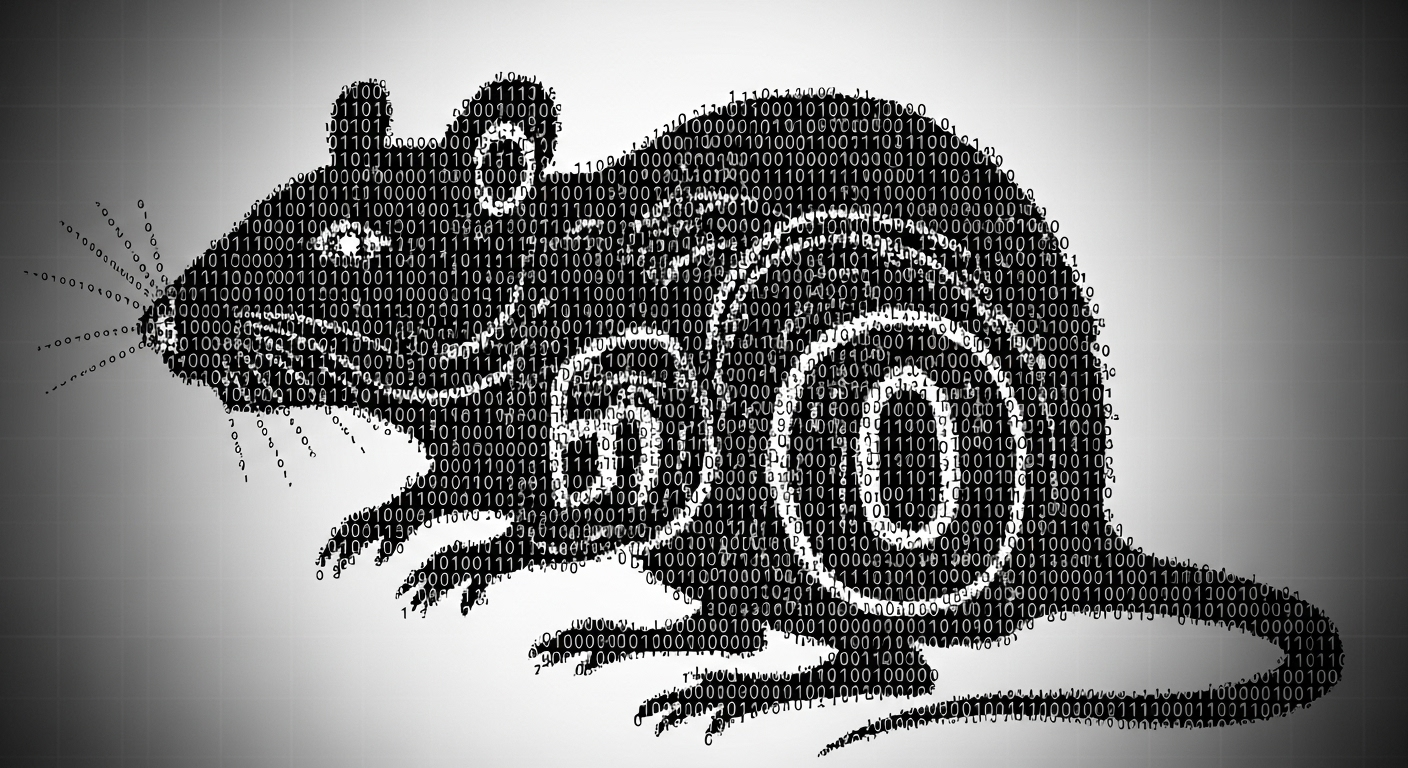
Research communities are increasingly exploring whether artificial intelligence and computer simulations can reduce or eliminate our reliance on laboratory animals. This question represents one of the most significant ethical and scientific challenges in modern research.
Current State of AI-Based Alternatives
Several promising developments have emerged in recent years. Computer models now simulate drug metabolism, toxicity testing, and disease progression with remarkable accuracy. Organ-on-chip technology combines with AI to create virtual representations of human and animal organs. These systems can predict how medications might affect different species without using live subjects.
Machine learning algorithms analyze vast databases of existing animal research data. By studying patterns from thousands of previous experiments, AI can predict outcomes for new compounds. This approach has shown success in pharmaceutical development, where computer models help identify promising drug candidates before any animal testing begins.
Progress in Specific Research Areas
Toxicology has seen the most advancement. The EPA and other regulatory agencies now accept certain computer-based toxicity predictions instead of requiring animal tests. Skin irritation studies, eye damage assessments, and some cancer screenings can be performed using validated computer models.
Cardiovascular research benefits from sophisticated heart simulation software. These programs model blood flow, heart rhythm disorders, and drug effects on cardiac function. While not perfect replacements, they significantly reduce the number of animals needed for initial research phases.
Infectious disease modeling has also advanced rapidly. AI systems can simulate how pathogens spread, how immune systems respond, and how treatments might work across different populations.
Current Limitations
Despite progress, challenges remain. Complex biological interactions involving multiple organ systems are difficult to simulate accurately. Behavioral studies, surgical technique development, and long-term disease progression research still require living subjects.
Individual animal variations, genetic differences, and environmental factors are hard to replicate in computer models. The immune system’s complexity particularly challenges current AI capabilities.
The Path Forward
Rather than complete replacement, the future likely involves integrated approaches. AI and simulations can handle initial screening and basic research questions. This reduces the number of animals needed for later, more complex studies.
Regulatory agencies are gradually accepting computer-based evidence, but validation processes take time. Each AI model must prove its accuracy through extensive comparison with existing animal data.
While AI and data simulations show remarkable promise, completely eliminating laboratory animals remains unlikely in the near future. However, these technologies are already reducing animal use and improving research efficiency. Continued investment in AI development, combined with evolving regulatory acceptance, will likely further decrease our reliance on laboratory animals.
The goal should be thoughtful integration of these tools to minimize animal use while advancing medical knowledge for both human and animal health.