
As any kitty lover will tell you, a cat’s eyes can be mesmerizing. Large, bright, and expressive, they seem to tell a story with every glance. But just like humans, cats can develop eye problems. One of the most common is conjunctivitis (Pink Eye).
Conjunctivitis occurs when the thin membrane covering the white of the eye and inner eyelids becomes inflamed. This condition can cause redness, swelling, tearing, and discharge. While some cases are mild, untreated conjunctivitis can progress into a painful or chronic condition that affects your cat’s quality of life.
In this blog, we’ll cover conjunctivitis causes, symptoms, different types, diagnosis, and both veterinary and home-based treatments. We’ll also answer common questions like how long does conjunctivitis last, whether conjunctivitis is contagious, and what role conjunctivitis eye drops play in recovery.
What is Conjunctivitis (Pink Eye)?
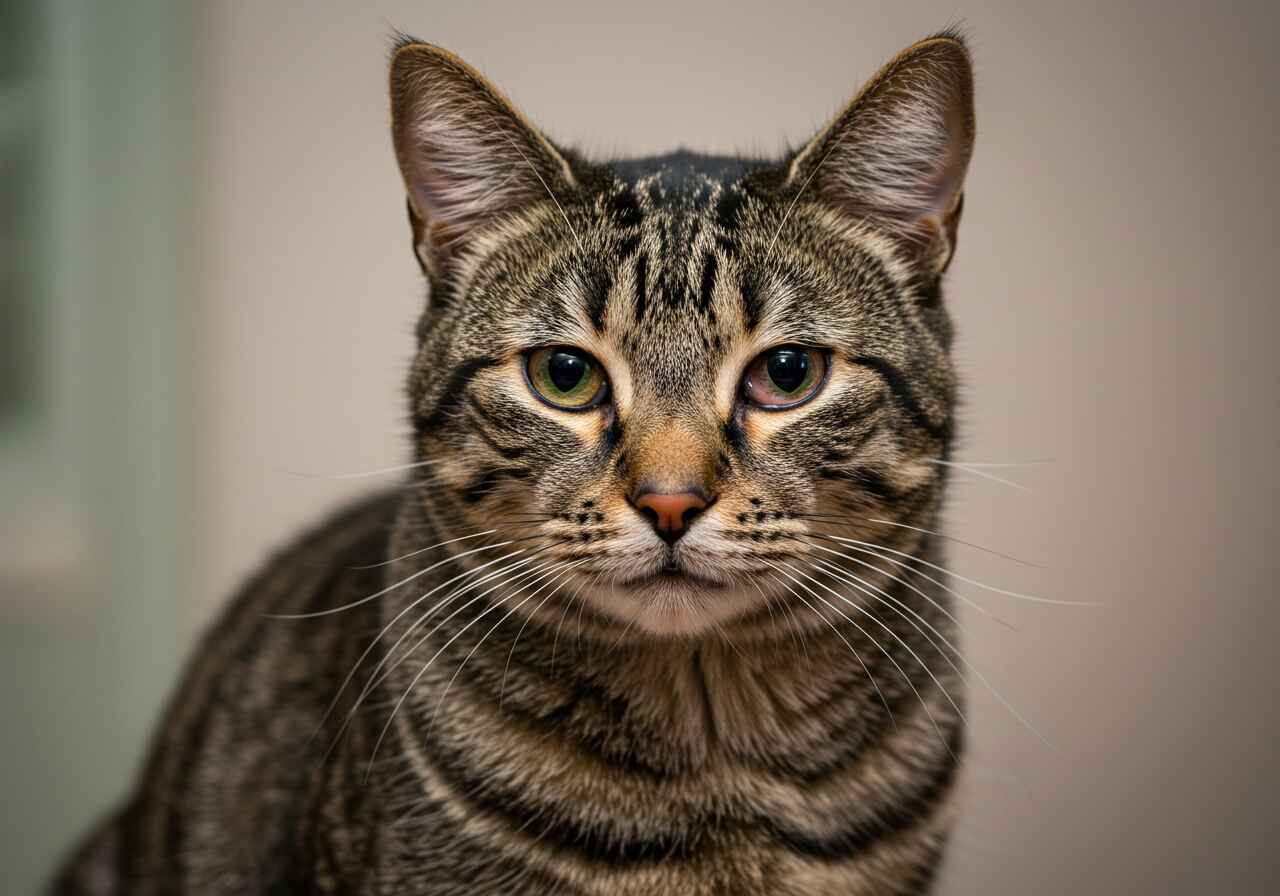
Conjunctivitis (Pink Eye) is inflammation of the conjunctiva, the delicate tissue lining the eyelids and covering the sclera (the white part of the eye). In cats, it often signals an infection, though it can also result from allergies or irritants.
Unlike dogs, where conjunctivitis can sometimes be allergic, in cats the condition is usually linked to infectious causes. This makes it especially important to identify whether your cat has bacterial conjunctivitis or viral conjunctivitis, since treatments differ.
Causes of Conjunctivitis
There are many potential conjunctivitis causes in cats. Some are infectious, others environmental or genetic.
- Feline herpesvirus-1 (FHV-1): The most common cause. It can become chronic and flare up during times of stress. FHV-1 replicates in the upper respiratory tract and the conjunctiva. Left untreated, secondary bacteria can make the discharge thick and green.
- Chlamydia: Leads to bacterial conjunctivitis without respiratory signs. Usually affects one eye and causes redness, swelling, and discharge. It can spread between cats and even to humans with weakened immune systems, making conjunctivitis contagious in these cases.
- Mycoplasma: Causes tearing, swollen eyelids, and thick secretions. Responds well to antibiotics.
- Bordetella bronchiseptica and Calicivirus: Less common viral causes.
- Allergies or irritants: Dust, litter, smoke, or chemicals can inflame the eyes.
- Injury or trauma: Scratches, foreign bodies, or fights may trigger conjunctivitis.
Symptoms of Conjunctivitis
Cats with conjunctivitis may show a range of signs, including:
- Redness or swelling of the eye
- Watery or thick discharge (clear, yellow, or green)
- Squinting or keeping the eye shut
- Pawing at the eye or rubbing face against objects
- Excessive blinking or light sensitivity
- Visible follicles on the conjunctiva in chronic cases
If your cat has any of these symptoms, especially with thick discharge or pain, a vet exam is necessary.
Bacterial vs Viral Conjunctivitis
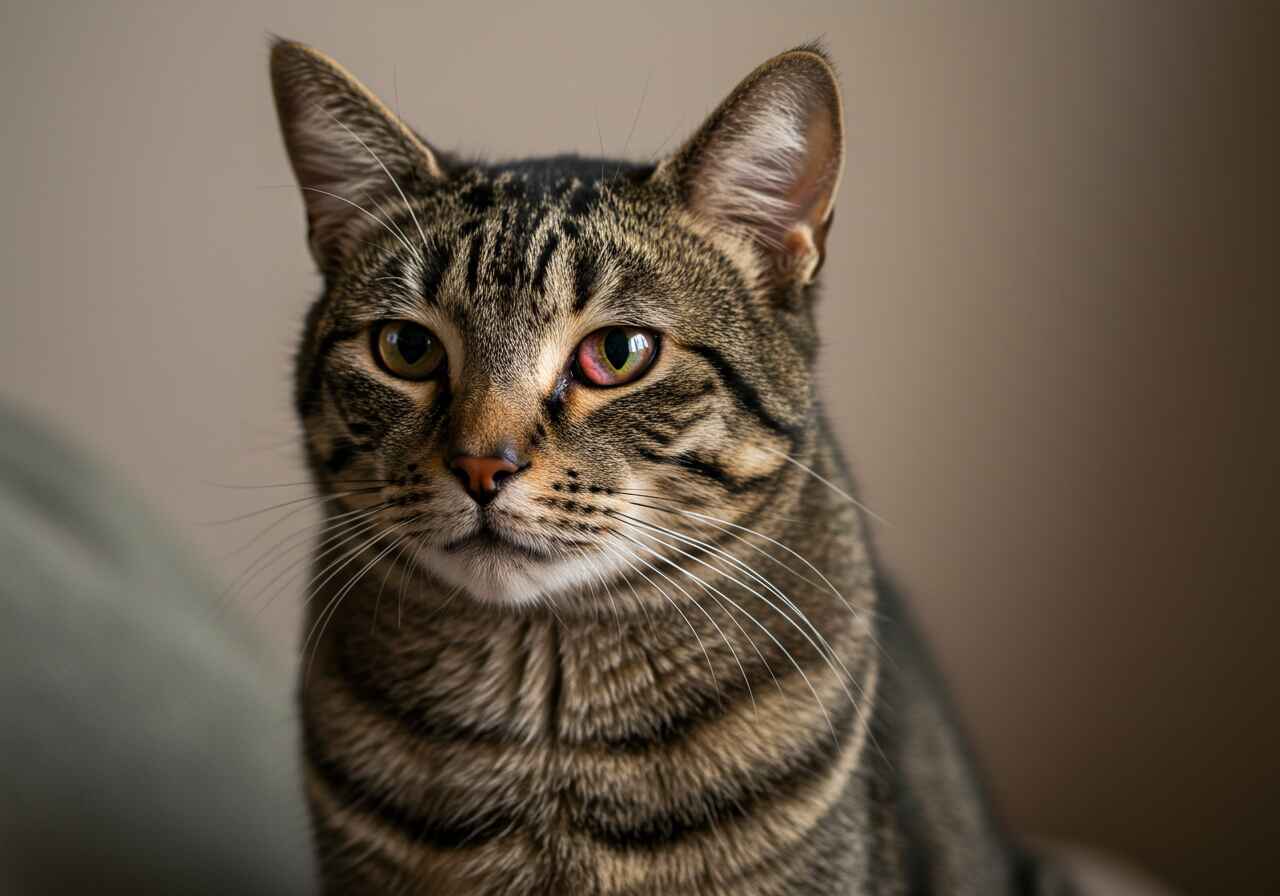
Understanding the difference between bacterial conjunctivitis and viral conjunctivitis helps guide treatment.
Viral Conjunctivitis
- Usually caused by feline herpesvirus or calicivirus
- Often recurrent, especially during stress
- Discharge may start watery but become mucous-like with secondary infections
- May affect both eyes
- Supportive care + antivirals are main treatments
Bacterial Conjunctivitis
- Commonly caused by Chlamydia or Mycoplasma
- Often starts in one eye
- Thick, yellow-green discharge is typical
- Can spread between cats; sometimes zoonotic
- Treated with bacterial conjunctivitis treatment such as topical or oral antibiotics
Diagnosis of Conjunctivitis
A proper diagnosis ensures the right conjunctivitis treatment. A vet may perform:
- Physical exam of the eyes and eyelids
- Conjunctival scrapings to test for bacteria like Chlamydia
- Fluorescein dye test to check for corneal ulcers
- Culture tests for bacteria or viruses
- Review of household environment to rule out irritants
Conjunctivitis Treatment Options
Effective care depends on the cause.
- Viral conjunctivitis: Antiviral medication, immune support (like lysine), stress reduction, and lubricating drops.
- Bacterial conjunctivitis treatment: Antibiotic ointments or drops (tetracycline or erythromycin) for at least 2–3 weeks.
- Allergic cases: Anti-inflammatory drops, antihistamines, and removal of the allergen.
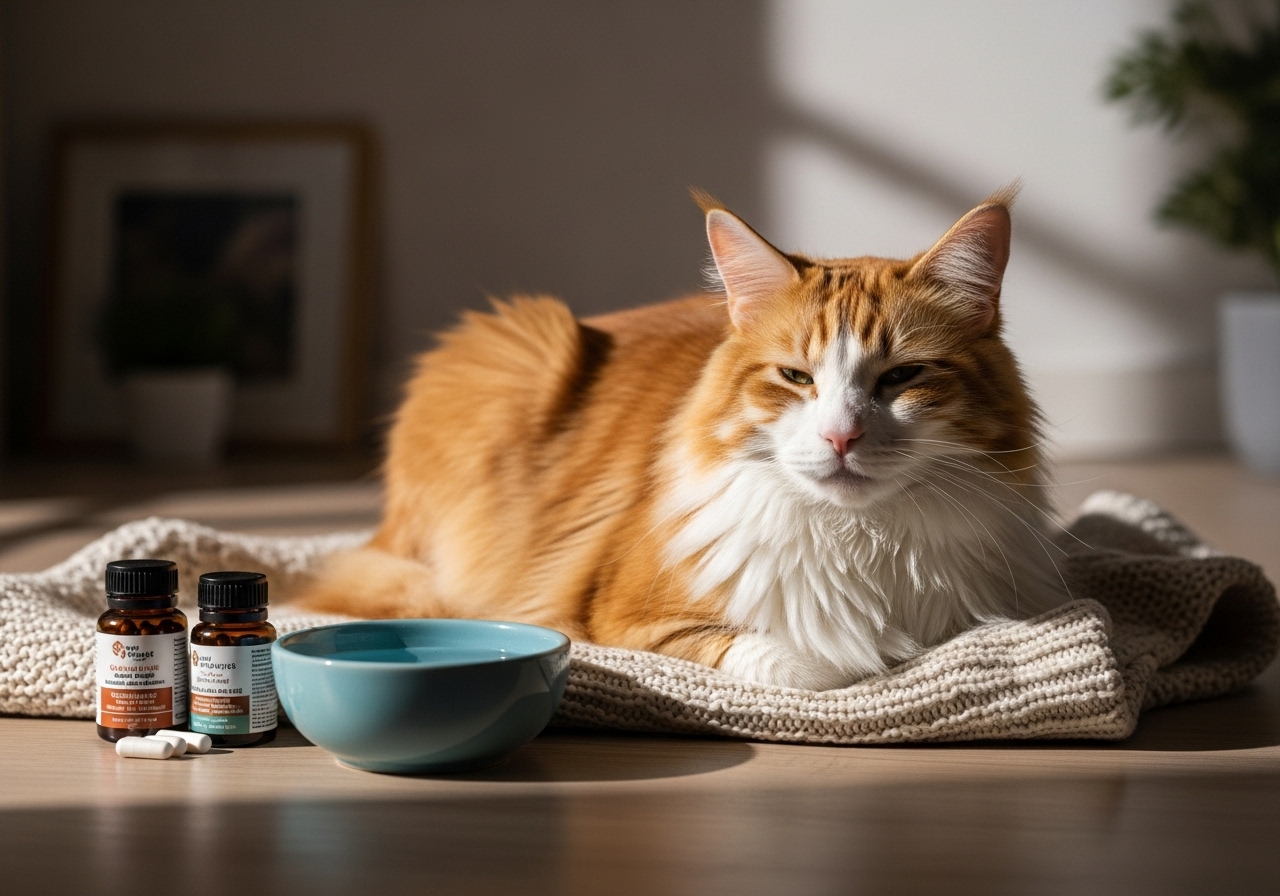
- Supportive care: Use of conjunctivitis eye drops (lubricants, not human antibiotic creams) to keep eyes moist.
Caution: Do not use over-the-counter human eye medications unless prescribed. Many contain ingredients toxic to cats.
When Conjunctivitis Becomes Chronic
In chronic cases, goblet cells in the conjunctiva atrophy, reducing tear production. The eye becomes dry, sticky, and vulnerable.
One complication is symblepharon, where the conjunctiva sticks to the cornea, blocking tear drainage or even vision. Around 50% of cases are linked to herpesvirus. While not always requiring surgery, symblepharon should be monitored.
Chronic conjunctivitis may need long-term management with antivirals, antibiotics, or lubricants.
Home Care for Cats with Conjunctivitis
While vet treatment is essential, home care helps recovery:
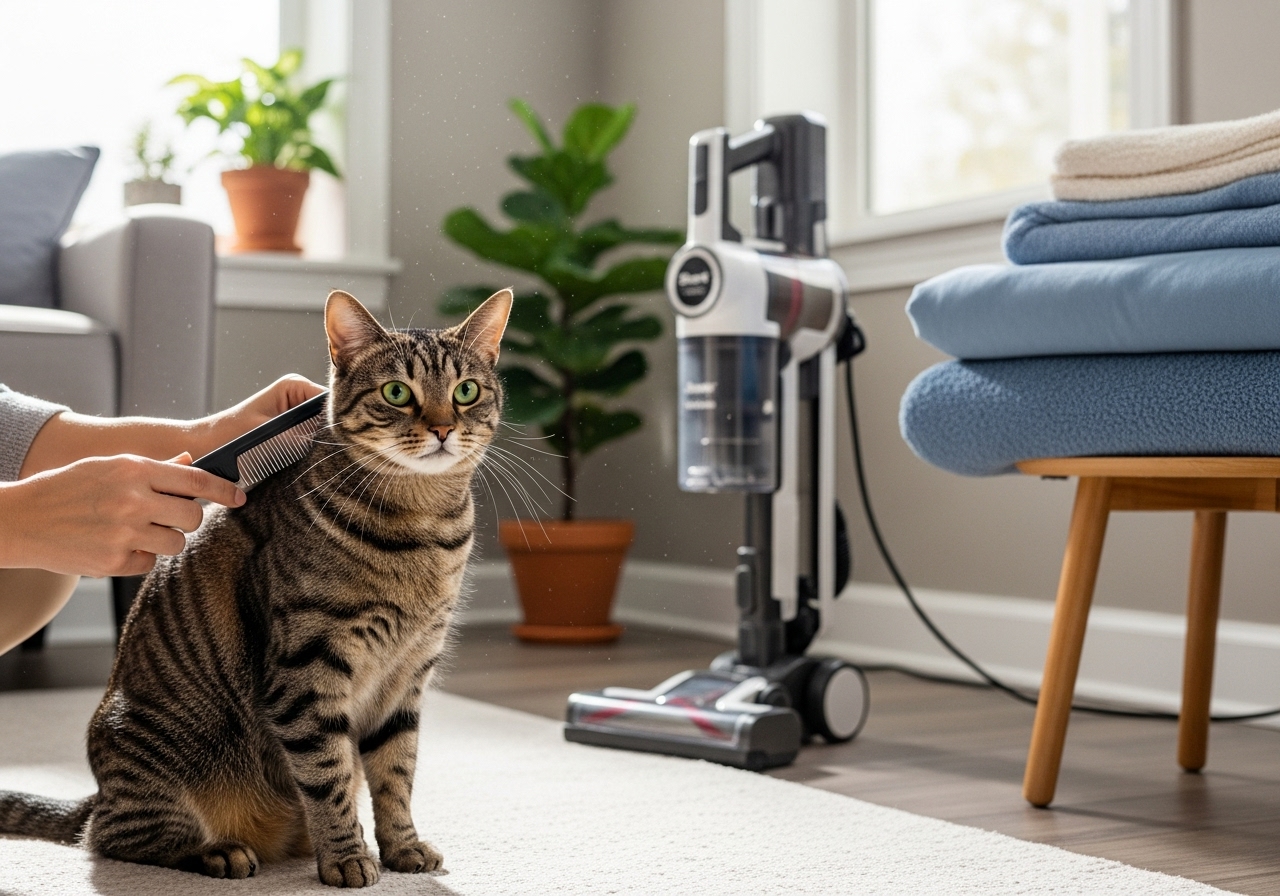
- Gently wipe discharge with a clean, damp cotton pad
- Keep the cat indoors during flare-ups
- Wash bedding regularly to reduce reinfection
- Use a humidifier for dry air
- Reduce stress—important for cats with viral conjunctivitis
- Give prescribed conjunctivitis eye drops as directed
Prevention of Conjunctivitis in Cats
Prevention lowers the chance of flare-ups:
- Keep vaccines up to date (herpesvirus vaccine reduces severity)
- Avoid overcrowding in multi-cat households
- Wash hands after handling infected cats (since some conjunctivitis is contagious)
- Provide a high-quality, meat-based diet to strengthen immunity
- Minimize stress during boarding, travel, or routine changes
FAQs about Conjunctivitis (Pink Eye) in Cats
Is conjunctivitis contagious?
Yes. Viral and bacterial forms of conjunctivitis are contagious to other cats. Bacterial forms like Chlamydia may spread to humans with weak immune systems.
How long does conjunctivitis last?
Mild cases may resolve in 7–10 days with treatment. Chronic viral conjunctivitis may flare up throughout life, especially during stress.
What is the best conjunctivitis treatment?
It depends on the cause. Bacterial conjunctivitis treatment involves antibiotics, while viral conjunctivitis needs antivirals and supportive care. Always consult a vet.
Can I use human eye drops for conjunctivitis in cats?
No. Human antibiotic drops may be toxic. Use only vet-prescribed or pet-safe conjunctivitis eye drops.
What if conjunctivitis keeps coming back?
Recurring conjunctivitis is common with herpesvirus. Long-term management may include antivirals, stress reduction, and nutritional support.
Conclusion
Conjunctivitis (Pink Eye) in cats is common but treatable. With proper care, most cats recover quickly, though viral forms may reappear throughout life. Recognizing conjunctivitis causes, understanding whether it’s bacterial or viral, and following the correct conjunctivitis treatment plan are key to keeping your cat’s eyes healthy.
By working closely with your vet, using safe conjunctivitis eye drops, and supporting overall health with a good diet and reduced stress, you can manage this condition effectively. And always remember—early action prevents chronic complications.
Want to learn more about keeping your cat’s eyes healthy and supporting overall wellness?
Explore our expert-led programs at Animal Wellness Academy’s Online Cat Courses.
These step-by-step guides cover feline health, preventive care, and home-based support—so you can give your cat the best life possible.