
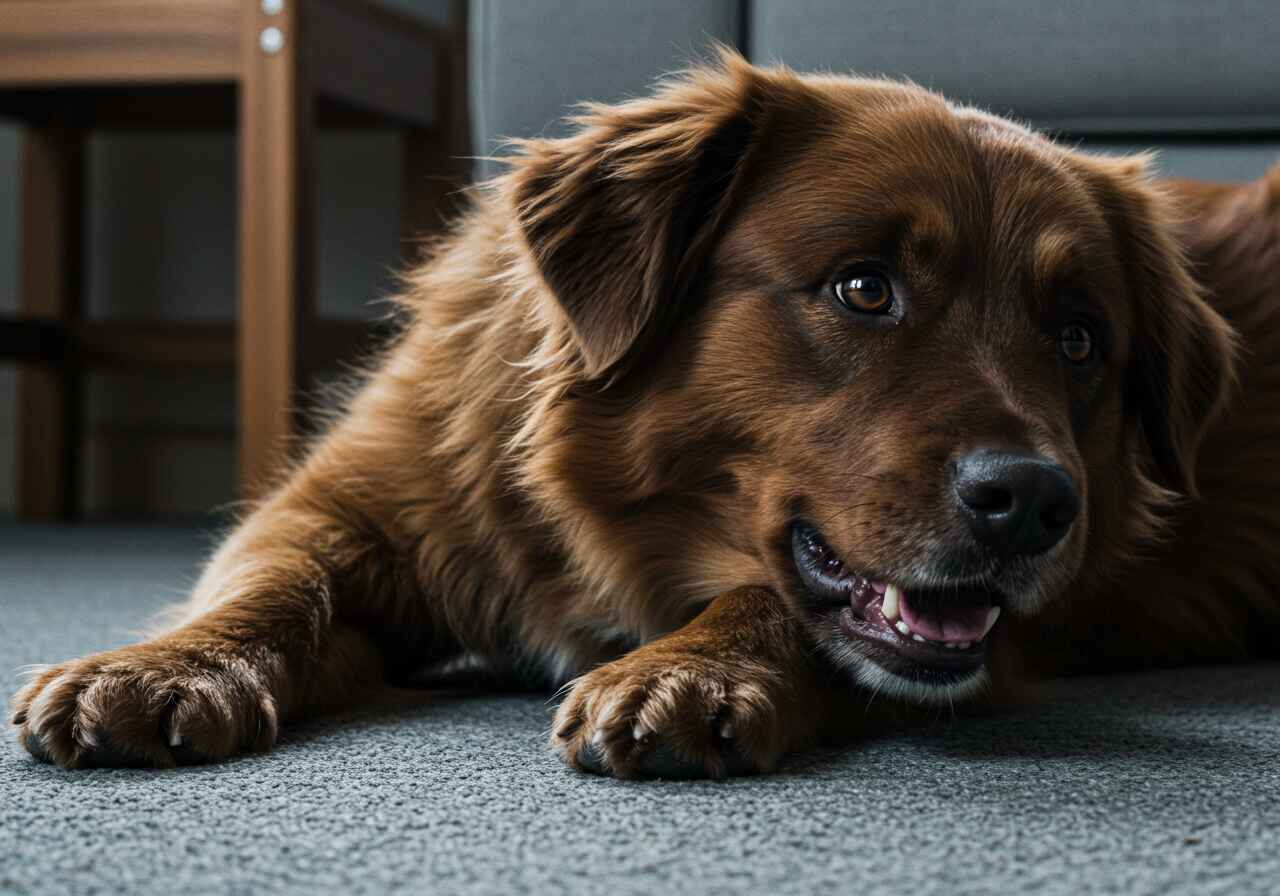
Is your dog chewing everything in sight? From shoes to furniture, chewed-up items can be frustrating. But chewing is normal behavior for dogs—especially puppies. It helps them explore the world, soothe sore gums, and relieve stress. Still, chewing becomes a problem when it damages your home or puts your dog at risk.
This article explains why dogs chew and shows safe and effective ways to stop unwanted chewing. You’ll learn simple steps to correct the behavior without punishment or stress. Whether you’re a new pet owner or dealing with a stubborn chewer, these tips can help restore peace in your home.
Why Dogs Chew on Everything
Dogs don’t chew things just to upset you. Chewing serves factual purposes. Understanding the cause behind the behavior helps you fix it quickly and kindly.
Common reasons for chewing:
- Teething
Puppies chew when their baby teeth fall out and new teeth grow in. This stage can last up to six months. - Boredom
Dogs with nothing to do often chew to pass the time. It keeps their minds active. - Stress or anxiety
Chewing can calm dogs when they’re left alone or feel nervous. - Attention-seeking
Dogs may chew objects to get a reaction from you—especially if they feel ignored. - Hunger
Dogs on a low-calorie diet might chew to satisfy their appetite. - Lack of training
Some dogs simply haven’t learned what is okay to chew and what is not.
Each of these causes has a solution. You just need to match the reason with the proper fix.
Step 1: Identify the Cause
Before you can stop the chewing, figure out why it’s happening. Watch your dog’s patterns.
- When does the chewing happen?
- Is your dog alone at the time?
- What objects are being chewed?
Write down the behavior for a few days. A clear pattern often appears, pointing you to the right solution.
Step 2: Provide Chew-Approved Toys
If your dog has nothing safe to chew, they will chew your things. Provide a few durable chew toys. Let your dog know these are allowed.
Good chew toys include:
- Rubber bones or balls
- Rope toys
- Frozen carrots or rubber toys filled with peanut butter
- Teething rings (for puppies)
Keep toys where your dog can reach them. Rotate them weekly to keep interest high.
Tip: Praise your dog every time they chew the right thing.
Step 3: Use Positive Reinforcement
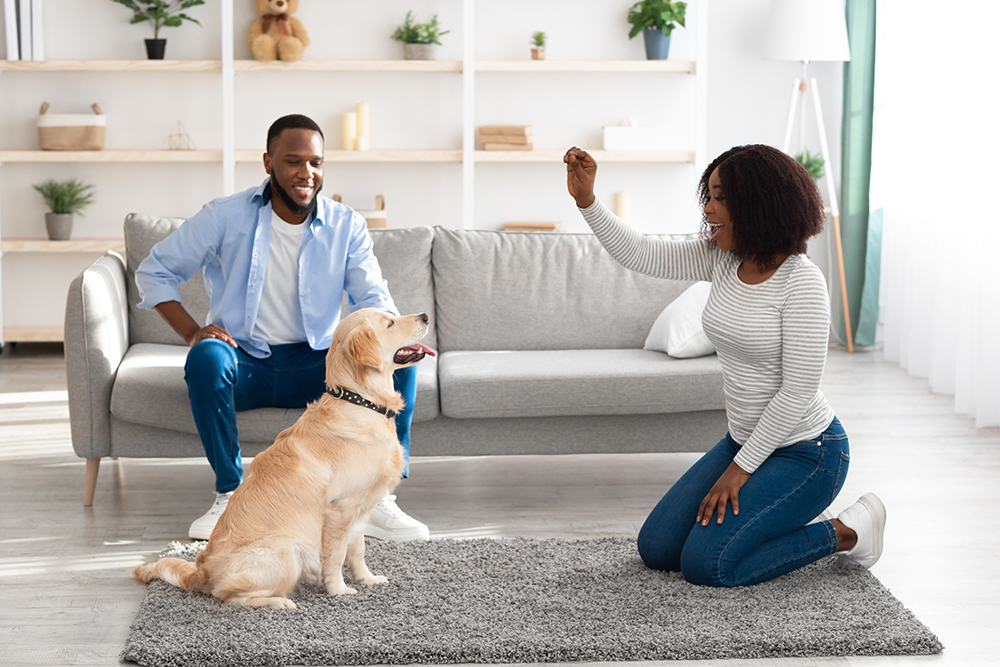
Dogs learn through repetition and reward. Always reward good behavior rather than punishing bad behavior.
When your dog chews their toy:
- Say “Good chew!” in a happy tone
- Give a treat or gentle petting.
- Repeat this every time.
If they pick up something they shouldn’t:
- Say “No” or “Leave it” calmly
- Replace it with a toy.
- Praise once they chew the correct item
Avoid yelling. It doesn’t help and may increase anxiety.
Step 4: Supervise and Redirect
Watch your dog closely, especially during the early stages of training. If you catch them chewing on something bad, redirect immediately.
- Stay calm.
- Take the item away.
- Give a toy instead.
- Praise them for switching.
Do this every time. Your dog will begin to understand the rule: toys are for chewing, shoes are not.
Step 5: Limit Access to Tempting Items
Make it harder for your dog to get into trouble. Put away things that tempt them, like:
- Shoes and socks
- Trash bins
- Children’s toys
- Books and papers
- Remote controls and cords
Use baby gates or closed doors to block off rooms if needed. You can’t train your dog overnight, so manage their environment to reduce mistakes.
Step 6: Exercise and Mental Stimulation
Dogs with excess energy chew more. If your dog is bored, chewing becomes entertainment. Solve this with daily physical and mental activity.
Physical exercise ideas:
- Walks (twice a day)
- Fetch or tug-of-war
- Playing in the yard
Mental exercise ideas:
- Puzzle feeders
- Training new tricks
- Hide-and-seek games
Step 7: Crate Train Safely (Optional)
A crate gives your dog a safe space to rest when you’re not home. Crate training is helpful when used correctly.
- Choose a crate that is the right size—not too big.
- Make it comfortable with a bed and a safe chew toy.
- Don’t leave your dog in the crate for long hours.
Use the crate as a tool, not a punishment. It can reduce the risk of chewing when you’re away.
Step 8: Try Taste Deterrents
If your dog keeps chewing on furniture or cords, safe spray deterrents can help. These products taste bad but are harmless.
- Spray it on table legs, wires, or other items.
- Let your dog sniff and taste it once.
- They often stop chewing after that.
Always test the spray on a small area first to avoid damage.
Step 9: Rule Out Medical Issues
Sometimes, chewing is a sign of health problems. Check with your vet if:
- The chewing is sudden or extreme
- Your dog drools or paws at their mouth often
- They chew on hard items like rocks or metal.
Your vet can check for dental pain, digestion issues, or other health problems.
FAQs About Dogs Chewing Everything
Why is my dog suddenly chewing everything?
It could be boredom, stress, or a medical issue. Changes in routine, loneliness, or teething in young dogs can also trigger chewing.
What can I give my dog to chew safely?
Try rubber toys, rope toys, or natural options like frozen carrots. Choose items that match your dog’s size and chewing strength.
Can punishment stop my dog from chewing?
No. Punishment often makes the behavior worse. It can create fear or confusion. Use calm redirection and reward-based training instead.
Do older dogs chew too?
Yes. Some senior dogs chew due to stress, boredom, or dental discomfort. Always check with a vet if chewing habits change suddenly.
How long does it take to stop destructive chewing?
It depends on your dog’s age, breed, and habits. With consistent training and attention, most dogs improve within a few weeks.
How to discipline a dog for destructive chewing?
Dogs often chew out of boredom, stress, or lack of proper training. Instead of punishment, redirect their chewing to safe toys, provide mental stimulation, and establish consistent routines. For step-by-step guidance, explore these free online dog courses.
Final Thoughts
Chewing is normal. But when it damages your things, it’s time to act. Learn why your dog chews, provide better options, and reward the right actions. Use calm redirection, create safe spaces, and keep dangerous items out of reach. In time, your dog will learn what’s okay to chew and what’s not.
Chewing doesn’t have to be a battle. With the proper steps, you can guide your dog safely and kindly.
Want to Understand Your Dog Better? Visit Animal Wellness Academy to explore expert-backed courses on dog behavior, care, and training. You’ll learn simple ways to raise a happy, well-behaved dog—starting from home. Start your journey now with Animal Wellness Academy.