
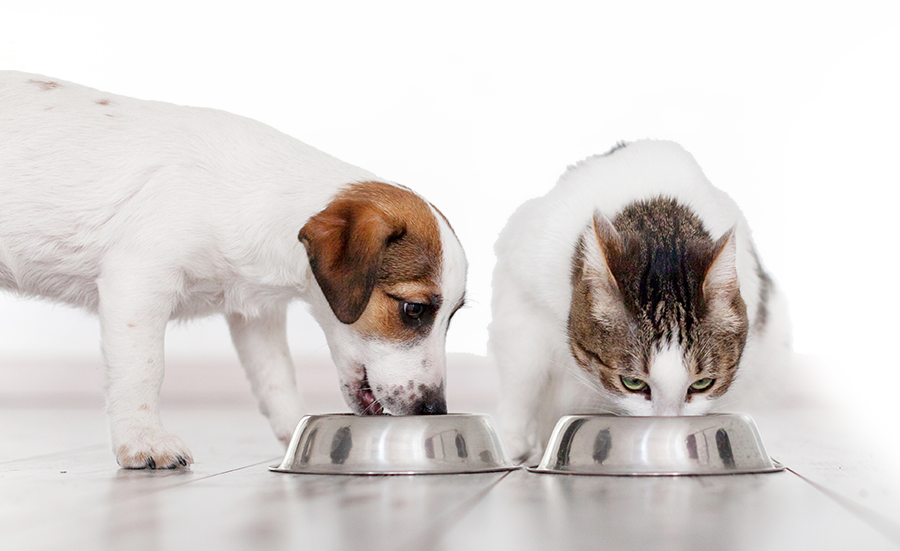
A healthy diet from the very start lays the foundation for a long, thriving life. Puppies and kittens grow quickly, and what they eat during their early months shapes their health for years to come. Choosing the right food can be overwhelming for pet parents, but understanding what makes a diet balanced and species-appropriate helps them make the best decision for their new companions.
Why Early Nutrition Matters
A balanced diet supports growth, strengthens the immune system, and encourages healthy brain and joint development. Many chronic conditions that appear later in life, such as allergies, obesity, and arthritis, often begin with poor nutrition during puppyhood or kittenhood. Feeding fresh, whole foods that are biologically suitable helps strengthen the body at a cellular level and prevents inflammation that can lead to disease.
Helping Owners Choose the Right Type of Diet
Pet owners are faced with countless options, from raw and home-cooked meals to freeze-dried or canned foods. Each type has its benefits, and choosing one depends on the owner’s lifestyle, time, and budget. As professionals, our job is to help them make informed decisions that set their pets up for lifelong wellness.
Raw Diets
Raw diets mimic what animals would naturally eat in the wild. They contain fresh meat, organs, bones, and vegetables that retain nutrients and enzymes lost through processing. These diets can be commercial or homemade. High-quality raw brands, such as Answers Pet Food, Smallbatch, and Allprovide, use human-grade meats and avoid antibiotics, fillers, and additives.
Owners interested in making raw food at home must ensure it’s nutritionally balanced. A veterinarian or nutritionist can help design recipes that meet each pet’s needs. For example, understanding breed-specific dietary needs is important since larger breeds may need more calcium and phosphorus for proper bone growth.
Cooked Diets
Cooked meals are a great option for pets that don’t tolerate raw food. They’re still nutrient-rich and high in moisture, but some vitamins are reduced by heat. Cooking allows owners to control ingredients and ensure freshness.
Prepared meals can be frozen and thawed as needed, offering flexibility for busy families. However, cooked bones should never be fed, as they can splinter and cause internal damage. Because cooking removes some nutrients, adding an NASC-approved supplement helps restore the balance.
Recommended books for home-prepared diets include Fresh Food Ancient Wisdom and Dr. Becker’s Real Food for Healthy Dogs and Cats. These guides offer balanced recipes that make transitioning from commercial food easy and safe.
Freeze-Dried Diets
Freeze-dried foods start as raw meals that go through a gentle dehydration process using vacuum pressure. This removes moisture but preserves nutrients. They’re lightweight, long-lasting, and ideal for travel or when leaving pets with a sitter. Quality brands like Smallbatch and Vital Essentials provide balanced options for both cats and dogs.
Dehydrated Foods
Dehydrated diets are similar but processed with heat, which affects some nutrients. They’re convenient, affordable, and simple to prepare by adding water before serving. Though slightly less nutrient-dense than raw or cooked meals, they’re still healthier than low-quality kibble.
Canned Diets
Canned food is a familiar choice for many owners. It’s high in moisture, which benefits pets who don’t drink enough water, especially cats. However, canned foods are heavily processed and may contain BPA or artificial preservatives. If owners prefer canned diets, they should choose BPA-free options with clean, whole-food ingredients.
Dry Kibble
Kibble is the most common and convenient diet but also the most processed. It’s typically low in moisture and may contain fillers like corn, soy, or wheat. Long-term kibble feeding has been linked to preventable diseases such as obesity, allergies, and even cancer.
If owners choose kibble, they can boost its nutritional value by topping it with fresh, cooked meats or safe vegetables. A premium option like Carna4 provides gently air-dried nuggets made without synthetics, offering a healthier alternative.
Owners dealing with anxious or energetic dogs can also learn about managing stress and behavior in dogs, since emotional balance often influences appetite and digestion.
Building the Foundation for Health
Most puppies and kittens begin life eating commercial food, but transitioning them to fresh, balanced diets is achievable with professional guidance. Proper nutrition prevents skeletal problems, slow healing, and mineral deficiencies. Every meal doesn’t need to be perfectly balanced, but over the week, all nutrients should be present.
Starting with a reputable commercial brand and then introducing fresh or homemade meals allows pets to adjust comfortably. Even small improvements, such as adding real meat or pet-safe fruits and vegetables, can make a noticeable difference in health. For additional holistic insights, see safe natural supplements for cats, which explains how herbs can support feline wellness.
Supporting Pet Parents Through Education
Pet owners should consider their budget, preparation time, and their pet’s health when choosing a diet. Helping them understand the pros and cons of each diet builds trust and encourages consistency. A veterinarian’s role is not only to treat but to teach—empowering owners to make confident, informed feeding decisions that support long-term health.
FAQs About Puppy and Kitten Diets
1. What diet is best for puppies and kittens?
Fresh, species-appropriate diets, whether raw or gently cooked, provide the strongest foundation. Balanced commercial diets can also work if chosen wisely.
2. How often should young pets eat?
Feed three to four small meals daily until they reach maturity.
3. Can I mix kibble with fresh food?
Yes. Mixing fresh ingredients with kibble improves nutrition and flavor. Transition gradually to avoid digestive upset.
4. What are signs of poor nutrition?
Slow growth, dull coat, digestive problems, and low energy may indicate imbalance.
5. Do young pets need supplements?
Only under veterinary guidance. Too many vitamins or minerals can cause health issues.
6. Can I safely cook for my pet at home?
Yes, as long as recipes are balanced. Use vet-approved resources or consult a nutritionist.
7. When should I switch to adult food?
Around 12 months for dogs and 10 to 12 months for cats, depending on breed and size.
Final Thoughts
Educating owners about proper nutrition early on can prevent many future health issues. Whether feeding raw, cooked, or a balanced commercial diet, the goal is to give pets clean, nutrient-rich food that fuels growth and vitality. Even simple upgrades, like adding fresh foods to kibble, can make a real difference. With proper guidance, every puppy and kitten can grow into a strong, healthy adult.