

Working in veterinary medicine is incredibly rewarding, but it can also be emotionally draining. Between difficult cases, client emotions, and long hours, stress, anxiety, and even depression are common challenges for veterinary professionals. One powerful tool that doesn’t get enough attention is emotional intelligence (EI). By developing your emotional intelligence, you can better manage these challenges and create a healthier work environment.
Emotional intelligence is your ability to recognize, understand, and manage your own emotions while also being aware of others’ feelings. It includes skills like self-awareness, self-regulation, empathy, and social awareness. These abilities help you navigate difficult situations with clients, colleagues, and even yourself.
How EI Helps Combat Workplace Stress
Better Self-Awareness When you understand your own emotional triggers, you can spot signs of burnout before they become serious. Maybe you notice you’re getting frustrated more easily, or you’re dreading certain appointments. Recognizing these patterns early lets you take action, whether that’s asking for help, taking a break, or adjusting your schedule.
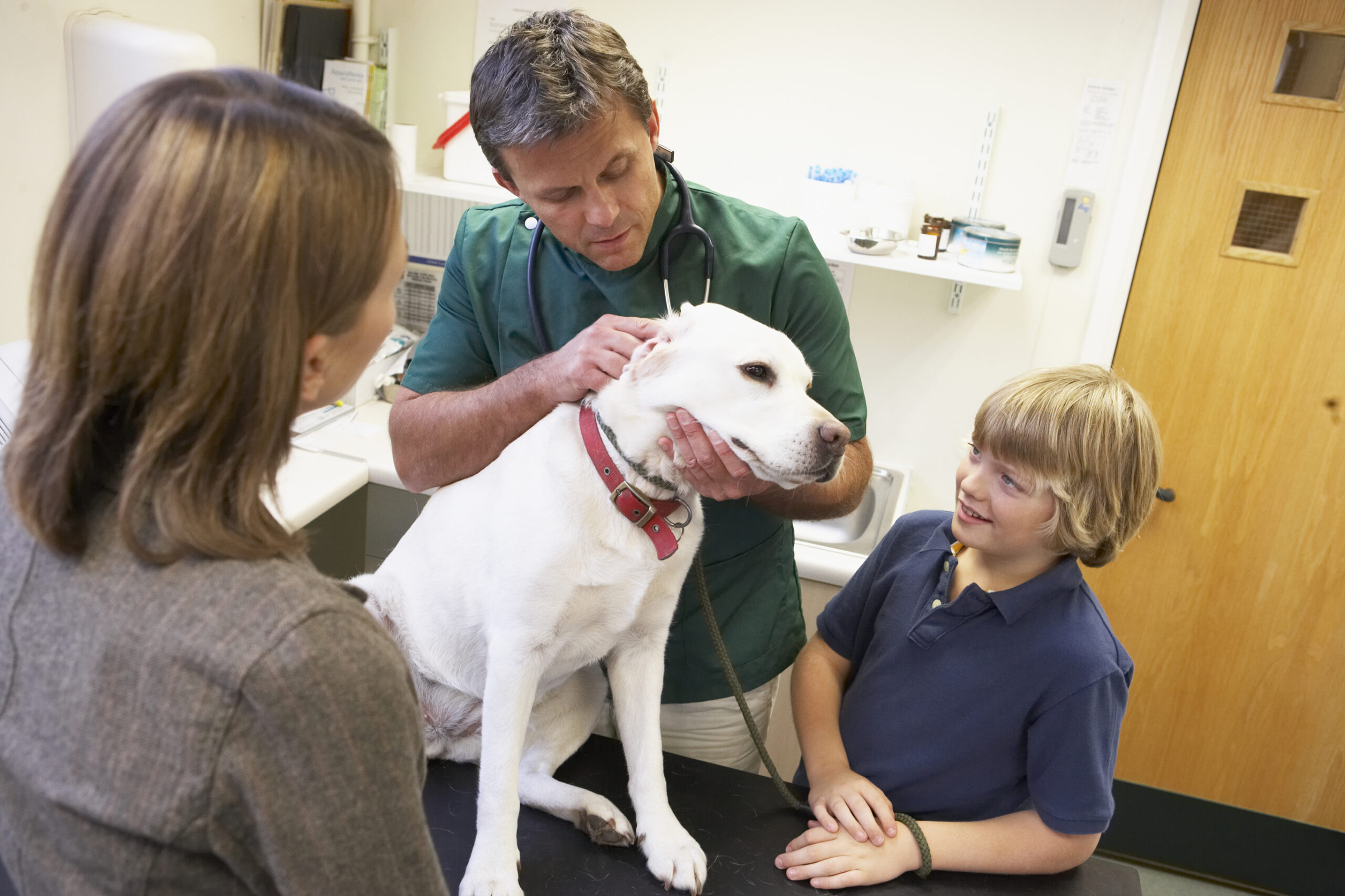
Improved Communication Veterinary work involves constant communication with worried pet owners, sometimes during their worst moments. Strong emotional intelligence helps you respond with empathy while maintaining professional boundaries. This reduces conflicts and makes difficult conversations less draining.
Stronger Team Relationships When you can read the room and understand what your colleagues are feeling, you build better working relationships. You’ll know when a coworker needs support or when to speak up about a problem. This creates a more supportive workplace where everyone feels valued.
Better Stress Management Emotional intelligence gives you tools to regulate your own emotions during high-pressure situations. Instead of letting stress spiral, you can pause, recognize what you’re feeling, and choose how to respond. This keeps you calmer during emergencies and prevents emotional exhaustion.
Practical Ways to Build Your EI
Start by checking in with yourself regularly. Take a moment between appointments to notice how you’re feeling. Practice active listening with clients and team members. When conflicts arise, try to understand the other person’s perspective before reacting.
Consider keeping a journal to track your emotional responses to different situations. Over time, you’ll see patterns and learn what helps you cope. Remember, building emotional intelligence is a skill that takes practice, just like any medical procedure.
Emotional intelligence is a valuable tool for managing the unique stresses of veterinary practice. By developing these skills, you’re not just helping yourself—you’re creating a better environment for your team and providing better care for your patients.
If you’re experiencing persistent anxiety, depression, or overwhelming stress, please reach out to a mental professional. Resources like the Veterinary Hope Foundation and NOMV (Not One More Vet) are specifically designed to support veterinary professionals. You deserve the same compassionate care you give every day.