As interest in integrative veterinary medicine continues to grow, acupuncture has become an increasingly common therapy for horses. Once viewed as an alternative treatment, acupuncture is now used alongside conventional veterinary care to help manage pain, support recovery, and improve overall well-being. While it is not a cure-all, research continues to demonstrate that acupuncture can play a valuable role in treating a variety of equine health conditions when performed by a qualified veterinarian.
Understanding Equine Acupuncture
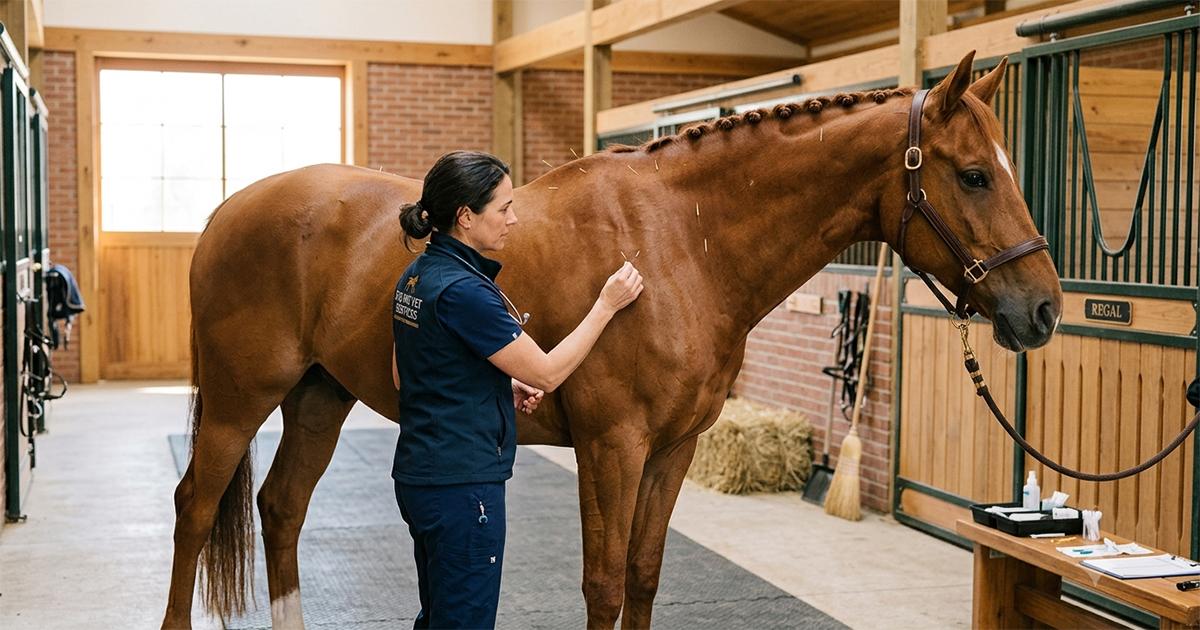
Acupuncture is a therapeutic technique that involves inserting very fine, sterile needles into specific points on the horse’s body. Rooted in Traditional Chinese Veterinary Medicine (TCVM), acupuncture is based on the concept that stimulating these points helps restore balance within the body’s systems.
From a modern veterinary perspective, acupuncture works by stimulating nerves, muscles, and connective tissues. This stimulation may promote blood flow, reduce inflammation, encourage the release of endorphins and serotonin, and influence the nervous system’s response to pain.
Although the traditional and scientific explanations differ, both approaches recognize acupuncture as a tool for supporting the body’s natural healing processes.
How Acupuncture Differs from Other Bodywork Therapies
Equine acupuncture is often grouped with other complementary therapies, but each serves a different purpose.
Massage therapy focuses on relaxing muscles, improving circulation, and reducing tension through manual manipulation.
Chiropractic care addresses restrictions in joint mobility and spinal alignment through controlled adjustments.
Laser therapy uses specific wavelengths of light to reduce inflammation and promote tissue healing.
Acupuncture differs because it stimulates neurological and physiological responses through precisely selected acupuncture points rather than direct manipulation of muscles or joints. Many rehabilitation programs combine several of these therapies to achieve the best outcomes.
What Current Veterinary Research Shows
Research into equine acupuncture has expanded considerably over the past two decades. While more large-scale clinical trials are still needed, current evidence suggests acupuncture can be beneficial as part of a comprehensive treatment plan.
Studies have reported that acupuncture may:
- Reduce pain associated with musculoskeletal disorders
- Improve mobility in horses recovering from injury
- Support rehabilitation following orthopedic procedures
- Help regulate gastrointestinal motility in certain digestive conditions
- Reduce stress responses through effects on the autonomic nervous system
- Complement conventional pain management strategies
Researchers generally conclude that acupuncture provides the greatest benefit when used alongside accurate diagnosis, rehabilitation, and appropriate veterinary care rather than as a standalone treatment.
Musculoskeletal Conditions
Musculoskeletal pain remains the most common reason horses receive acupuncture treatments.
Veterinarians frequently use acupuncture to help manage:
- Back pain
- Neck stiffness
- Arthritis
- Tendon and ligament injuries
- Sacroiliac discomfort
- Muscle soreness after athletic performance
By encouraging muscle relaxation and improving circulation, acupuncture may help horses become more comfortable during rehabilitation. Many owners report improvements in flexibility, willingness to work, and overall performance when acupuncture is incorporated into recovery plans.
Digestive Disorders
The digestive tract is closely connected to the nervous system, making it another area where acupuncture may offer supportive benefits.
Research suggests acupuncture may help:
- Encourage normal gut motility
- Support recovery after mild gastrointestinal disturbances
- Reduce stress-related digestive dysfunction
- Improve appetite in some recovering horses
Acupuncture should never replace emergency veterinary treatment for colic or other acute gastrointestinal conditions. However, it may be recommended during recovery or for managing certain chronic digestive concerns under veterinary supervision.
Stress Regulation and Nervous System Health
Stress affects nearly every aspect of a horse’s health, including immunity, digestion, recovery, and behavior.
Acupuncture appears to influence the autonomic nervous system by encouraging a shift away from chronic sympathetic (“fight or flight”) activation toward improved parasympathetic (“rest and digest”) function.
Some horses receiving acupuncture demonstrate:
- Improved relaxation
- Reduced anxiety during handling
- Better recovery after exercise
- More consistent performance
- Improved sleep and rest patterns
These effects vary between individuals but may contribute to improved overall wellness, particularly in performance horses or those recovering from illness or injury.
Safety and Regulation Considerations
When performed by a properly trained veterinarian, acupuncture is considered very safe.
Side effects are generally mild and uncommon but may include:
- Temporary soreness
- Mild fatigue following treatment
- Occasional minor bleeding at needle sites
Because acupuncture requires detailed anatomical knowledge and medical judgment, horse owners should seek practitioners who have completed accredited veterinary acupuncture training. Many countries and states require acupuncture in animals to be performed only by licensed veterinarians.
Using sterile, single-use needles and following appropriate treatment protocols helps minimize risks.
Integrating Acupuncture with Modern Veterinary Care
One of the greatest strengths of equine acupuncture is its ability to complement conventional medicine rather than replace it.
Today’s integrative veterinarians often combine acupuncture with:
- Diagnostic imaging
- Physical rehabilitation
- Corrective farriery
- Therapeutic exercise programs
- Nutritional management
- Appropriate medications when necessary
This comprehensive approach allows treatment plans to address both the underlying condition and the horse’s comfort throughout recovery.
The Bottom Line
Scientific understanding of equine acupuncture continues to evolve, but current research supports its use as a valuable complementary therapy for many horses. From managing musculoskeletal pain to supporting digestive health and reducing stress, acupuncture offers a low-risk option that may improve comfort, mobility, and quality of life when integrated into a comprehensive veterinary treatment plan.
As with any medical therapy, successful outcomes begin with an accurate diagnosis and collaboration with a qualified veterinarian who can determine whether acupuncture is appropriate for your horse’s individual needs.