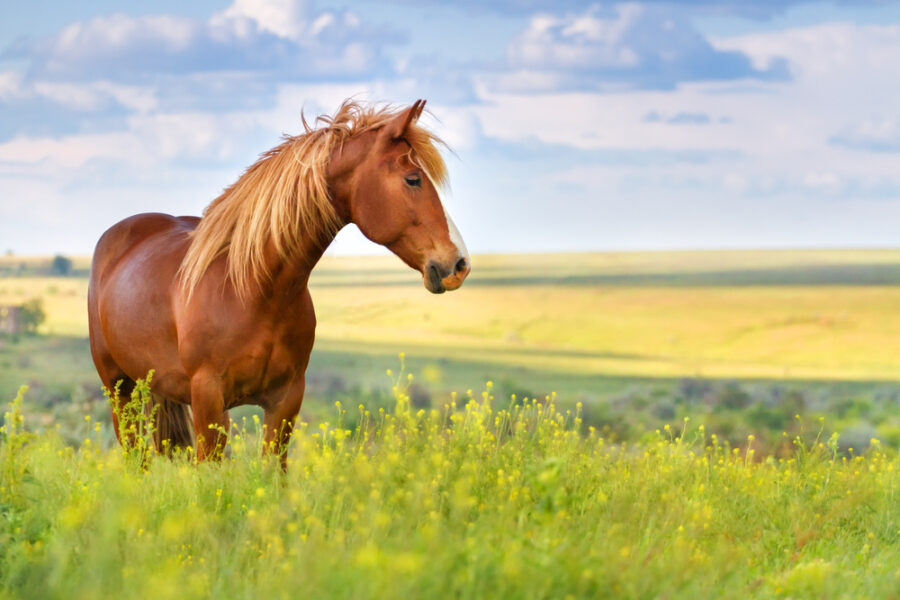

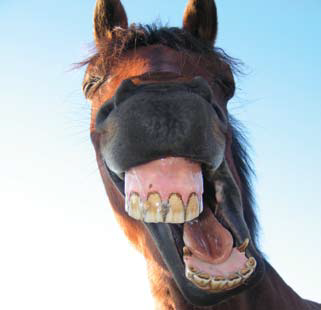
In Texas, there’s been an ongoing debate about who should legally be allowed to do equine dental work in that state. They’re now one step closer since the Texas Legislature passed House Bill 414, which will professionalize the practice of non-veterinary equine dentistry and allow licensed “equine dental providers” to perform certain dental services under the supervision of a vet. These services may include removing sharp enamel points and small dental overgrowths, reducing incisors, extracting loose deciduous teeth, and more. The new law will ensure that nonveterinarian equine dentists are regulated and will be required to meet certain levels of professionalism.
Equine Dentistry In Texas
- Categories: What's New
-
View All PostsAW ACADEMY is a natural extension of our 25 years of experience publishing Animal Wellness, Equine Wellness and Innovative Veterinary Care Journal. We believe that everyone has a responsibility to care for animals to the best of their ability utilizing the most natural and minimally invasive means possible. We feel strongly that it’s better to promote a preventative healthy lifestyle for our pets instead of taking a wait-and-see approach. We also fiercely advocate for the quality of animals’ lives, supporting animal rescues and welfare organizations both financially and through our editorial.
Related Articles
Guide helps pet owners detect subtle illness signs through behavior, appetite, vitals, and home checks like gum color and hydration;
Spot subtle behavior changes in pets to detect early illness. Use a holistic wellness checklist, natural care, and education to
This guide offers a simple, holistic pet wellness routine for busy owners, covering time-saving nutrition, stress relief, enrichment, natural care,
Learn a simple 10-minute daily holistic pet care routine with morning walks, balanced meals, grooming, evening calming, and weekend enrichment
Cats are masters at hiding their discomfort. Unlike dogs who might whimper or seek attention when feeling unwell, cats often
Cornell University’s College of Veterinary Medicine (CVM), in partnership with the K. Lisa Yang Center for Wildlife Health (CYCWH), has