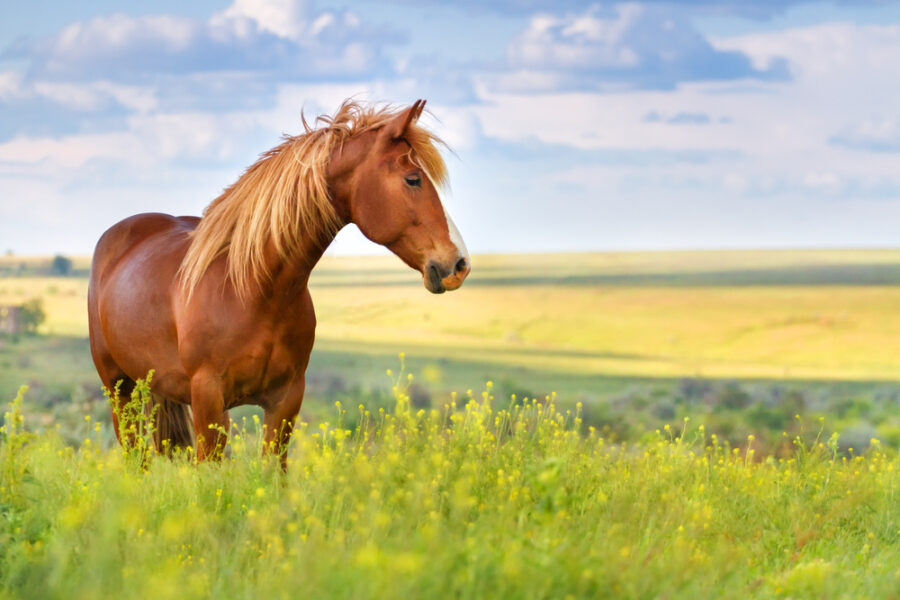

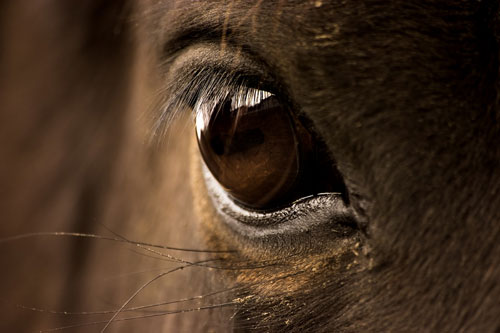
Our eyes are the windows to our souls – to our true feelings and emotions. We can control our mouth and our smile, but not our eyes. Eye contact is probably the single most non-verbal message we convey. With horses, eye contact is crucial. In fact you can use your eyes in a number of different ways very effectively. Placing your eyes on your horse’s eyes can be a form of reprimand, for example. You can also use your eyes to ask for your horse’s attention, control his speed or merely read his mood. Through the proper use of your eyes you can cause a horse to walk, trot, canter, follow you, leave you, change direction, back up and stand. You can combine eye contact with your other body gestures too, each of which makes up a complete language.
Eye Contact
- Categories: Horse Health, Horse Lifestyle, Horses
-
View All PostsAW ACADEMY is a natural extension of our 25 years of experience publishing Animal Wellness, Equine Wellness and Innovative Veterinary Care Journal. We believe that everyone has a responsibility to care for animals to the best of their ability utilizing the most natural and minimally invasive means possible. We feel strongly that it’s better to promote a preventative healthy lifestyle for our pets instead of taking a wait-and-see approach. We also fiercely advocate for the quality of animals’ lives, supporting animal rescues and welfare organizations both financially and through our editorial.
Related Articles
What Foods Should You Never Feed Your Dog? Dogs are curious eaters. If something smells interesting, there’s a good chance
How Can You Manage Pain in Dogs and Cats? 11 Ways to Help Watching your dog or cat live with
Can Certain Foods Help Support a Stressed or Anxious Dog? Does your dog pace during thunderstorms, struggle to settle down,
What Are Healthy Treats for Dogs? 8 Better Choices for Dog Parents Those puppy-dog eyes can make saying no to
How Can You Keep Your Dog Safe While Playing With Toys? Dogs love toys. A good toy can keep your
5 Ways to Help Lower Your Dog’s Cancer Risk Cancer is something no dog parent wants to think about. Yet