

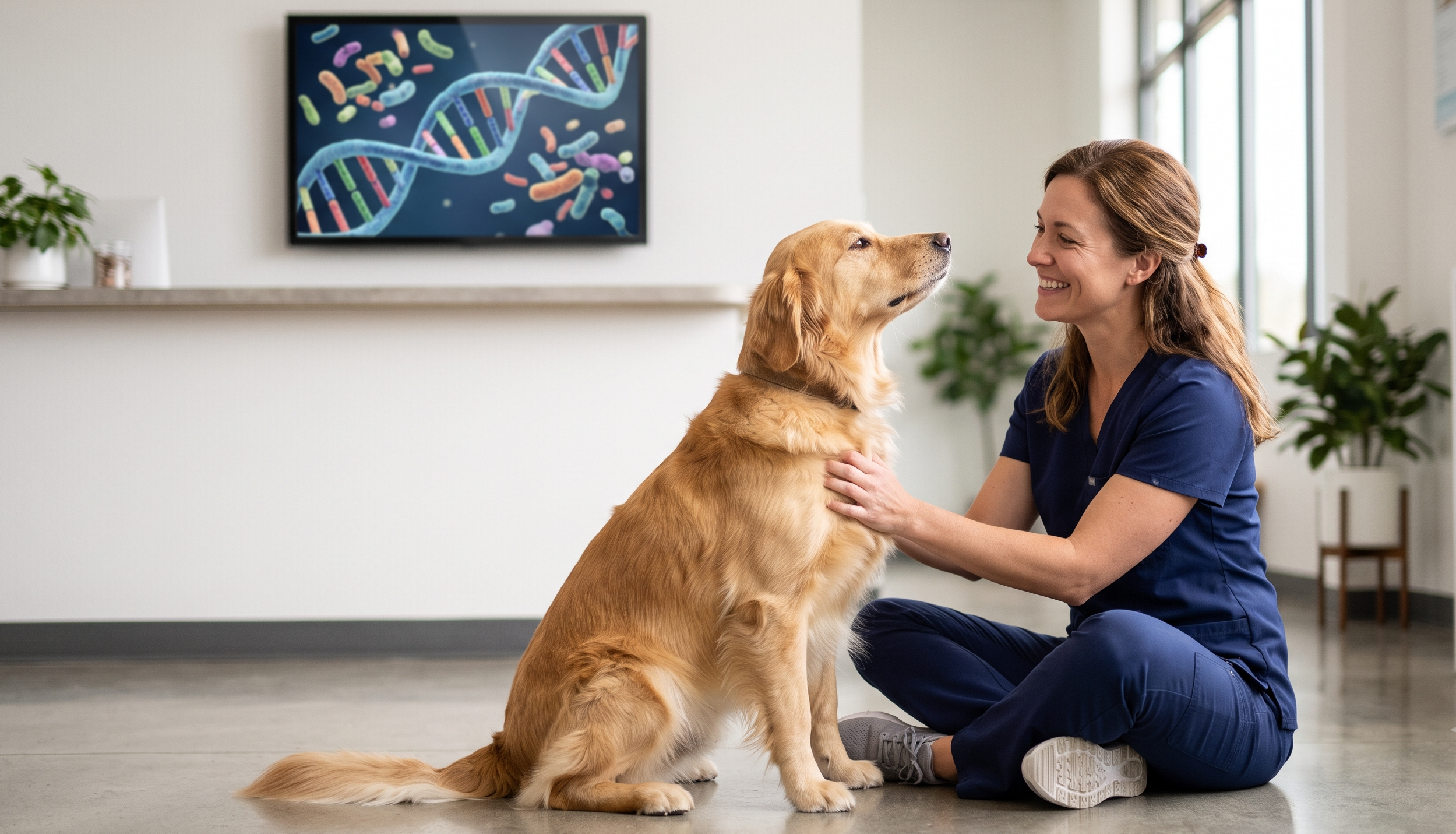
Antimicrobial resistance (AMR) is one of the most pressing challenges in both human and veterinary medicine. Clinicians are increasingly called to evaluate when antibiotics are truly necessary — and when alternative strategies might achieve the same clinical goal. One promising frontier is canine microbiome modulation, particularly in cases of chronic gastrointestinal disease.
The Microbiome as a Clinical Target
The canine gastrointestinal tract houses a complex ecosystem of microorganisms that play a critical role in digestion, immune regulation, and even behavioral health. Approximately 70% of the canine immune system resides in the GI tract, making microbial balance a key pillar of overall health.
Dysbiosis — an imbalance in this microbial community — has been linked to a wide range of conditions, including chronic enteropathy, skin disorders, urinary tract infections, and anxiety. Historically, many of these conditions have been managed with antimicrobials. However, emerging evidence suggests that targeted microbiome modulation may offer a viable alternative or adjunct strategy.
Antibiotic-Responsive Diarrhea: A Key Example
Antibiotic-Responsive Diarrhea (ARD), including Tylosin-Responsive Diarrhea, is a well-documented syndrome, particularly in young large-breed dogs. While antibiotics remain effective, repeated or long-term use raises legitimate AMR concerns. Recent research is exploring whether restoring microbial balance through probiotics, prebiotics, or dietary modification could reduce reliance on antibiotic intervention in these cases.
Modulation Strategies
Several approaches show clinical promise:
- Probiotics: Strains such as Bifidobacterium animalis (AHC7) and Enterococcus faecium (SF68) have demonstrated efficacy in managing acute diarrhea.
- Prebiotics: Dietary fibers that feed beneficial bacteria work synergistically with probiotics to restore microbial diversity.
- Dietary Modification: Hydrolyzed or novel protein diets can reduce antigenic load, lowering intestinal inflammation and the conditions that predispose to dysbiosis.
- Fecal Microbiota Transplantation (FMT): An emerging therapy showing early promise in refractory GI cases.
Integrating these strategies of canine microbiome modulation into treatment protocols — particularly for chronic, recurrent GI conditions — offers a responsible path toward reducing unnecessary antimicrobial use while still achieving strong clinical outcomes.
As stewards of both animal health and public health, exploring the microbiome as a therapeutic target is an excellent strategy.