

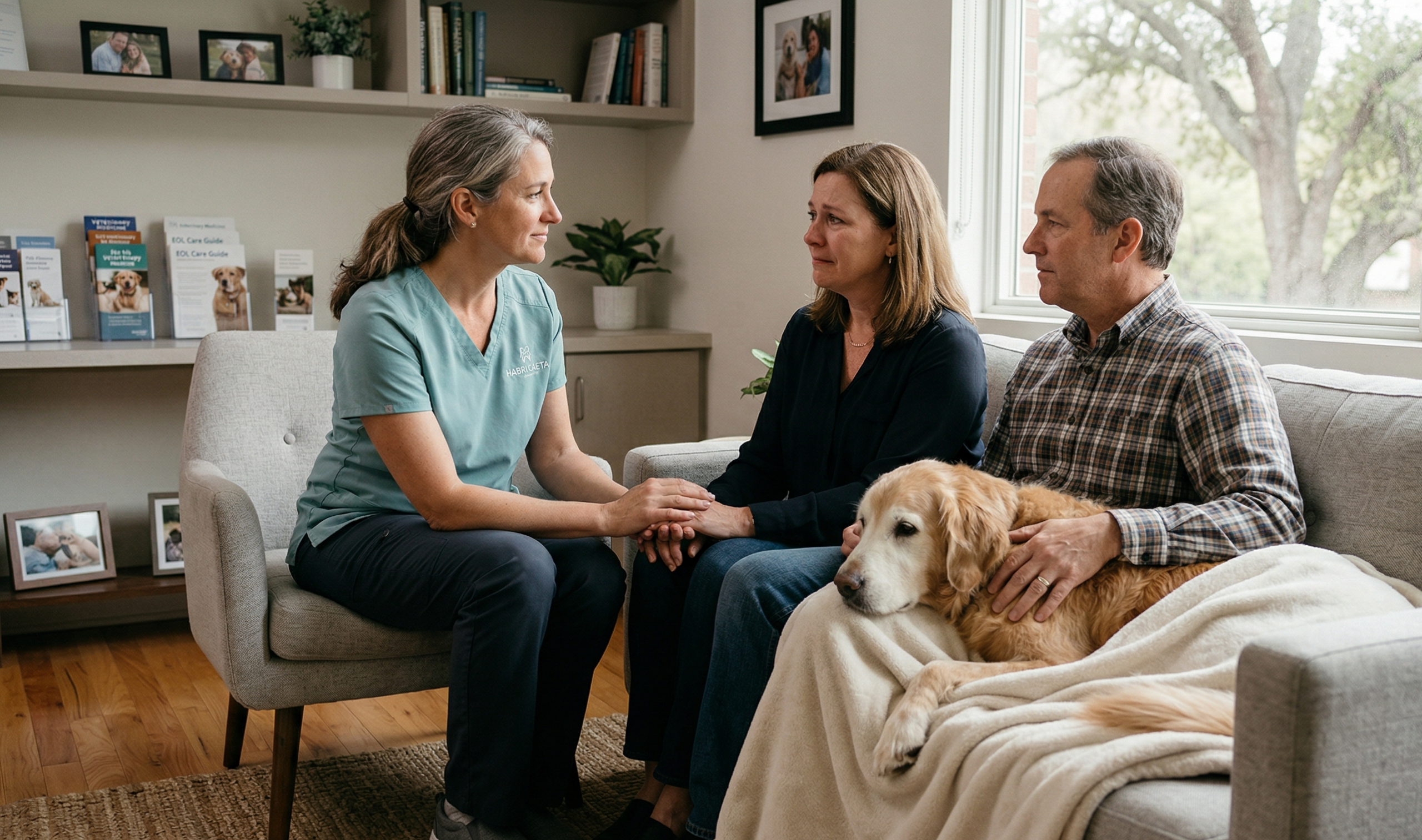
The Human Animal Bond Research Institute (HABRI) has awarded a new research grant to the Companion Animal Euthanasia Training Academy (CAETA) to investigate pet owners’ experiences and needs during end‑of‑life (EOL) care. Announced on December 3, 2025, the project aims to generate evidence‑based insights that will help veterinary teams improve communication, decision‑making support, and overall care quality for families navigating their pets’ final stages of life.
The study will be led by two recognized leaders in the field: Kathleen Cooney, DVM, MS, DACAW, Senior Director of Medical Education at CAETA, and Lori Kogan, PhD, Professor of Clinical Sciences at Colorado State University’s College of Veterinary Medicine and Biomedical Sciences. Their collaboration brings together expertise in animal welfare, veterinary communication, and human–animal bond research.
As companion animals increasingly occupy central roles in households, veterinarians are encountering more complex EOL scenarios. Many pets now live long enough to develop chronic, progressive conditions that require extended palliative or hospice care. According to Dr. Cooney, this shift has intensified the emotional and logistical challenges faced by pet owners. She notes that improving how veterinary teams approach EOL conversations is essential to reducing caregiver burden and preserving the human–animal bond during difficult transitions.
The mixed‑methods study will survey pet owners who have recently experienced EOL care with their animals. It will explore how families make decisions regarding euthanasia, natural death, or hospice support; what types of communication they find most helpful; and when they believe discussions about EOL goals should begin. By capturing real‑world perspectives, the research aims to identify gaps in current veterinary practices and highlight opportunities for earlier, more compassionate, and more structured communication.
Findings from the study will be shared broadly with the veterinary community, with the goal of informing best‑practice guidelines and strengthening EOL care standards across clinical settings. HABRI President Steven Feldman emphasized the importance of this work, noting that veterinarians play a critical role in supporting both animal welfare and caregiver well-being during the final stages of a pet’s life. Enhancing EOL communication, he said, will help veterinary professionals feel more confident and prepared while improving outcomes for aging and terminally ill animals.
For veterinarians, this research represents a timely opportunity to refine communication strategies, deepen client trust, and ensure that EOL care aligns with both medical realities and family values. As the demand for compassionate, well‑structured EOL support continues to grow, the insights generated by this study may help shape the next generation of veterinary best practices.