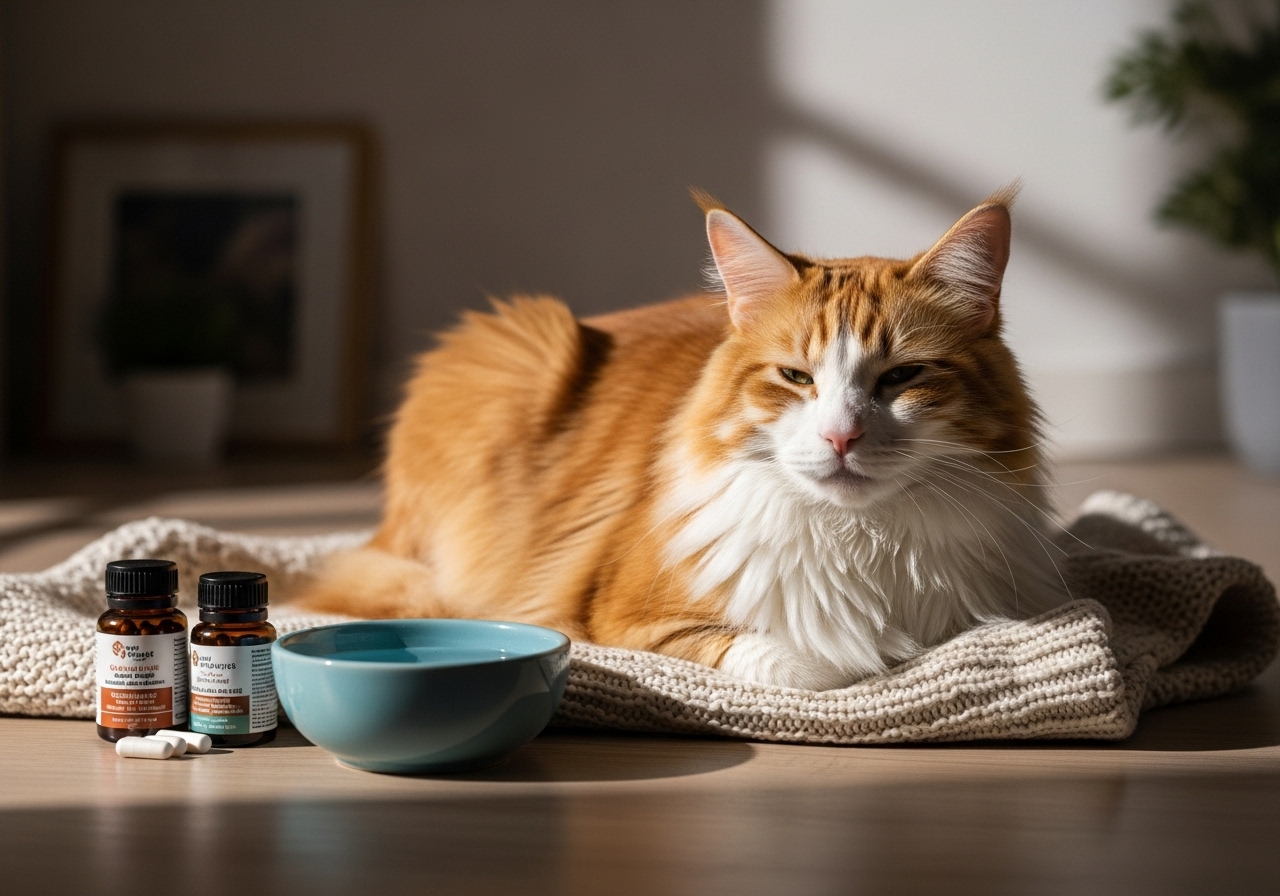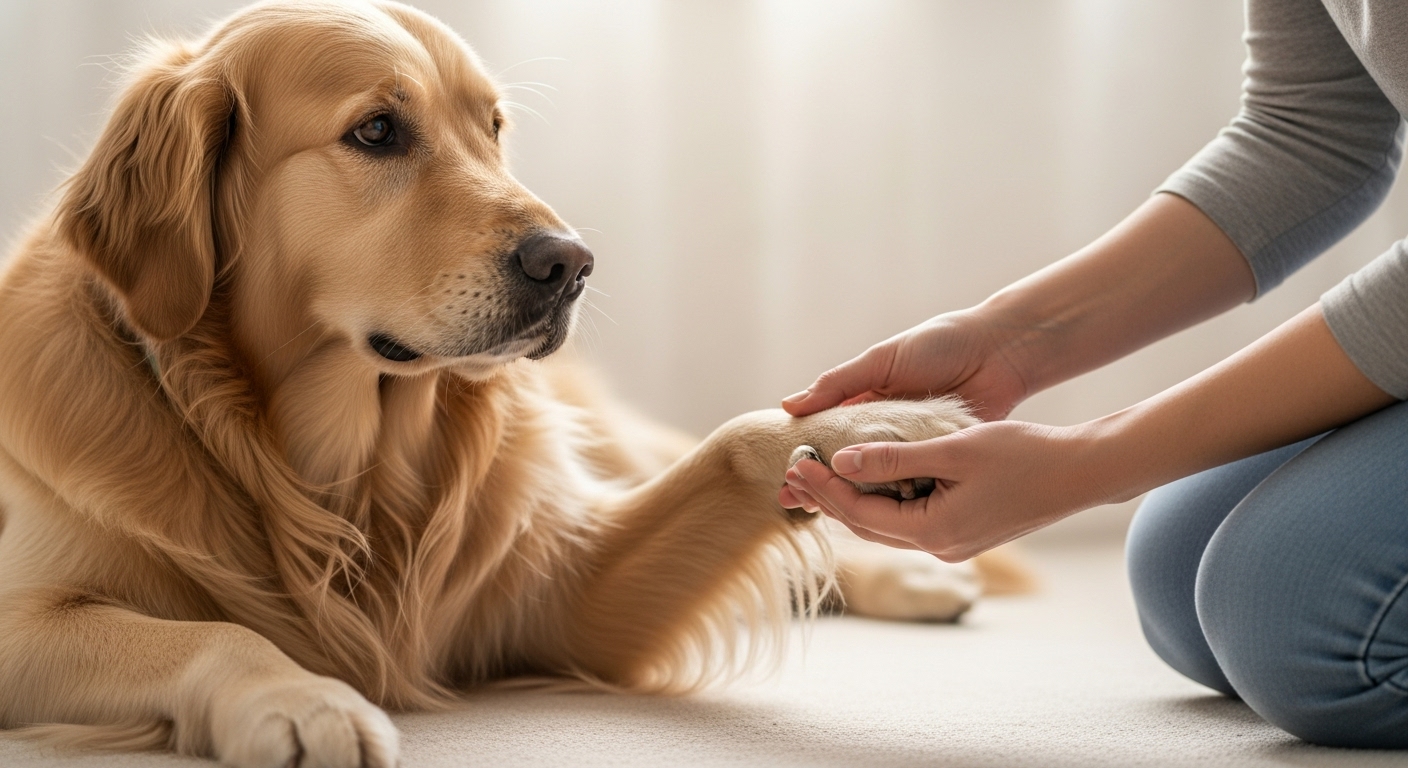
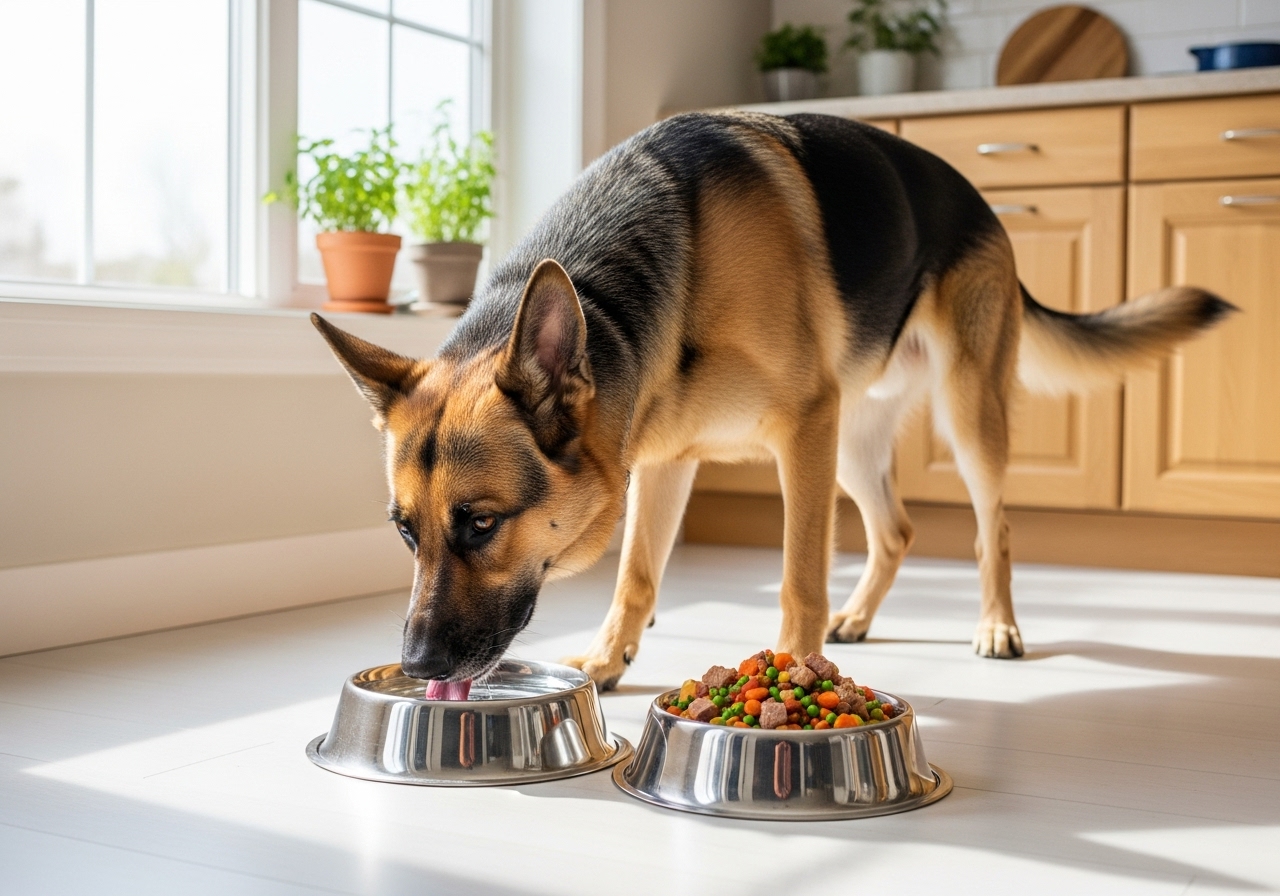
Urinary tract infections (UTIs) in dogs can be uncomfortable and frustrating—for both pets and their owners. If your dog is struggling with frequent urination, pain, or accidents in the house, diet can play a big role in recovery. A carefully prepared homemade diet for dogs with UTI can support healing, restore comfort, and help prevent future infections naturally.
Understanding UTIs in Dogs
A UTI occurs when bacteria enter the urinary tract, causing inflammation and discomfort. While female dogs are more prone to infection, any dog can develop one, especially if dehydrated or on a poor-quality diet. Common symptoms include:
- Straining or whining during urination
- Frequent urination in small amounts
- Blood in the urine
- Strong or foul-smelling urine
- Licking the genital area excessively
If you notice these signs, a visit to your veterinarian is essential. They can perform a urinalysis or culture to confirm infection and recommend treatment. Alongside medication, the right food can make a big difference in helping your dog recover faster.
How Diet Affects Urinary Health
The food your dog eats directly influences their urinary pH, hydration, and immune response. A homemade UTI-friendly diet focuses on:
- Increasing moisture intake to flush bacteria from the bladder
- Reducing ingredients that may promote crystal or stone formation
- Providing natural anti-inflammatory nutrients
- Supporting the immune system to fight infection
Poor-quality commercial diets often contain high levels of sodium, preservatives, or fillers that can worsen urinary irritation. Preparing meals at home ensures you control the ingredients and focus on freshness and hydration.
If you’re interested in deepening your understanding of canine nutrition and holistic care, explore our online veterinary courses created for pet parents who want to make informed wellness choices.
Key Ingredients for a Homemade Diet for Dogs with UTI
A gentle, hydrating, and nutrient-dense diet can help balance your dog’s urinary system. Always consult your veterinarian before switching diets, especially if your dog has crystals or stones.
1. Moisture-rich foods:
Fresh ingredients with high water content—like lean meats, vegetables, and bone broth—help flush out bacteria naturally.
2. Lean protein:
Choose easily digestible proteins such as chicken, turkey, or white fish. Avoid fatty cuts and processed meats.
3. Healthy carbs:
Cooked pumpkin, sweet potatoes, or brown rice provide fiber for digestive health and help regulate bowel movements.
4. Cranberries and blueberries:
These berries contain compounds that prevent bacteria from adhering to the bladder wall, reducing the risk of recurring infections.
5. Bone broth:
Provides hydration and nutrients that soothe the urinary tract and aid healing.
6. Omega-3 fatty acids:
Add a small amount of wild-caught salmon oil to reduce inflammation and support the immune system. Learn more about how Omega-rich fish supports wellness in our post on Wild Alaskan Pollock benefits for pets.
Sample Homemade UTI-Friendly Recipe
Ingredients:
- 1 cup cooked skinless chicken breast (boiled or steamed)
- ½ cup cooked brown rice or quinoa
- ¼ cup chopped spinach or zucchini
- 1 tablespoon unsalted bone broth
- 1 teaspoon coconut oil or olive oil
- Optional: 1 tablespoon unsweetened cranberry puree
Instructions:
- Cook chicken thoroughly and shred into small pieces.
- Steam or lightly boil the vegetables until soft.
- Mix chicken, rice, and vegetables together.
- Add bone broth and oil for moisture and nutrients.
- Let cool before serving.
This meal can be fed twice a day for a medium-sized dog. Adjust portion sizes according to your dog’s weight and activity level.
Foods to Avoid for Dogs with UTI
Certain foods can worsen urinary irritation or increase the risk of stone formation. Avoid feeding your dog:
- Processed meats (ham, bacon, sausages)
- High-sodium broths or canned foods
- Dairy products (they can alter urinary pH)
- Spinach and beet greens (high in oxalates)
- Dry kibble without added moisture
If your dog currently eats kibble, consider adding warm water or bone broth to increase hydration. You can also transition to a home-cooked diet gradually over a week to avoid digestive upset.
Preventing Future UTIs in Dogs
Prevention is just as important as treatment. Along with the right diet, you can help your dog stay UTI-free by:
- Providing constant access to fresh, clean water
- Allowing frequent bathroom breaks
- Keeping your dog’s genital area clean and trimmed
- Supporting a healthy immune system through proper nutrition
Active dogs may also benefit from specialized diets that reduce inflammation and support joint health. You can learn more in our article on Vetdiet’s innovative mobility formula for dogs to understand how certain nutrients improve resilience and recovery.
When to See the Vet Again
If your dog’s symptoms persist beyond a few days or worsen, contact your veterinarian immediately. Some UTIs are secondary to underlying issues such as bladder stones, diabetes, or kidney disease. Regular urinalysis helps monitor recovery and prevent recurrence.
FAQs About Homemade Diets for Dogs with UTI
1. Can homemade food help cure my dog’s UTI?
Homemade diets can support recovery but should complement veterinary treatment, not replace it.
2. How long should my dog stay on a UTI-friendly diet?
Feed this diet for 2–4 weeks or as recommended by your vet, then gradually transition to a balanced maintenance diet.
3. Can I use cranberries for my dog’s UTI?
Yes, in small amounts. Cranberries help reduce bacterial adhesion but should be unsweetened and used moderately.
4. Is bone broth good for dogs with UTIs?
Absolutely. It provides hydration and soothing nutrients that aid urinary health and overall recovery.
5. How can I prevent UTIs from returning?
Hydration, hygiene, and a fresh, balanced diet are key. Avoid overly processed foods and keep regular vet checkups.
Final Thoughts
A homemade diet for dogs with UTI gives you control over ingredients and nutrition while supporting your dog’s recovery naturally. By focusing on hydration, clean protein, and anti-inflammatory foods, you can help restore comfort and prevent future infections. Always consult your veterinarian before making major dietary changes, especially if your dog has a history of urinary or kidney issues.
For more guidance on nutrition, recovery, and holistic dog care, check out our online veterinary courses to learn how to keep your pet healthy through every life stage.