
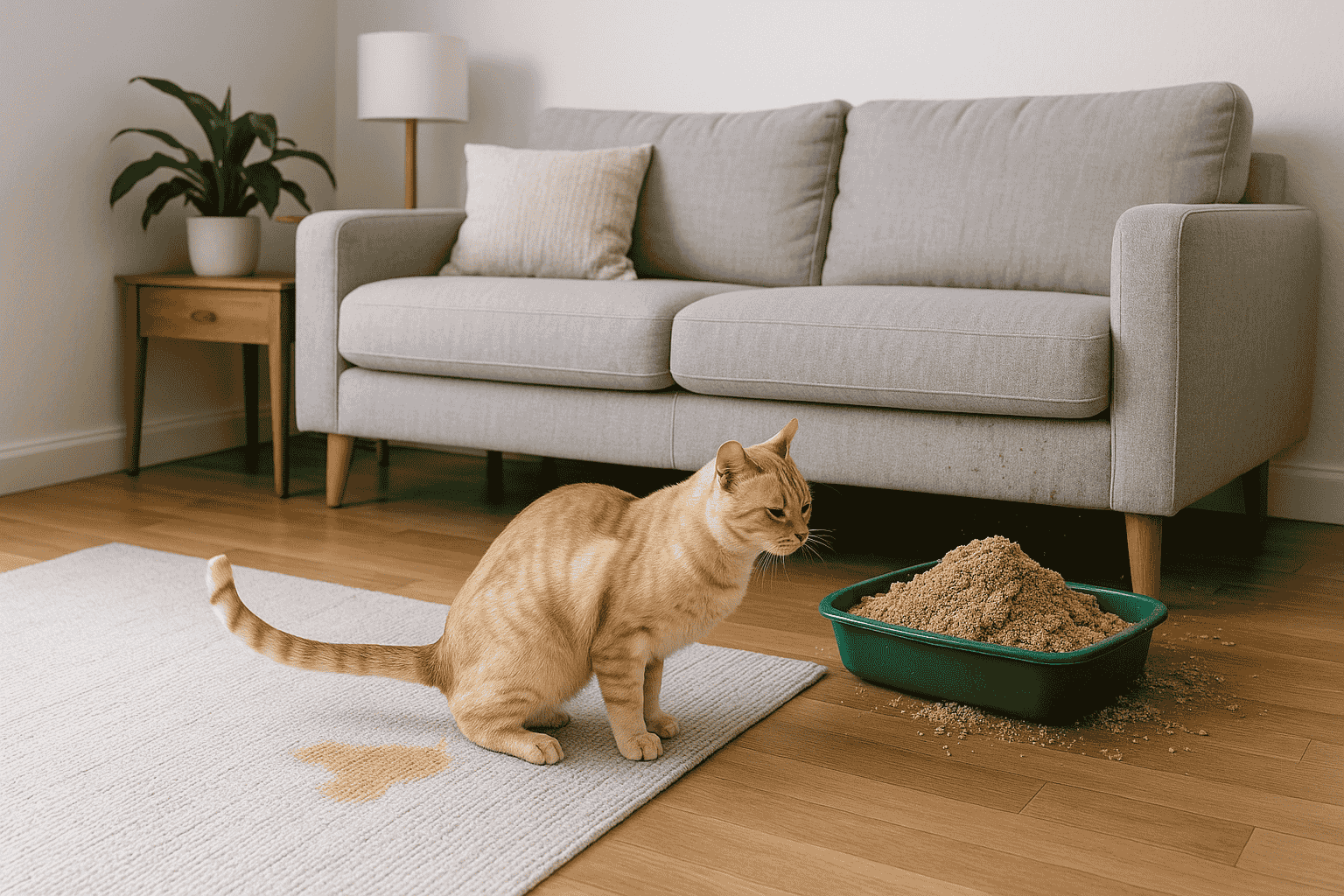
Cats are clean animals by nature. They usually use the litter box without problems. When a cat starts peeing outside the box, it is a sign that something is wrong. This behavior is common, but it can be corrected. Most causes are easy to identify and solve with simple changes.
This article explains why cats pee outside the litter box and offers clear solutions. Each section focuses on clear language, precise terminology, and practical steps for pet owners.
Why Cats Pee Outside the Litter Box
Before addressing inappropriate urination, it’s crucial to understand the root causes. Cats use scent marking and elimination to communicate comfort and territory boundaries, so when they choose to pee elsewhere, it’s often their way of signaling a problem. Below, we delve deeper into the most common triggers behind this behavior.
Dirty Litter Box
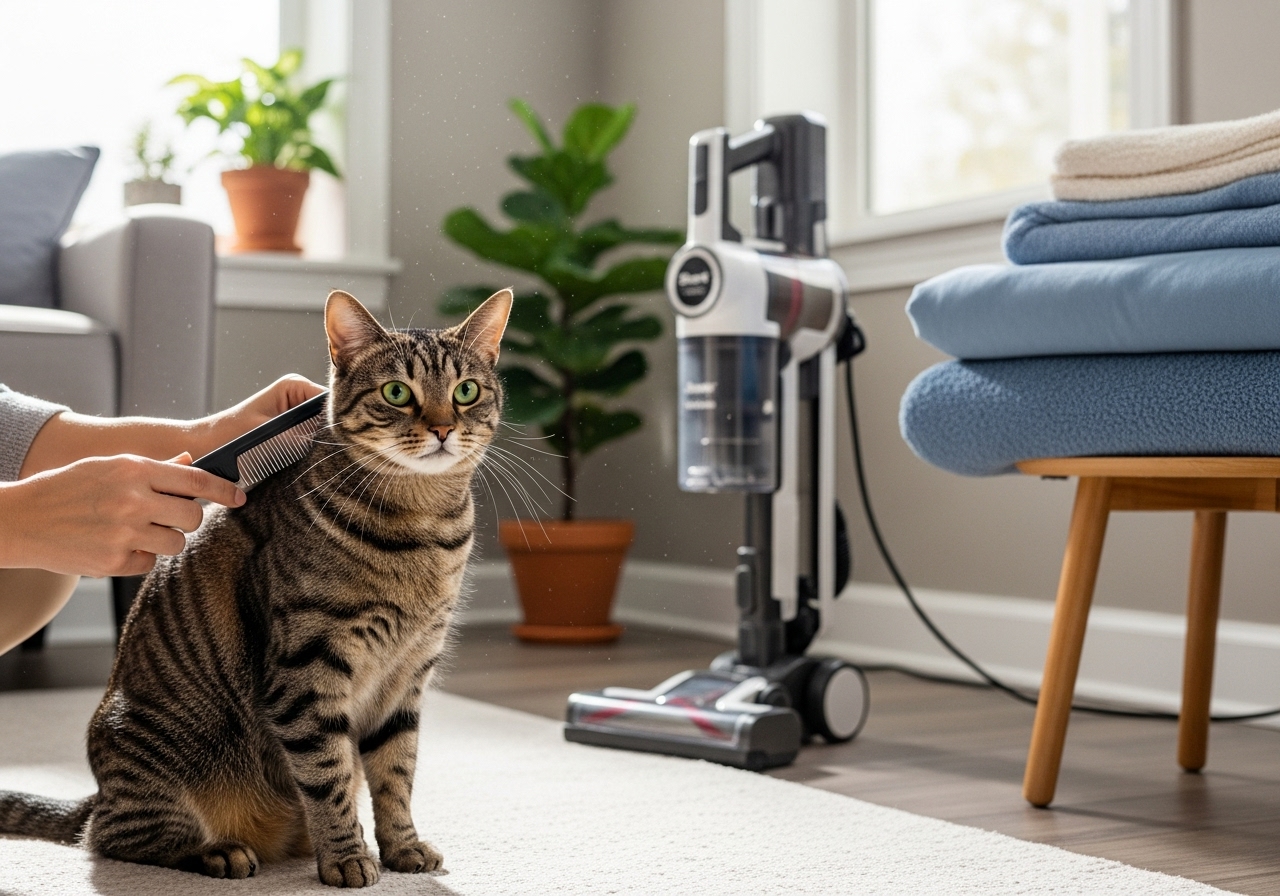
Cats are naturally clean creatures and will avoid soiled areas. If the litter box is full of waste, emits a strong ammonia-like smell, or isn’t scooped daily, your cat may look for a fresher spot. Even if you change the litter completely once a week, clumping litter needs daily attention—otherwise, lingering odors and waste build‑up become unacceptable to a sensitive feline nose. To keep your cat using the box consistently, scoop at least once a day, fully replace the litter weekly, and wash the tray with mild, unscented soap every month.
Medical Issues
A sudden shift in bathroom habits often points to an underlying health issue. Conditions such as urinary tract infections (UTIs), bladder stones, diabetes, and chronic kidney disease can cause pain, increased urgency, or more frequent urination. When elimination hurts, cats learn to associate the litter box with discomfort and will seek out softer or cooler surfaces—like tile or carpeting—to relieve themselves. If you notice straining, blood in the urine, vocalizing while peeing, or your cat spending excessive time in the box without producing much urine, schedule a veterinary exam promptly to rule out medical causes.
Stress or Anxiety
Cats thrive on predictability; any sudden change can upset them. Moving to a new home, adding a baby or another pet, having construction noise, or altering your daily routine can all trigger stress. In response, some cats mark territory or eliminate outside the box as a coping mechanism. Their urine carries pheromones that signal “this area is mine,” offering a sense of control in an uncertain environment. To help your cat adjust, provide extra hiding spots, maintain regular feeding and playtimes, and consider using feline pheromone diffusers to soothe anxiety.
Unfamiliar Litter
Cats develop strong preferences for the texture, scent, and depth of their litter. A switch from clay to crystal, a scented variety, or even a different brand can be unsettling. Some litters are too dusty, others too coarse, and heavily perfumed options may irritate sensitive noses. If you change litter, do so gradually—mix increasing amounts of the new litter with the old over a week or two. Observe your cat’s reaction and stick with a fine-grained, unscented clumping formula if possible.
Poor Box Location
Privacy and quiet are paramount for cats when they eliminate. Placing the litter box near washing machines, busy hallways, or beneath noisy appliances can make a cat feel vulnerable. They prefer a calm, well-ventilated area where they won’t be startled mid‑use. Aim for a low‑traffic corner or a separate room, and ensure the entrance is easily accessible. Avoid cramped closets or areas where a scared cat might feel trapped.
Insufficient Number of Boxes
The general rule is one litter box per cat, plus one extra—so two cats need three boxes. In multi‑cat households, a single box often leads to territorial disputes: a dominant cat may block access, forcing others to relieve themselves elsewhere. Spread boxes throughout your home—in different rooms or levels—so each cat has options. This reduces competition and ensures that no one feels barred from their private restroom.
Marking Territory
Spraying, or marking, differs from normal urination. Unneutered males are the most common offenders, but females may also mark when in heat or under stress. Marking involves small, vertical sprays of urine—often on walls, furniture legs, or windows—rather than the full squat position. It’s a social signal cats use to stake territorial claims and communicate reproductive status. If marking is the issue, neutering or spaying, combined with stress reduction tactics and removing scent trails, usually curbs the behavior.
Effective Ways to Fix the Problem
Once the cause is clear, you can apply the right solution. Here are the most effective ways to stop your cat from peeing outside the box:
- Clean the Litter Box Often
Scoop waste at least once daily. Clean the box with unscented soap once a week. Cats prefer a clean, odor-free space.”
- Rule Out Medical Issues
If your cat is healthy, it will return to proper habits once the environment is fixed. A vet exam is essential if the behavior is new or includes signs like:
- Blood in urine
- Straining to pee
- Crying during urination
- Frequent small puddles
Do not assume it’s a behavioral issue without first checking for illness.
- Provide a Calm Space
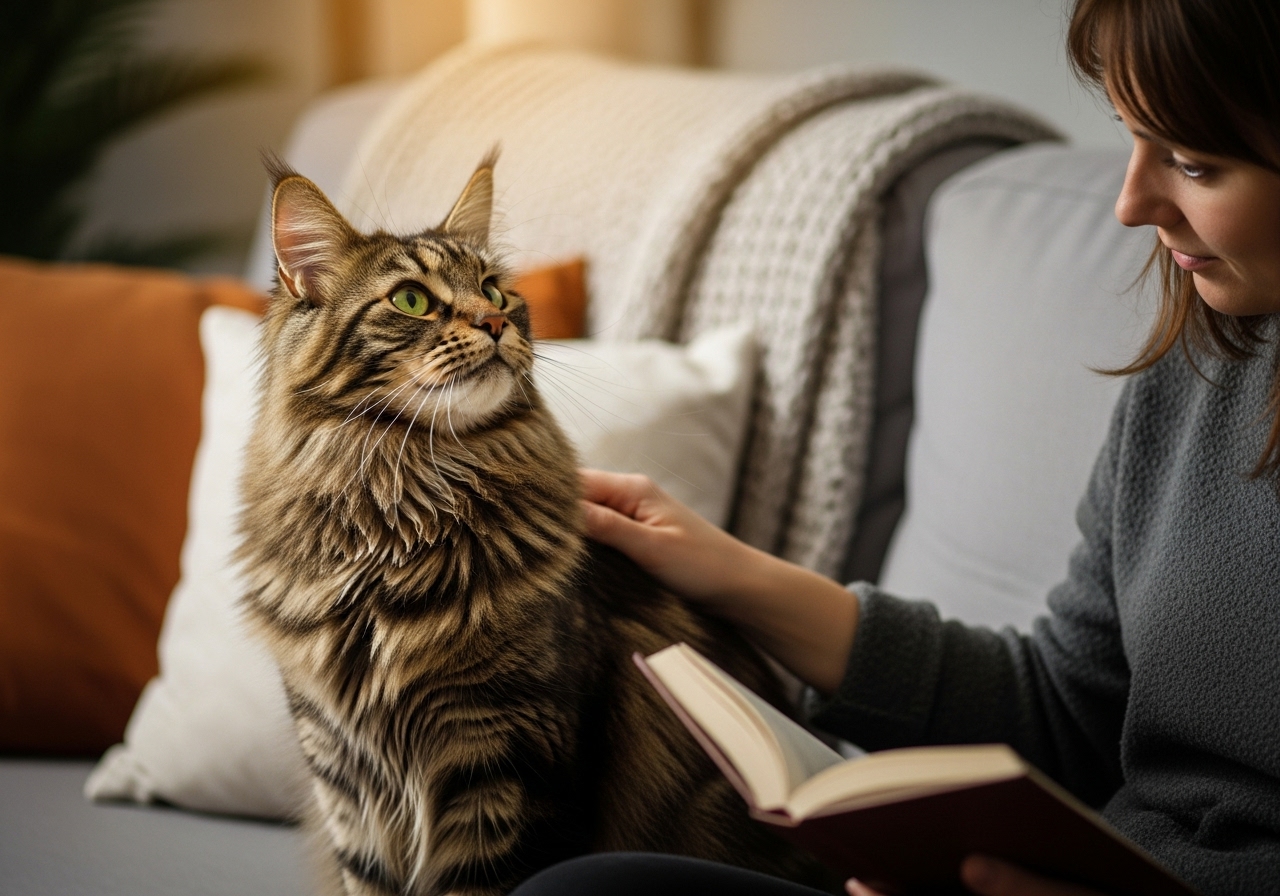
Reduce stress by creating a calm, quiet environment. Keep daily routines the same. Give your cat hiding spots and a peaceful place to rest. Use soft bedding and gentle interaction.
- Switch to a Preferred Litter
Most cats like unscented, soft-textured, clumping litter. Avoid sharp or heavily scented types. If unsure, offer two kinds in separate boxes and let your cat choose.
- Place the Box in a Quiet Area
Avoid putting the box near loud appliances, entryways, or food bowls. Choose a low-traffic area where your cat feels safe. Keep the path to the box clear at all times.
- Add More Boxes
The rule is one litter box per cat, plus one extra. Place boxes on different floors or in other rooms. This prevents conflict and ensures access at all times.
- Use Enzymatic Cleaners
Clean any urine spots with a product made to remove pet odors. Regular cleaners may leave behind a smell your cat can still detect. This can lead to repeated accidents in the exact location.
- Spay or Neuter Your Cat
Spaying and neutering reduce the chance of marking behavior. Fixed cats are less likely to spray and are usually calmer.
- Limit Access to Trouble Areas
If your cat always pees in one spot, block access. Close doors or place a litter box in that area temporarily. Clean the area thoroughly to remove the scent.
Preventing Future Accidents
Once the behavior stops, prevention becomes the goal. Here are simple tips to keep your cat using the box:
- Keep the litter box clean and dry.
- Avoid sudden changes in litter or box location.
- Watch for changes in your cat’s behavior or mood.
- Give your cat quiet, private spaces to rest.
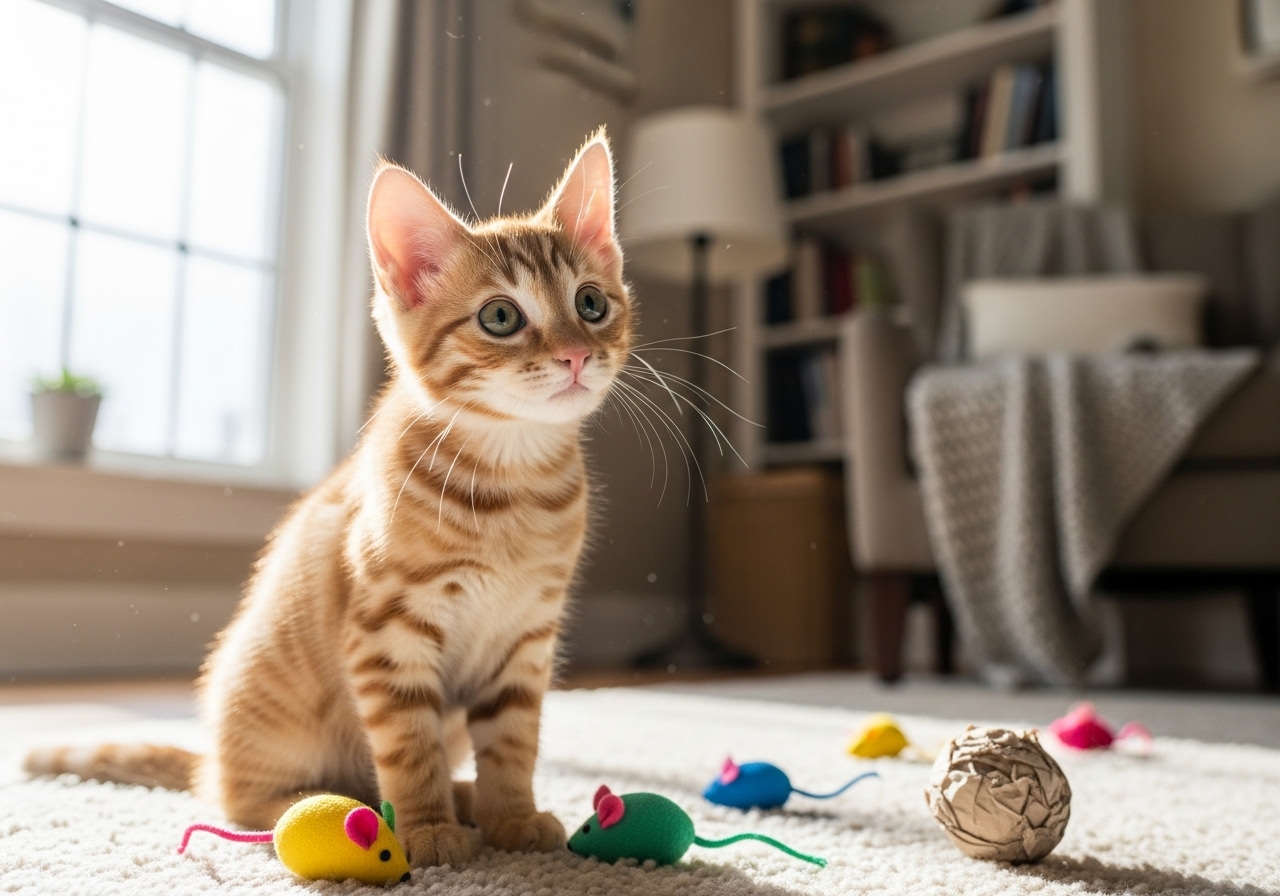
- Utilize playtime and toys to alleviate stress and enhance comfort.
- Provide enough litter boxes for the number of cats in your home.
If you need more support for your cat’s behavior, visit Animal Wellness Academy for expert tips and trusted advice on solving common cat behavior issues. Learn how to care for your cat with clear, step-by-step guidance that helps both you and your pet live better, together.
Frequently Asked Questions:
Why does my cat pee right next to the litter box?
The box may be too small, too dirty, or in the wrong place. It may also mean the cat has trouble entering the box due to age or pain.
Should I punish my cat for peeing outside the box?
No. Punishment instills fear and exacerbates the problem. Always use calm redirection and positive steps.
What is the best litter box size for adult cats?
Choose a box that is at least 1.5 times the length of your cat from nose to tail. Bigger is usually better.
How long does it take to fix this behavior?
If the cause is simple, you may see improvement in a few days. For medical or stress-related cases, it may take a few weeks with consistent care.
Can older cats develop new litter box problems?
Yes. Older cats may experience arthritis or other illnesses. They may also need a low-sided box for easier access.
Each solution is simple but powerful. Pay attention to your cat’s actions. Fix what needs fixing. Your cat wants to use the box; your job is to make it easy and comfortable to do so.
Final Thoughts
A cat peeing outside the litter box is a sign that something is wrong. Most of the time, it is a clean-up issue, a health problem, or a stress response. By keeping the litter box clean, checking for medical problems, and creating a calm space, you can help your cat return to good habits.