
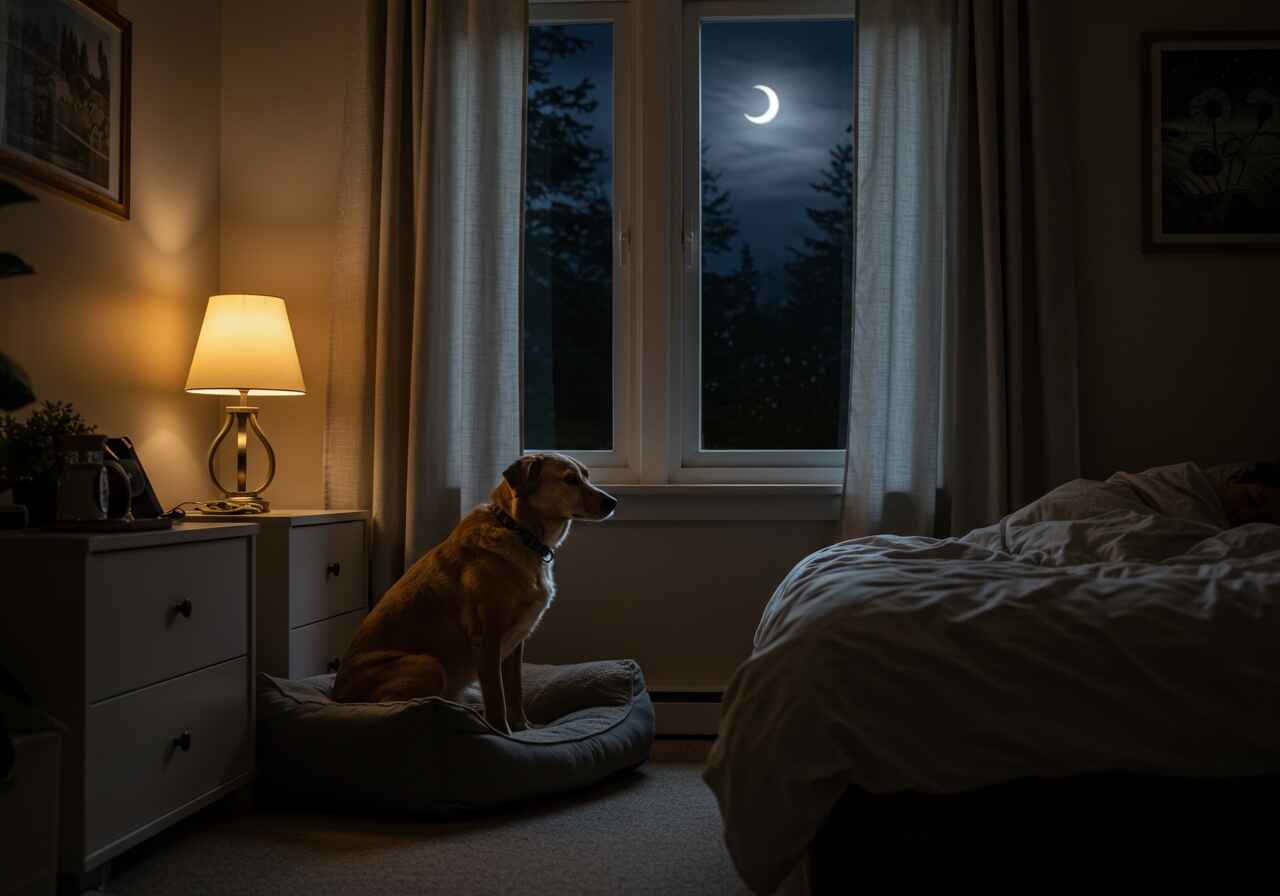
Barking is natural for dogs, but constant night barking can quickly become a problem. It disrupts sleep, frustrates neighbors, and may even cause stress for your pet. If your dog won’t stop barking at night, it’s a signal that something deeper is going on.
This guide will help you understand why dogs bark at night and share easy, safe, and effective ways to calm them down. With patience and consistency, you can turn noisy nights into peaceful rest.
Why Is My Dog Barking at Night?
Dogs don’t bark without a reason. If your dog keeps barking after dark, figuring out the cause is the first step to stopping it. Here are some of the most common reasons dogs bark at night:
- Boredom: A dog with too much energy will often bark for attention or release.
- Loneliness: Being alone for hours can trigger separation anxiety barking.
- Noises: Dogs hear more than humans; even wind, cars, or wildlife can set them off.
- Fear or confusion: Darkness and strange sounds can scare young or anxious dogs.
- Health issues: Pain, restlessness, or age-related changes can all cause night barking.
Understanding these triggers helps you plan the right solution.
Keep Your Dog Busy During the Day
One of the best ways to stop dog barking at night is to prevent boredom. A dog that burns energy during the day is more likely to rest at night.
Simple ways to help include:
- Daily morning and evening walks
- Fun games like fetch or tug-of-war
- Puzzle feeders and mental workouts to stimulate their brain
If your dog is tired, there’s less chance of nighttime barking.
Set a Night Routine
Dogs thrive on structure, and a clear routine helps them feel secure. If your puppy or adult dog knows what to expect, it reduces anxiety and unnecessary barking.
- Serve dinner around the same time every evening
- Take a final bathroom break or short walk
- Keep lights dim and the home quiet before bedtime
A routine signals to your dog: it’s time to settle, not bark.
Create a Cozy Sleeping Spot
Sometimes, how to calm a dog at night is as simple as giving them a safe, comfortable place to rest.
- Use a crate, bed, or favorite corner
- Add soft blankets and a comfort toy
- Keep the environment dark and quiet
When your dog feels secure in their space, they’re less likely to bark for attention.
Block Outside Distractions
Dogs often bark at sounds or sights they detect outside. Limiting these triggers makes a big difference.
- Close curtains or blinds at night
- Play soothing background noise like white noise or calm music
- Keep your dog away from doors and windows
This creates a calm setting and reduces barking caused by outside disturbances.
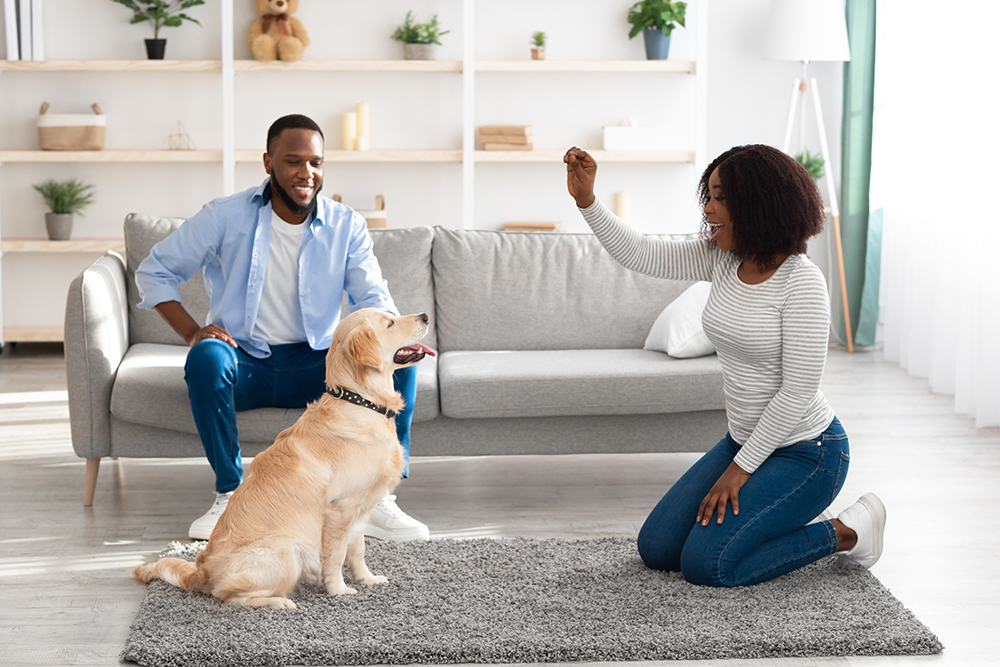
Use the “Quiet” Command
Training is a long-term solution for excessive barking at night. Teaching a clear cue helps your dog understand what you expect.
- When your dog barks, calmly say “Quiet”
- Wait until they stop, even for a second
- Reward with a treat or praise
- Repeat consistently
With patience, your dog will learn that silence brings rewards.
Don’t Reward Barking
If your dog barks for attention and you give it, you’re teaching them that barking works. This is why many owners accidentally reinforce bad behavior.
- Don’t yell—it sounds like barking back
- Don’t give food or affection while they bark
- Only reward your dog when they’re calm and quiet
Over time, they’ll learn that silence gets attention, not barking.
Natural Calming Tools
If your dog still struggles with anxiety, natural aids can help. These don’t replace training but may reduce stress that causes barking.
- Dog-calming collars or pheromone diffusers
- Pet-safe lavender sprays
- Vet-approved calming chews or treats
Always check with your veterinarian before starting any calming products.
Check for Pain or Discomfort
Sometimes barking isn’t about behavior—it’s about health. Sudden barking at night may signal pain or illness.
Look for warning signs:
- Limping or stiffness
- Barking at nothing visible
- Changes in eating or drinking habits
If you notice these, schedule a vet visit. Barking can be a cry for help.
Keep Mealtimes Early
Feeding too late can leave your dog restless at night. Try adjusting their schedule:
- Feed dinner 2–3 hours before bedtime
- Allow enough time for digestion and a potty break
- Avoid treats or play that excites them just before sleep
An earlier meal helps prevent late-night restlessness.
Use a Bark Log
Tracking barking patterns gives you clues to the root cause. This is especially useful if you want to know how long does barking last or what triggers it.
Example log:
| Time | Duration | Possible Cause |
|---|---|---|
| 11:00 PM | 10 mins | Saw a cat outside |
| 2:30 AM | 5 mins | Heard a loud car |
With just a few days of notes, you’ll start seeing patterns you can fix.
When to Call for Help
If you’ve tried home solutions and your dog still barks excessively at night, it may be time for professional guidance.
Consider reaching out to:
- A certified dog trainer
- A veterinary behaviorist
- A canine behavior expert
These professionals can address stubborn issues like separation anxiety barking or fear-based behavior.
FAQs About Night Barking in Dogs:
What is the most common reason dogs bark at night?
The most common reason is boredom or extra energy. Dogs that don’t get enough play or exercise during the day often bark more at night.
Should I ignore my dog when it barks at night?
Yes, if your dog is barking for attention, ignoring them helps teach that barking doesn’t work. Wait until your dog is quiet, then reward with praise or a treat.
Can I use treats to stop barking?
Yes, but only reward silence, not barking. Use treats after your dog stops barking. This teaches them that staying quiet brings good things.
Are barking collars safe to use at home?
No, most experts do not recommend bark collars. They can cause fear or stress. Instead, use calm training and create a peaceful routine.
How long does it take to stop night barking?
It depends on the dog. Some improve in a few days, others take weeks. Be patient and consistent with training and routines.
Final Thoughts
Night barking isn’t just noisy. It’s often a sign your dog needs something: exercise, comfort, or calm. You can fix it with a mix of care, structure, and innovative tools.
Always remember to stay consistent, kind, and keep it simple.
With a few changes, both you and your dog can enjoy peaceful, quiet nights.
Animal Wellness Academy can help you understand your dog better. They offer simple, science-based courses for pet parents. Learn how to improve your dog’s behavior, sleep, and happiness from home!
Visit Animal Wellness Academy and take the first step today.