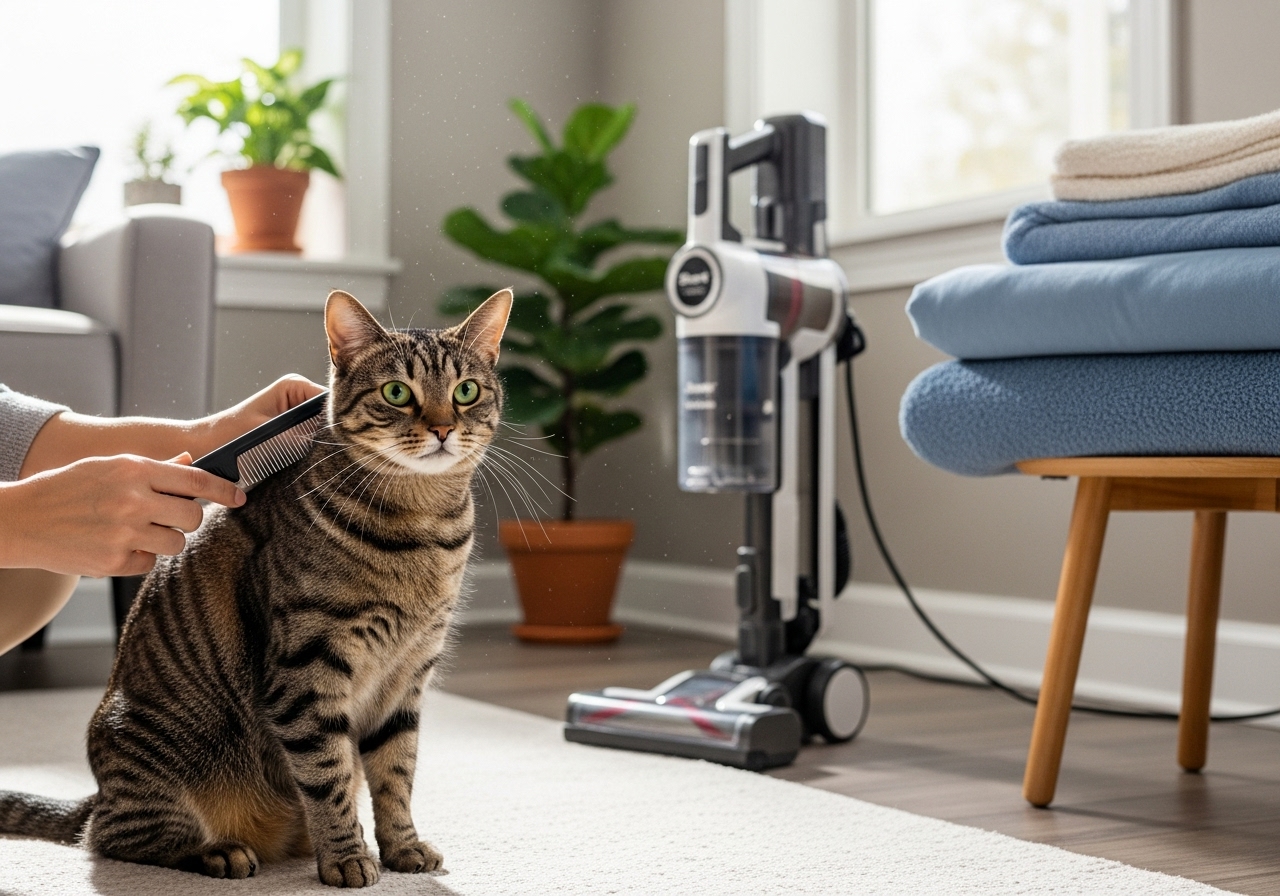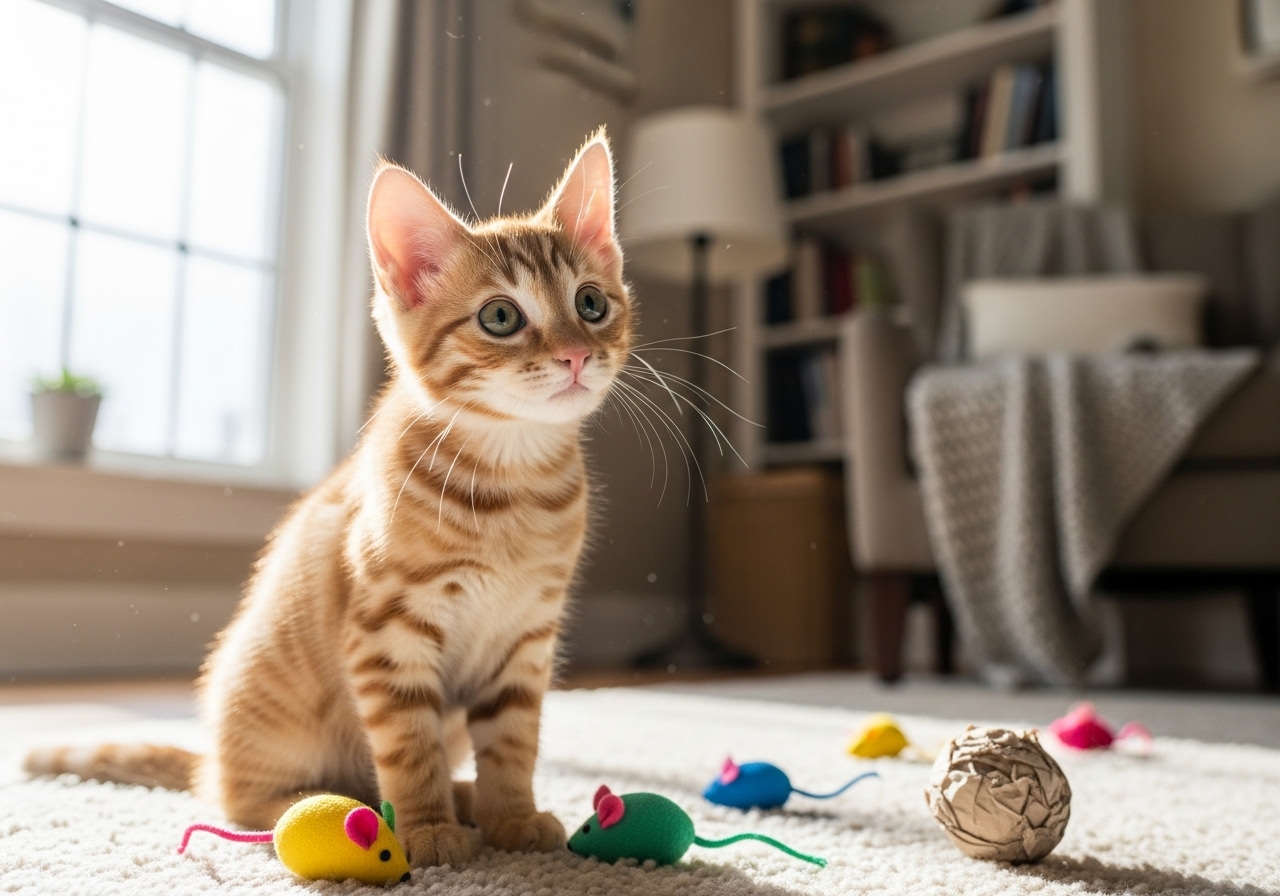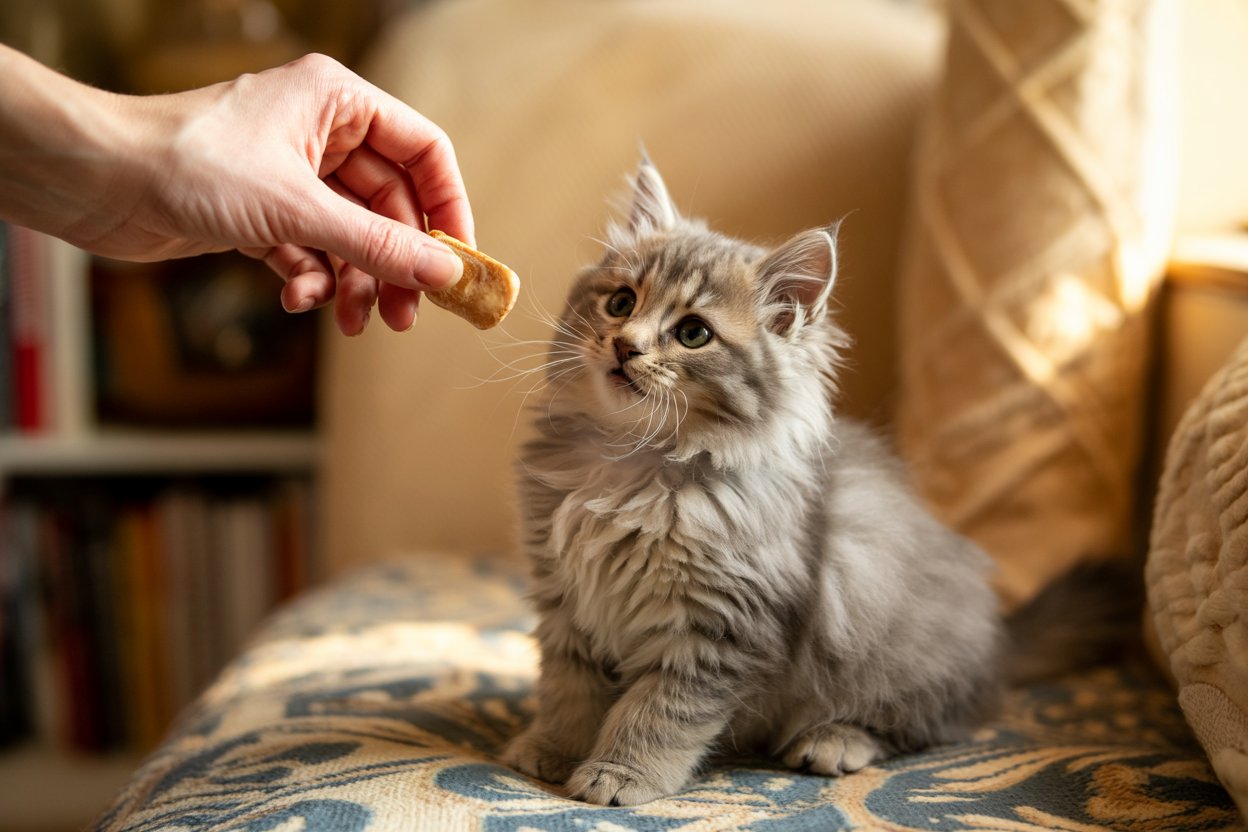
Training a kitten is one of the most critical steps in early pet care. It sets the foundation for a calm, friendly, and well-mannered adult cat. Many behavior issues in older cats can be avoided by guiding a kitten in the right direction during its first few months of life.
This guide will show you how to train your kitten using simple methods. Each step is based on understanding your kitten’s natural needs and instincts. With consistency and patience, you can teach your kitten good habits that last a lifetime.
Why Early Training Matters
Kittens learn quickly between the ages of 8 and 16 weeks. This period is ideal for shaping behavior. At this age, kittens are curious, active, and open to learning. If trained well, they will grow up to be social, confident, and easy to manage.
Delaying training can lead to problems such as biting, scratching, litter box issues, and fear of people or other pets. Early guidance prevents these habits from forming.
Step 1: Litter Box Training
Using a litter box is one of the first things your kitten needs to learn. Most kittens are naturally drawn to using a box, but some need help in the beginning.
How to train your kitten to use the litter box:
- Place the box in a quiet, easy-to-access location.
- Use unscented, clumping litter for a natural feel.
- Scoop waste daily and clean the box weekly with mild soap and warm water.
- Place your kitten in the box after naps and meals.
If an accident happens, do not yell or punish. Gently place the kitten in the box to reinforce the behavior.
Step 2: Encourage Scratching in the Right Place
Scratching is a natural behavior. Cats scratch to stretch, mark their territory, and maintain healthy claws. Kittens need to learn where scratching is allowed.
Tips to train your kitten to scratch correctly:
- Provide scratching posts made of sisal, cardboard, or rough wood.
- Place the post near furniture or other areas where your pet likes to scratch.
- Encourage use with treats or catnip.
- Reward your kitten when it uses the potty.
If your kitten scratches furniture, calmly redirect them to the post.
Step 3: Teach Bite Control
Kittens often bite during play. This behavior can become a problem if not corrected early. Teach your kitten that hands are not toys to play with.
To stop biting:
- Avoid using hands or fingers for play.
- Use small soft toys instead.
- If your kitten bites, say “No” firmly and stop the play.
- Ignore your kitten for a few minutes to send a clear message.
Repeat this each time. With consistency, your kitten will learn that biting ends the fun.
Step 4: Introduce Basic Commands
Kittens can learn simple commands, such as “come,” “no,” and “stay.” These help with control and communication.
How to teach basic commands:
- Use short, clear words in a calm tone.
- Say the command, then guide the kitten to the behavior.
- Reward with a small treat or gentle petting.
Practice daily. Sessions should be short—5 to 10 minutes is enough.
Step 5: Socialize Your Kitten
Socialization helps your kitten become calm and friendly. It reduces fear and builds trust. Expose your kitten to different people, sounds, and situations while it’s young.
Tips for proper socialization:
- Invite friends to meet your kitten.
- Introduce your kitten to gentle dogs or other pets (supervised).
- Let your kitten hear everyday household noises, such as vacuum cleaners or doorbells.
- Offer treats and speak softly during new experiences.
Avoid overwhelming your kitten. Start slow and keep things positive.
Step 6: Set Consistent Rules
Kittens learn best when rules stay the same. If jumping on the counter is not allowed, it must never be allowed—not even once.
How to enforce rules:
- Use the exact words and actions every time.
- Block off restricted areas with doors or barriers.
- Offer alternatives, such as a window perch or play mat.
Do not confuse your kitten with mixed messages. Consistency helps them understand what is right and wrong.
Step 7: Use Positive Reinforcement
Rewarding good behavior is more effective than punishing bad behavior. Give your kitten a reason to repeat the right actions.
Positive reinforcement examples:
- Give a treat after your cat uses the litter box.
- Praise your kitten for using a scratching post.
- Offer a toy after the dog obeys a command.
Avoid punishment. It causes fear and damages trust.
Step 8: Build a Routine
Kittens feel more secure with a routine. Feed, train, and play with your kitten at the exact times each day. A steady routine supports learning and reduces anxiety.
Routines also help with litter box habits and sleeping patterns.
Step 9: Manage Unwanted Behavior
Kittens sometimes show behavior like jumping, meowing too much, or scratching things they shouldn’t. These actions can be corrected with redirection.
How to manage this:
- Say “No” in a calm, firm voice.
- Move the kitten to the correct area or take the necessary action.
- Reward the correct behavior.
Always stay calm. Never yell or strike your kitten. Want more proven and straightforward kitten training tips? Visit Animal Wellness Academy to access practical guides, expert advice, and trusted resources. Learn how to raise a well-behaved, happy cat using kind and effective methods.
Frequently Asked Questions:
What is the best age to start training a kitten?
You can start training your kitten at 8 weeks old. At this age, kittens are more open to learning and can form good habits quickly.
How do I stop my kitten from biting during play?
Stop playing immediately when your kitten bites. Say “No” in a firm voice and give a toy instead. Repeat this each time your kitten bites.
How many training sessions should I do per day?
One to two short sessions per day are enough. Keep each session 5 to 10 minutes long to match your kitten’s short attention span.
Why is my kitten not using the litter box?
Check if the box is clean, easily accessible, and placed in a quiet area. Make sure you are using unscented, soft litter. If problems continue, consult a vet.
Can kittens learn commands like dogs?
Yes, kittens can learn simple commands such as “come” or “no” when trained with positive reinforcement and daily practice.
Final Thoughts
Training a kitten is simple if you stay consistent. Use clear commands, offer rewards, and set rules early. Avoid punishment and focus on teaching the correct behavior. A trained kitten becomes a happy, well-behaved adult cat.
Kittens are fast learners. With daily effort, you’ll see progress quickly. Start with the basics and build habits one step at a time.