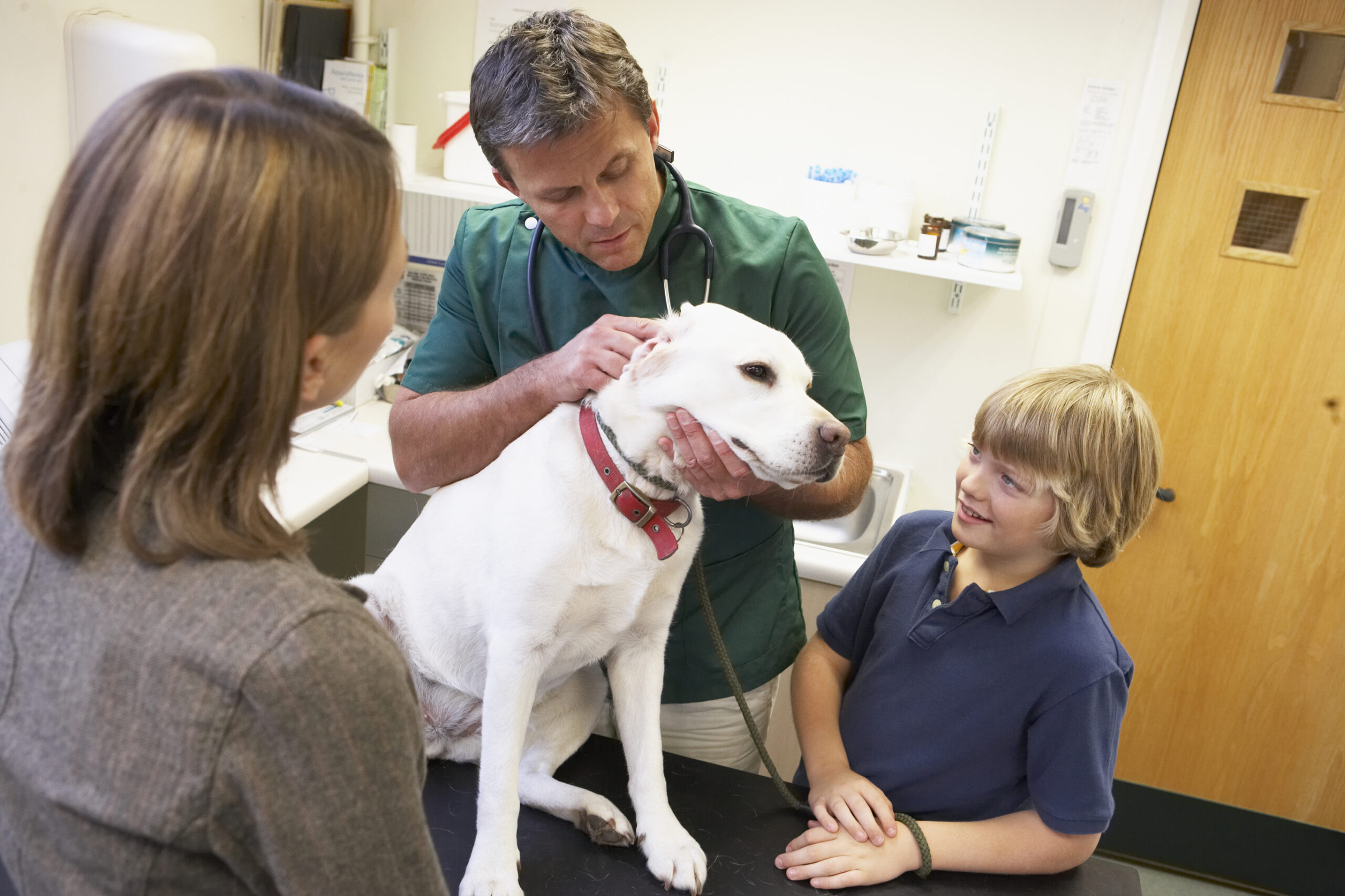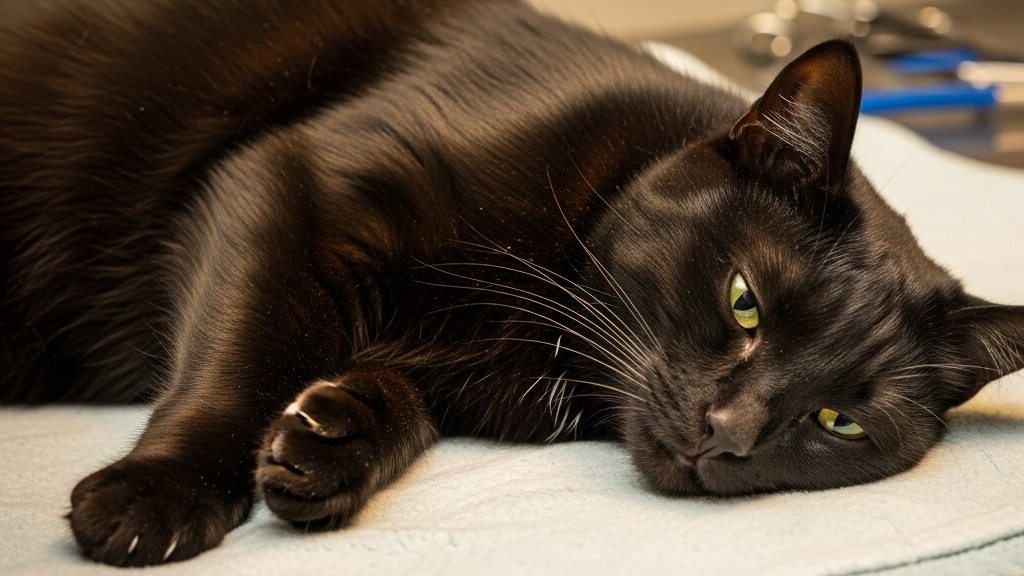
Ascites in cats requires a thorough diagnostic workup and multifaceted treatment approach. While conventional veterinary medicine remains the cornerstone of management, integrating complementary therapies can enhance patient outcomes and quality of life.
Understanding the Underlying Causes
Before implementing any treatment plan, identifying the root cause of ascites is essential. Common causes include hepatic disease, cardiac conditions, neoplasia, infectious diseases like toxoplasmosis, and inflammatory conditions such as peritonitis. Vascular abnormalities, including caudal vena caval or hepatic vein obstruction, though rare, can also lead to fluid accumulation in cats.
Clinical signs typically include abdominal distention, respiratory distress, decreased appetite, and lethargy. Some cats may present with additional symptoms like hepatomegaly, weakness, or exercise intolerance depending on the underlying condition.
Conventional Treatment Foundation
The primary treatment approach focuses on addressing the underlying disease process. This may include:
- Diuretic therapy to reduce fluid retention
- Dietary sodium restriction to minimize fluid accumulation
- Therapeutic abdominocentesis for symptomatic relief
- Targeted therapy for specific conditions (antibiotics for infectious causes, chemotherapy for neoplasia)
- Cardiac medications when heart disease is involved
Integrative Treatment Considerations
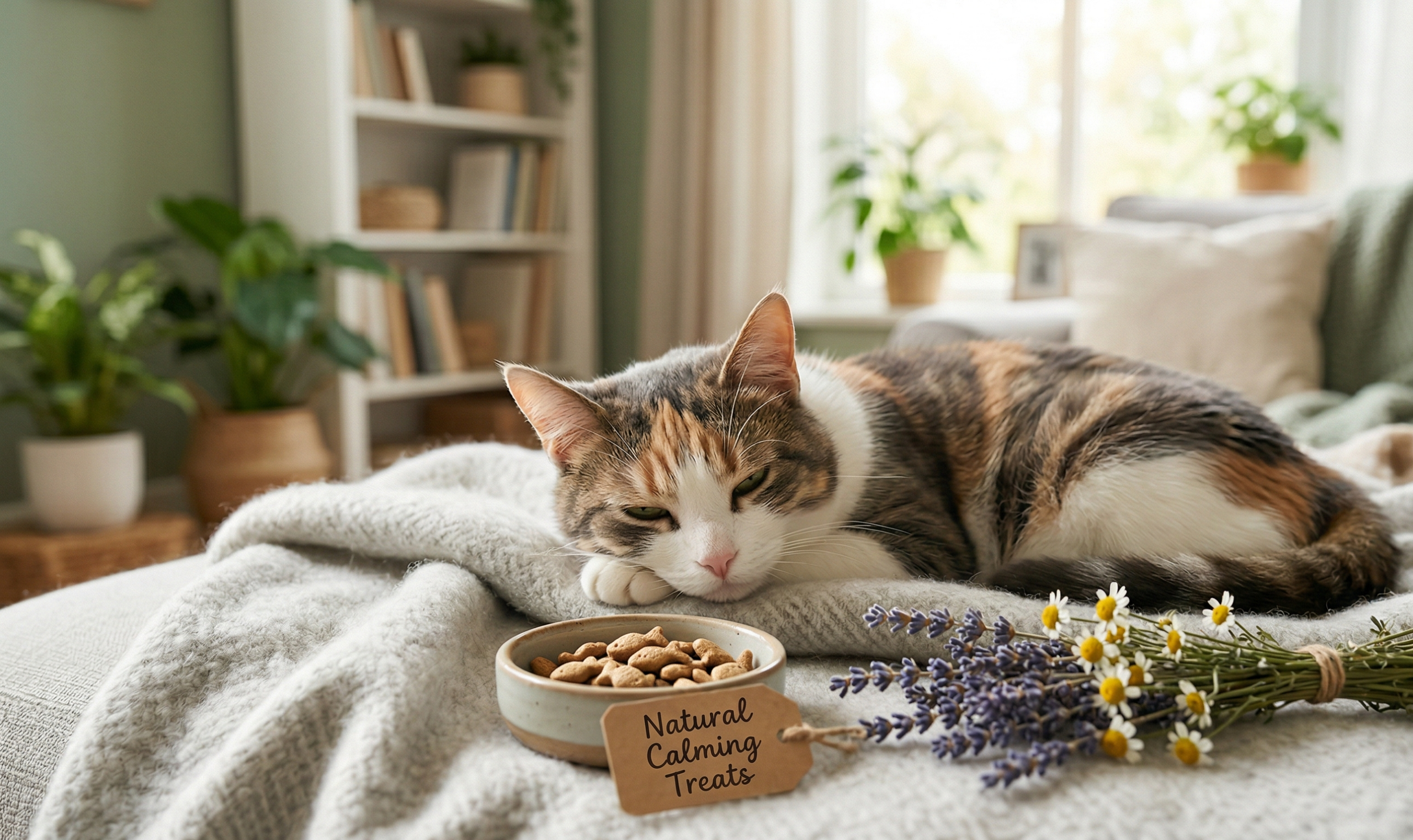
Nutritional Support: Beyond sodium restriction, consider implementing anti-inflammatory diets rich in omega-3 fatty acids. Milk thistle (silymarin) may provide hepatoprotective benefits, particularly in cases with liver involvement. Always ensure any supplements are veterinary-approved and appropriately dosed.
Acupuncture: Traditional acupuncture may help reduce inflammation and improve circulation. Some practitioners report benefits in managing fluid retention when used alongside conventional treatments.
Herbal Medicine: Certain herbs like dandelion leaf may provide gentle diuretic effects, though these should never replace prescribed medications. Hawthorn may offer cardiac support in appropriate cases.
Stress Reduction: Environmental enrichment and stress management techniques can support overall immune function and treatment compliance.
Regular monitoring of electrolytes, kidney function, and overall patient status remains crucial. Some herbal supplements can interact with conventional medications or may be contraindicated in certain disease states.
Conclusion
Successful management of feline ascites requires addressing both the underlying pathophysiology and the patient’s overall well-being. While conventional medicine provides the essential foundation for treatment, carefully selected integrative therapies enhance patient comfort and treatment outcomes.