
Diarrhea is one of the most common health issues dog parents face. While it’s often a minor problem that resolves on its own, knowing how to manage it at home and when to call your veterinarian can make a big difference in your furry companion’s comfort and recovery.
Understanding the Causes
Diarrhea in dogs can happen for many reasons. Simple causes include eating something they shouldn’t have, sudden changes in food, or eating too much. Sometimes stress or minor stomach upset can trigger loose stools. These cases usually improve within a day or two with basic home care.
Approaches to Diarrhea Management
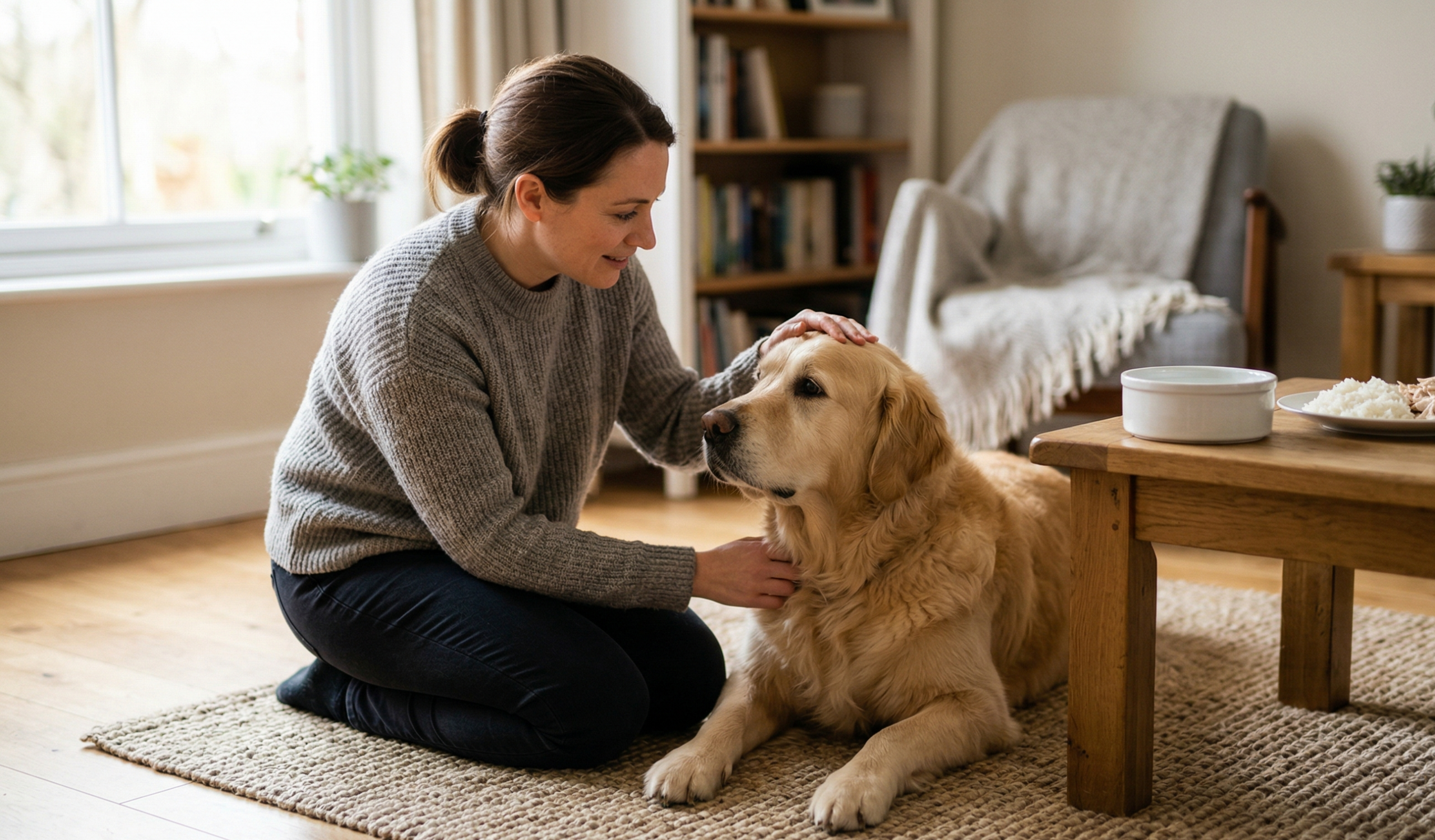
For mild cases of diarrhea in otherwise healthy dogs, you can try some gentle approaches at home. Consider fasting your dog for 12 hours (but always provide fresh water) to give their digestive system a rest. After fasting, introduce a bland diet of boiled chicken and rice in small, frequent meals. The 12 hour fasting period should only be done with adult dogs in good health – puppies and small dogs can develop low blood sugar issues if fasted too long.
Some dog parents find that adding plain canned pumpkin (not pie filling) to meals can help firm up stools thanks to its fiber content. Probiotics designed for dogs may also support digestive health, though you should discuss options with your veterinarian first.
Keep your dog well-hydrated, as diarrhea can lead to dehydration quickly. Make sure fresh water is always available. You might also offer ice cubes if your dog isn’t drinking enough.
Warning Signs: When to See Your Vet
While mild diarrhea often resolves on its own, certain situations require professional attention. Contact your veterinarian immediately if you notice:
- Blood in the stool or very dark, tarry stools
- Diarrhea lasting more than 24-48 hours
- Vomiting along with diarrhea
- Signs of pain or discomfort
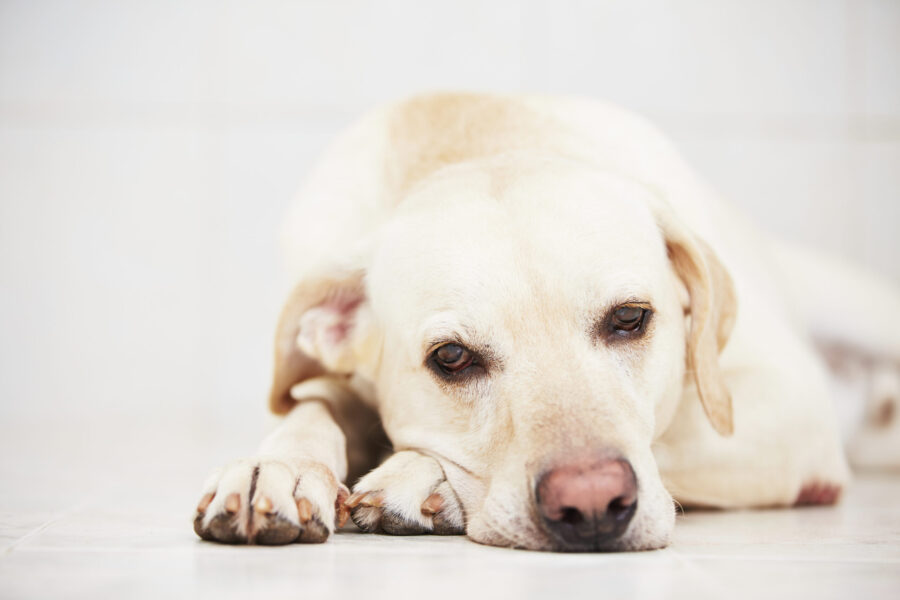
- Lethargy or depression
- Loss of appetite
- Dehydration (dry gums, sunken eyes)
- Fever
Young puppies, senior dogs, and those with existing health conditions need veterinary care sooner, as they’re more vulnerable to complications.
It’s important to monitor your canine companion closely. If symptoms persist or worsen, don’t hesitate to seek professional help. Your veterinarian can diagnose the underlying cause and provide appropriate treatment, which might include medications, dietary changes, or further testing.
Remember, you know your dog best. Trust your instincts—if something seems wrong, it’s always better to get a professional opinion than to wait and risk complications.