
Orthopedic surgeries in small-breed dogs present unique challenges for veterinarians. These patients often have limited physiological reserves, making effective pain control not only a matter of comfort but also of survival and recovery. Recent evidence highlights the superiority of multimodal analgesia in managing postoperative pain compared to single-drug protocols.
Key Findings from the Study
- Multimodal analgesia (local anesthetics + hydromorphone + meloxicam) provided the fastest and most complete pain relief. All dogs achieved pain resolution within 48 hours.
- Hydromorphone alone showed comparable efficacy but carried a higher risk of adverse effects such as sedation and respiratory depression.
- Tramadol–lidocaine–ketamine delayed pain relief and was associated with the highest rate of severe side effects.
- Carprofen and butorphanol alone were less effective, with slower pain resolution and incomplete relief in many cases.
This evidence strongly supports the routine use of multimodal analgesia, especially in invasive orthopedic procedures, to improve recovery outcomes and reduce suffering.
Why Multimodal Works Better
By combining drugs that act on different pain pathways, multimodal analgesia achieves:
- Enhanced efficacy through synergistic effects.
- Reduced dosages of individual drugs, lowering the risk of toxicity.
- Balanced safety, minimizing severe side effects compared to high-dose single-drug regimens.
Non-medication approaches:
- Cold therapy – Using ice packs in the first 24-48 hours after surgery to reduce swelling and numb the area
- Physical rehabilitation – Gentle exercises and stretching once healing begins
- Acupuncture – Some veterinary practices offer this as an additional pain control method
- Massage therapy – When appropriate and approved by your vet
- Laser therapy – Special medical lasers that can help reduce inflammation and pain
Environmental modifications:
- Providing a quiet, comfortable resting space
- Using soft bedding to cushion surgical sites
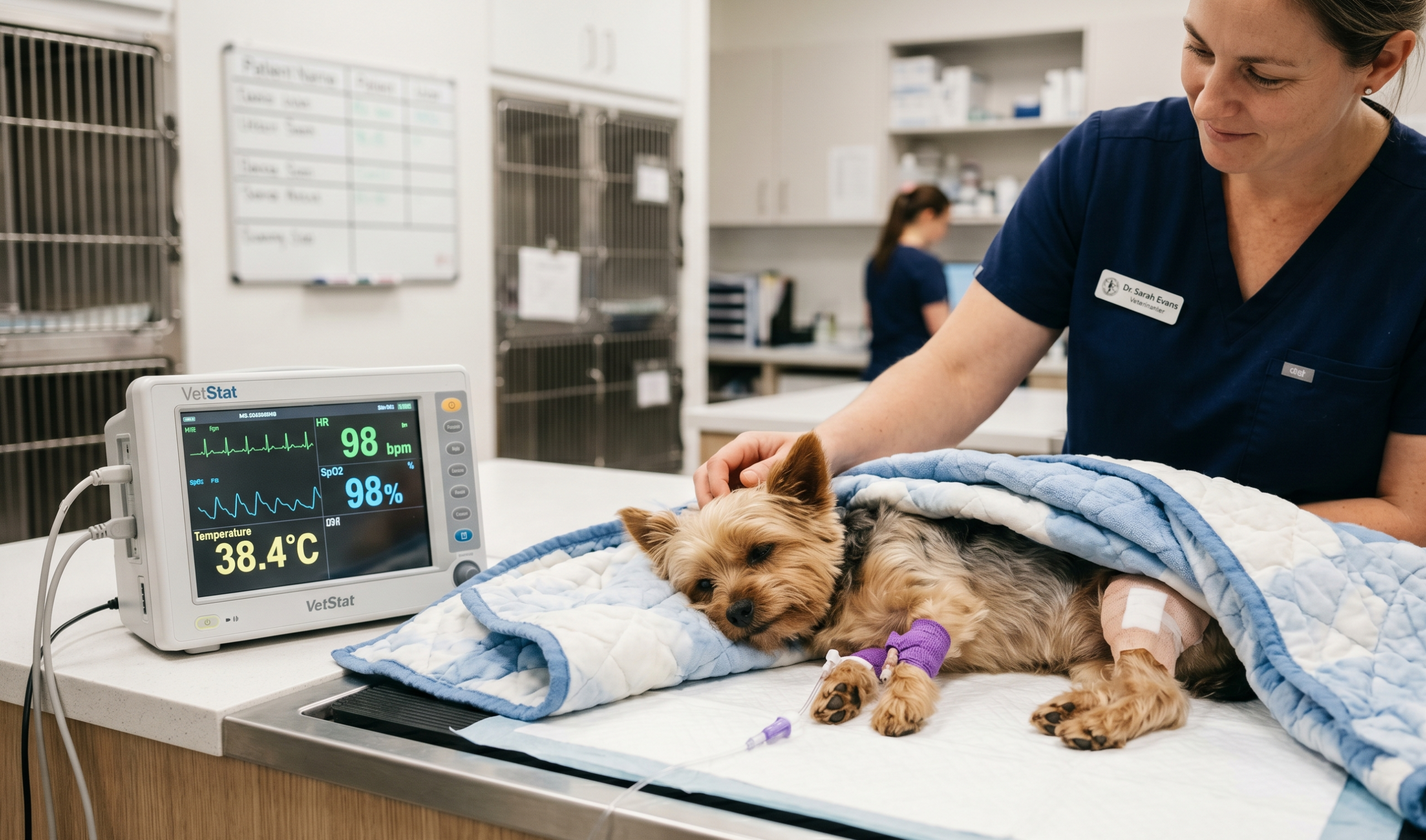
- Keeping dogs calm and limiting activity during recovery
Practical Takeaway for Veterinary Professionals
For small-breed dogs undergoing orthopedic surgery, multimodal analgesia should be the gold standard. Tailoring the protocol to the invasiveness of the procedure and the individual patient’s health status ensures optimal recovery. Complementary analgesia methods can further enhance outcomes, and improve overall patient welfare.