Kidney disease is one of the most common health issues affecting senior cats. When the kidneys stop working efficiently, waste products and toxins build up in the body, leading to fatigue, weight loss, and loss of appetite.
While there is no complete cure for chronic kidney disease (CKD), there are many natural treatments for kidney disease in cats that can improve comfort and slow progression. This guide explores safe, vet-approved ways to support your cat’s kidneys naturally.
Understanding Kidney Disease in Cats
The kidneys act as filters, removing toxins and balancing water, minerals, and electrolytes. When kidney function declines, the body struggles to maintain balance. Chronic kidney disease in cats develops gradually, often showing few symptoms until significant damage occurs.
Common Symptoms
- Increased thirst and urination
- Weight loss despite normal eating
- Vomiting or nausea
- Poor coat quality
- Bad breath or mouth ulcers
- Lethargy and dehydration
Early diagnosis is crucial. Routine blood and urine tests can detect kidney issues before symptoms worsen, giving you more options for holistic cat kidney disease treatment.
Why Natural Treatments Matter
Conventional medicine focuses on managing symptoms, but natural treatments for kidney disease in cats can work alongside your vet’s plan to enhance overall wellness. Holistic support helps by:
- Reducing inflammation in the kidneys
- Supporting hydration and toxin removal
- Enhancing energy and appetite
- Improving digestion and skin health
These natural methods—diet, hydration, and supplements—don’t replace vet care but create a more balanced, supportive environment for your cat’s healing.
If you’re new to natural feline care, consider reading about safe herbs for cats to understand which natural ingredients are beneficial for kidney and liver support.
Step-by-Step Natural Care Plan
Step 1: Keep Your Cat Hydrated
Cats with kidney disease often lose excess fluids through frequent urination. To prevent dehydration:
- Offer wet food instead of dry kibble.
- Add warm water or low-sodium broth to meals.
- Use a water fountain—some breeds are naturally drawn to moving water. (Learn more about hydration habits in cats).
- Keep multiple clean water bowls in quiet spots around your home.
Hydration is the single most effective way to reduce stress on the kidneys and improve energy levels.
Step 2: Create a Kidney-Friendly Diet
Diet plays a central role in kidney disease in cats home remedies. Choose foods that are moisture-rich and low in phosphorus, which helps prevent further kidney damage.
What to focus on:
- High-quality protein: Use lean animal sources like chicken or turkey.
- Moderate protein levels: Don’t over-restrict—cats still need protein to maintain muscle.
- Low phosphorus: Check labels for phosphorus content below 0.6% (dry matter basis).
- Add healthy fats: Omega-3 fatty acids support anti-inflammatory function.
Your veterinarian can recommend a prescription or homemade diet tailored to your cat’s stage of kidney disease.
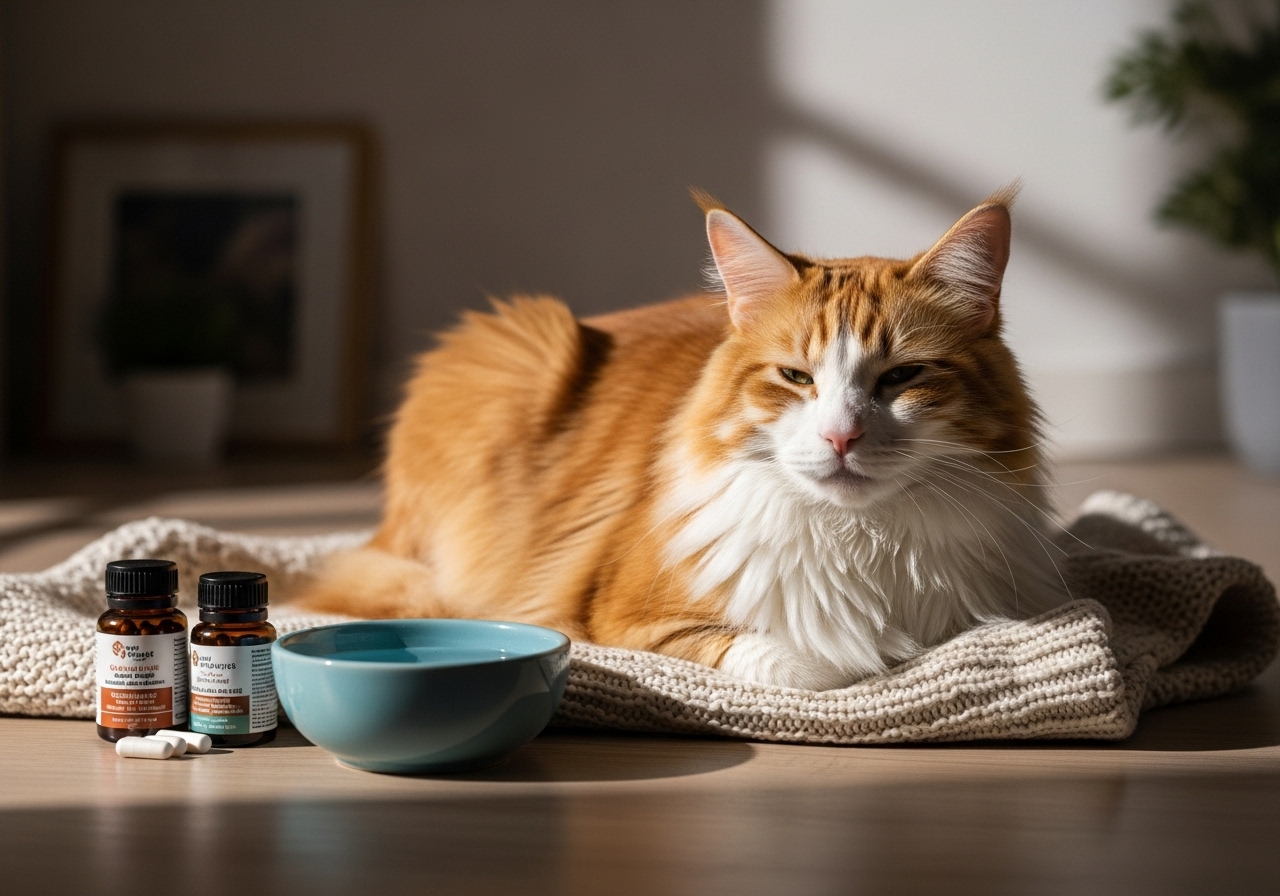
Step 3: Use Vet-Approved Natural Supplements
Adding supplements can further support your cat’s kidneys:
- Omega-3 fatty acids: Reduce inflammation and support joint and coat health.
- Probiotics: Improve gut health and reduce toxin buildup.
- Antioxidants (vitamin E, CoQ10): Protect cells from oxidative stress.
- Phosphate binders: Limit phosphorus absorption from food.
- Herbal support: Certain herbs—like astragalus and reishi—may aid kidney circulation under vet supervision.
If you’re interested in advanced natural methods, explore integrative veterinary care for feline conditions to see how holistic medicine complements modern treatment.
Step 4: Maintain a Calm, Supportive Environment
Stress affects every organ system, including the kidneys. Provide your cat with:
- Soft, warm resting areas away from noise
- Predictable feeding and play schedules
- Plenty of affection and gentle grooming
- A clean litter box and calm surroundings
Cats thrive on routine and stability, especially when managing chronic illness.
Natural Remedies and Holistic Therapies Comparison Table
| Treatment | Primary Benefit | Vet Notes |
|---|---|---|
| Wet, low-phosphorus diet | Reduces kidney stress, improves hydration | Transition slowly for best results |
| Omega-3 supplements | Anti-inflammatory and cardiovascular support | Use fish oil designed for cats |
| Probiotics | Improves gut and toxin balance | Choose feline-specific blends |
| Herbal blends | Natural kidney support | Use only under veterinary supervision |
| Fluid therapy | Maintains hydration and electrolyte balance | Requires vet guidance |
Practical Tips and Common Mistakes
✅ DO:
- Introduce diet changes gradually.
- Track water intake and urination patterns.
- Keep a health diary for appetite, mood, and energy.
🚫 AVOID:
- Using unverified human supplements.
- Over-restricting protein—this can cause muscle loss.
- Ignoring dental or blood pressure issues, which can worsen kidney function.
Consistency and close monitoring are key. You may not see immediate results, but with time, your cat can regain vitality and stability.
When to See Your Vet
If your cat stops eating, loses weight rapidly, or shows signs of vomiting or lethargy, consult your veterinarian immediately. Kidney disease can fluctuate, and professional monitoring ensures safe adjustments to natural and medical treatment plans.
FAQs
Can kidney disease in cats be treated naturally?
Natural treatments can support kidney function and comfort, but they should always complement veterinary care.
What is the best natural food for cats with kidney disease?
Moist, low-phosphorus food with moderate, high-quality protein is best. Consult your vet for tailored recommendations.
How much water should a cat with kidney disease drink?
Encourage frequent hydration through wet food and water fountains rather than tracking volume.
Are herbs safe for cats with kidney disease?
Some herbs like astragalus and reishi may support kidney health under veterinary guidance. Avoid self-prescribing.
What natural supplements help kidney disease in cats?
Omega-3s, probiotics, and antioxidants are commonly used. Always choose feline-safe formulations.
How long can a cat live with chronic kidney disease?
With proper management, cats can live several years after diagnosis—sometimes five or more with supportive care.
Can stress worsen kidney disease?
Yes. Chronic stress increases inflammation and affects overall organ function. Keeping your cat’s environment calm is essential.
Conclusion
Natural treatments for kidney disease in cats provide gentle, effective ways to support your feline’s health and happiness. By combining hydration, a kidney-supportive diet, vet-approved supplements, and a stress-free environment, you can make a big difference in your cat’s life.
For more holistic care insights, check out our free cat wellness course — it’s designed to help cat parents learn how to use natural methods to improve overall feline well-being.