Pulsed Electromagnetic Field therapy — better known as PEMF — has become increasingly popular in the equine world. From competition barns to rehabilitation centers, PEMF devices are often marketed as tools for improving circulation, reducing soreness, and supporting recovery. But with growing popularity comes an important question: what does the science actually say?
While some horse owners swear by PEMF therapy, others remain skeptical. The truth lies somewhere in the middle. PEMF is not a miracle cure, but emerging research suggests it may offer supportive benefits when used appropriately as part of a broader wellness and rehabilitation plan.
What Is PEMF Therapy?
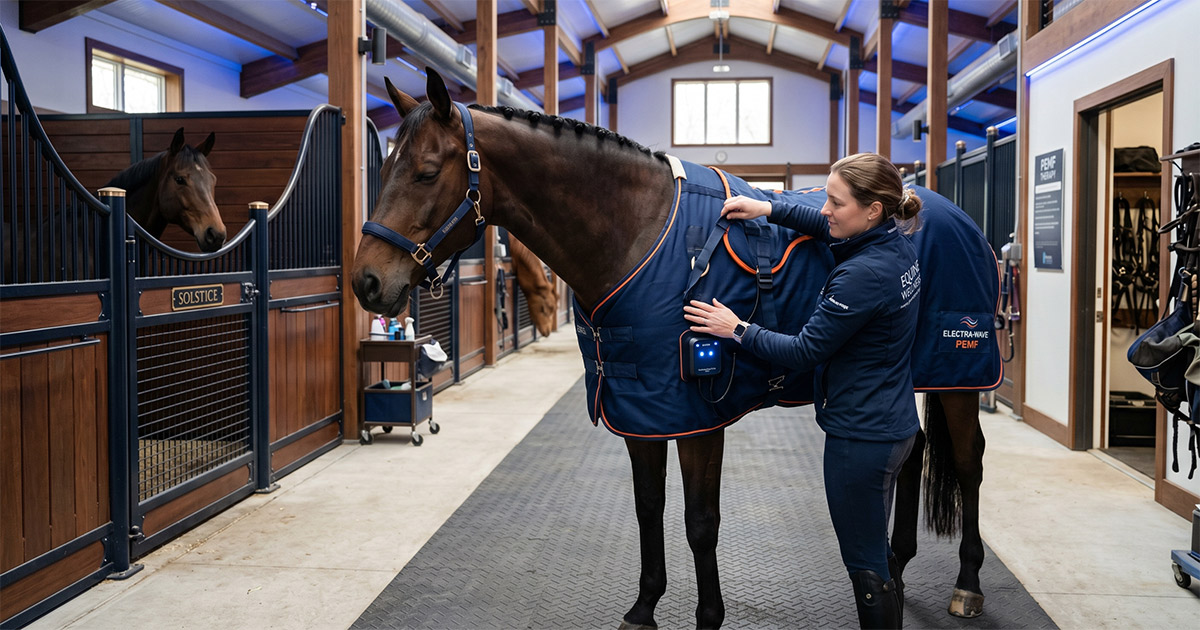
PEMF therapy uses low-frequency electromagnetic pulses delivered through coils, blankets, loops, or pads placed near the horse’s body. These pulses create electromagnetic fields that interact with tissues at the cellular level.
The basic theory behind PEMF is that electromagnetic stimulation may influence cellular activity, circulation, and tissue repair processes. In veterinary and human medicine, PEMF has been explored for applications involving pain management, inflammation reduction, bone healing, and recovery support.
In horses, PEMF systems are commonly used:
- Before or after exercise
- During rehabilitation programs
- For muscle tension and soreness
- Alongside veterinary therapies for injury recovery
- As part of wellness routines for performance horses
Many horses appear relaxed during sessions, which may also contribute to its popularity among handlers and trainers.
Circulation and Recovery Support
One of the primary claims surrounding PEMF therapy is improved circulation and microcirculation. Researchers believe electromagnetic stimulation may influence vasomotion — the rhythmic contraction of blood vessel walls — which could help support oxygen and nutrient delivery to tissues.
Supporters of PEMF therapy often report:
- Reduced muscle tightness
- Faster post-exercise recovery
- Improved comfort in aging horses
- Better flexibility and mobility
- Relaxation after travel or competition
Some studies in horses have shown promising effects related to stress reduction, recovery markers, and musculoskeletal comfort. A randomized controlled study involving horses in training found signs of improved relaxation and recovery-related parameters following BEMER® vascular therapy, a form of PEMF treatment.
Another study examining polo ponies suggested PEMF therapy may positively influence back pain and sensitivity.
However, researchers consistently note that more large-scale, independent studies are still needed.
What Current Research Shows
Research into PEMF therapy in horses is still developing. Some preliminary findings are encouraging, but the evidence remains mixed and incomplete.
Studies have explored PEMF’s potential role in:
- Bone healing
- Soft tissue recovery
- Pain modulation
- Stress reduction
- Hoof health
- Exercise recovery
A 2024 pilot study evaluating PEMF therapy and equine hoof health found mild improvements in sole depth measurements in some treated horses, although results were limited and not universally significant.
Other research has suggested PEMF may influence:
- Inflammatory responses
- Cellular signaling
- Muscle soreness
- Recovery quality following anesthesia
- Heart rate variability and relaxation responses
At the same time, many published studies involve:
- Small sample sizes
- Short treatment periods
- Different device settings and protocols
- Variable methodologies
Because of this, researchers caution against overstating PEMF’s benefits until stronger evidence becomes available.
Common Myths About PEMF Therapy
Myth 1: PEMF “heals everything”
PEMF is sometimes marketed as a cure-all for lameness, arthritis, injuries, and poor performance. Current evidence does not support these exaggerated claims. PEMF should be viewed as a supportive modality, not a replacement for proper veterinary diagnosis and treatment.
Myth 2: More intensity means better results
Higher settings are not always better. Appropriate frequencies, placement, and session duration matter more than simply increasing intensity. Incorrect use may overstimulate sensitive horses.
Myth 3: PEMF replaces conditioning and management
No therapy can compensate for poor nutrition, inadequate turnout, overtraining, improper saddle fit, or incomplete rehabilitation programs. PEMF works best when combined with good horsemanship and evidence-based care.
Myth 4: All PEMF devices are equal
Devices vary significantly in waveform, intensity, frequency, and quality. Scientific findings from one device cannot automatically be applied to all PEMF products on the market.
Appropriate Use Cases for PEMF
PEMF therapy may be most useful as a complementary therapy in situations such as:
- Post-workout recovery
- Muscle soreness and stiffness
- Rehabilitation support
- Senior horse comfort programs
- Stress reduction during travel or competition
- Supportive care for chronic musculoskeletal issues
Many equine therapists integrate PEMF alongside:
- Massage therapy
- Chiropractic care
- Physiotherapy
- Controlled exercise
- Veterinary rehabilitation plans
For performance horses, PEMF is often used strategically during heavy training periods to help support recovery and maintain comfort.
Safety Considerations
PEMF therapy is generally considered non-invasive and low risk when used correctly. Still, it should not be used indiscriminately.
Horse owners should consult a veterinarian before using PEMF on horses with:
- Undiagnosed lameness
- Active infections
- Pregnancy
- Implanted electronic devices
- Acute injuries requiring immediate veterinary care
It is also important to remember that masking discomfort without addressing the underlying issue can delay diagnosis and treatment.
Working with trained professionals and following manufacturer guidelines can help reduce risks and improve appropriate use.
The Bottom Line
PEMF therapy sits in an interesting space between promising science and aggressive marketing. Early research suggests it may support circulation, relaxation, and recovery in some horses, particularly when used as part of a comprehensive wellness or rehabilitation program. But it is not magic, and it is not a substitute for veterinary care, conditioning, or proper management.
As equine research continues to evolve, PEMF may become better understood and more precisely applied. For now, the most balanced approach is one rooted in evidence, realistic expectations, and careful observation of each individual horse.