
Summer can be hard on pets. High temperatures, strong sun, and busy outdoor activities can put extra stress on their bodies. Dogs and cats do not sweat the way humans do. They overheat faster and struggle to cool down. Long walks on hot pavement, being left in cars, or even staying too long in the sun can lead to serious health problems.
Summer can also make mobility harder for older pets or those with joint pain. This guide gives clear, practical tips to help you care for your pet during the warm months. The goal is to keep them safe, active, and comfortable throughout the entire summer.
Keep Fresh Water Available at All Times
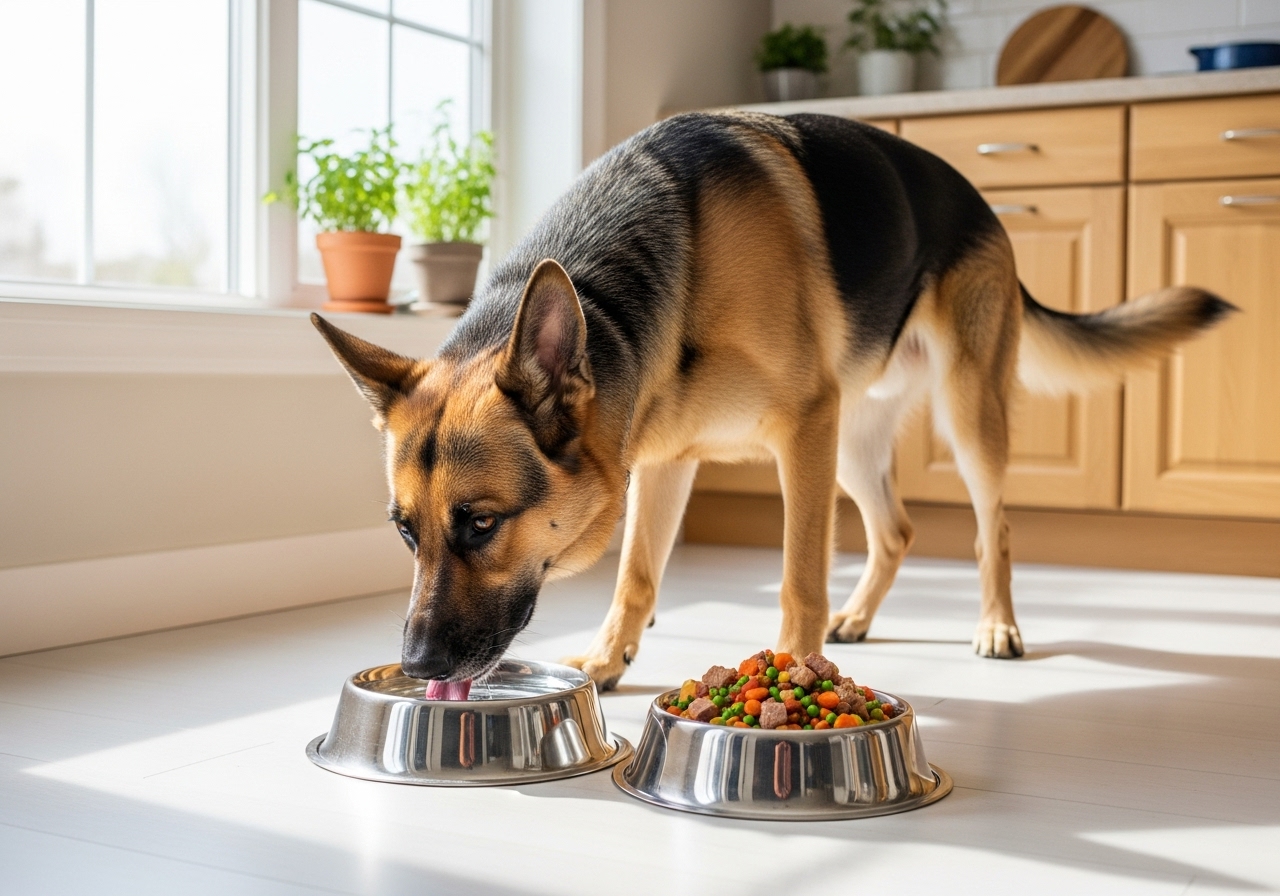
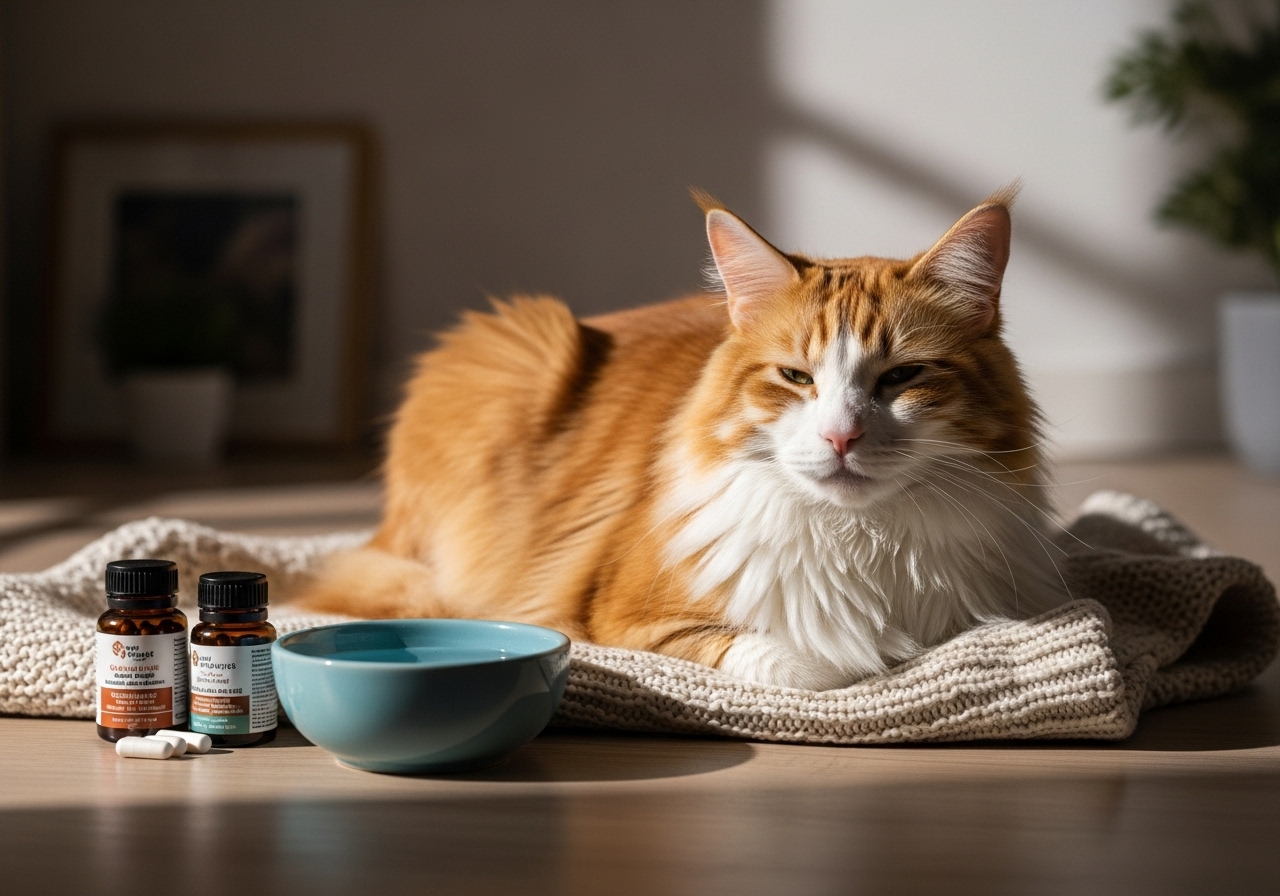
Hydration is one of the most important parts of summer pet care. Dogs and cats lose moisture quickly in the heat. Dehydration can occur rapidly and lead to serious health issues. Always keep clean, cool water readily available for your pet to access.
Use a heavy bowl that will not tip over. If you go out, consider carrying a travel water bottle with a built-in strainer. Some pets enjoy water more when it is cooler. You can add a few ice cubes to their bowl to help cool it down.
Check their water often. Replace it if it gets warm or dirty. If your pet eats dry food, they will need more water. Wet food contains more moisture, which helps with hydration. Signs of dehydration include dry gums, low energy, and thick saliva. If you see any of these, offer water immediately and seek shade.
Avoid Outdoor Time During the Hottest Hours
Midday heat can be dangerous. Try not to walk or exercise your pet between 11:00 a.m. and 4:00 p.m. The sun is strongest during these hours. It heats pavement, sidewalks, and sand to high levels. These surfaces can burn your pet’s paws. Before you go for a walk, place your hand on the ground for five seconds. If it feels too hot for you, it is too hot for them.
Take your walks early in the morning or later in the evening. Choose routes with shade and grass. Keep the sessions short, especially if your pet is older or has health problems. Always bring water and take breaks often. Watch your pet’s breathing and energy. If they slow down or pant heavily, stop and rest.
Protect Their Paws and Skin
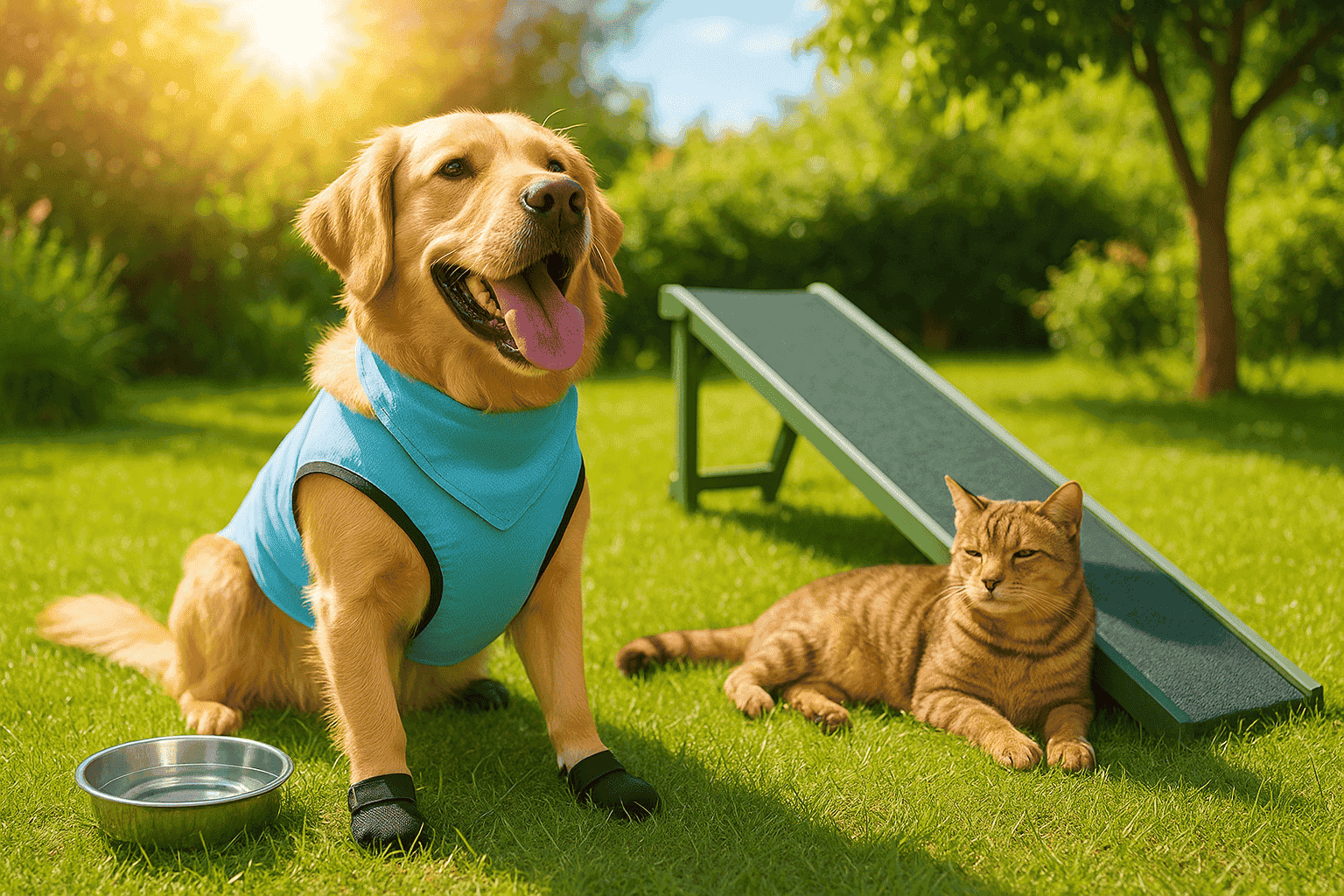
Your pet’s paws touch the ground all day. In summer, they need extra protection. Hot surfaces can cause pain, peeling, and blisters. Check their feet after each walk. Look for cracks, redness, or wounds. You can buy pet boots to shield their paws from heat and sharp objects. Some pets take time to adjust to wearing them, so start with short sessions indoors.
Fur does not always mean protection from the sun. Dogs and cats with light-colored fur or thin coats are susceptible to sunburn. Areas like the nose, ears, and belly are most at risk. Use pet-safe sunscreen made for animals. Do not use human sunscreen, as many contain toxic ingredients that are harmful to pets. Apply it before going outdoors and reapply as needed.
Never Leave Your Pet in a Parked Car
Even a few minutes in a parked car can be deadly. The inside temperature rises quickly, even with the windows cracked. A car that feels warm when you turn it off can reach dangerous levels fast. Pets left in hot cars face the risk of heatstroke, organ failure, or death.
If you must go somewhere and cannot bring your pet inside, leave them at home. It is always safer. If you see a pet locked in a hot car, act quickly. Call local authorities or animal control. Do not assume someone else will help; every second counts.
Give Them a Cool and Comfortable Rest Area
Pets need a place to cool down after playing or taking a walk. Indoors, use fans or air conditioning to help regulate their body temperature. Keep their bed away from windows or hot areas. A cooling mat or tile floor gives extra comfort. Outdoors, provide shade using umbrellas, trees, or pet tents. Avoid letting them lie on hot cement or metal surfaces. These items retain heat and can cause burns to the skin.
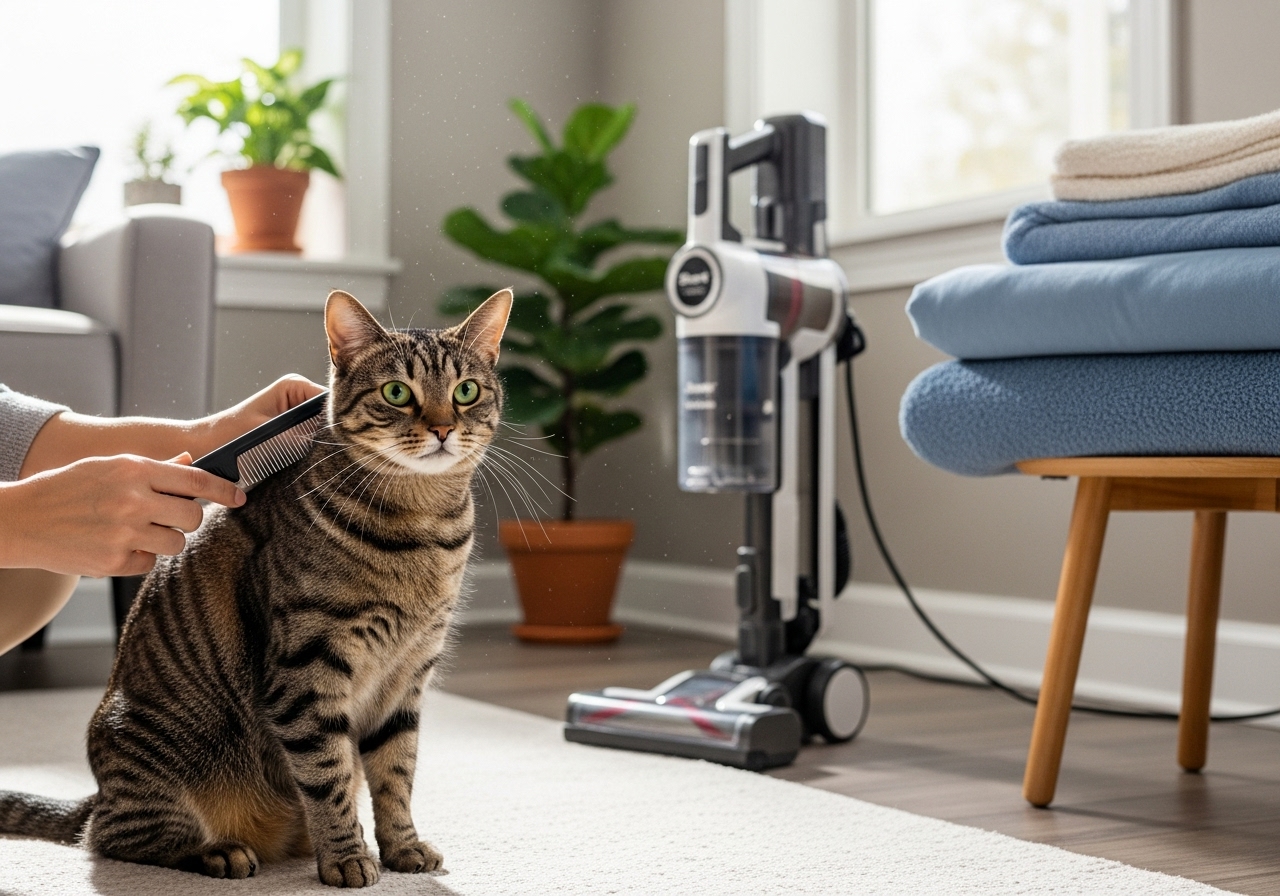
Groom your pet regularly during summer. Brushing removes extra hair and allows air to move through their coat. This helps keep their skin cooler. Do not shave your pet unless your vet recommends it. Fur often protects against sunburn and regulates body heat.
Watch for Signs of Heatstroke
Heatstroke is a serious risk in hot weather. It happens when your pet’s body gets too warm and cannot cool down. This condition needs quick action. Look for signs such as rapid breathing, heavy panting, drooling, red gums, vomiting, or weakness. Your pet may seem tired or confused. Some collapse or have seizures.
If you suspect your pet has heatstroke, move them to a cool, shaded area immediately. Offer water, but do not force them to drink. Wet their paws, belly, and ears with cool water. Do not use ice. Then, contact your veterinarian or visit the nearest clinic. Fast care can save their life.
Support Joints and Daily Mobility
Heat can cause stiffness and soreness, especially in older pets. Long walks on hard surfaces exacerbate the issue. Choose soft ground, such as grass or dirt trails, for exercise. Swimming is a good way to keep joints active without adding pressure. Many dogs enjoy short, supervised swims. Always rinse them after, especially if they swim in pools or lakes.
Use ramps to help pets into cars or up stairs. This reduces strain on knees and hips. Keep nails trimmed to improve balance and prevent slipping. You can also discuss joint supplements with your veterinarian. Products with glucosamine and chondroitin may help with movement and comfort. Always ask before starting anything new.
Keep Bugs Away
Summer brings bugs that carry disease. Fleas, ticks, and mosquitoes can cause pets to become ill. These pests live in grass, bushes, and wooded areas. Check your pet’s fur after every outdoor session. Look behind the ears, under the collar, and between the toes. Use vet-approved prevention methods, such as sprays, chewables, or collars, to protect your pet. Do not use human products. They can be toxic to animals.
Keep your yard clean. Trim plants and remove standing water where mosquitoes breed. Bugs bite more in the evening, so limit outdoor time during those hours.
Caring for your pet in summer does not have to be hard. A few simple habits make a big difference. At Animal Wellness Academy, we offer clear and trusted advice to help you care for your pet year-round. Our online pet courses are a great way to learn how to care for your little companion like a pro.
Frequently Asked Questions:
How can I tell if my pet is too hot?
Look for signs such as rapid breathing, heavy panting, red gums, drooling, or weakness. Some pets may vomit or seem confused. These signs indicate that your pet needs to cool down immediately.
Is it safe to walk my dog in the summer?
Yes, but choose cooler times like early morning or late evening. Avoid walking on hot pavement and always carry water. Keep the walk short if it’s warm outside.
What should I do if my pet shows signs of heatstroke?
Move your pet to a cool, shaded area. Offer water and gently wet their body with cool (not ice-cold) water. Call your vet right away. Heatstroke is an emergency.
Can I trim my pet’s fur in the summer?
Yes, you can trim long or thick coats to help airflow. But do not shave the coat completely unless a vet advises it. Fur also protects pets from sunburn.
How do I keep bugs away from my pet during summer?
Use vet-approved flea, tick, and mosquito preventatives. Check their skin after outdoor time. Keep your yard trimmed and remove standing water to reduce the number of bugs.
Conclusion:
Summer should be fun for pets, not risky. With the right steps, you can keep your dog or cat cool, safe, and active. Always provide water. Avoid hot pavement. Watch for signs of heat stress. Protect paws and joints. Keep their body moving without pain. Be mindful of bugs and never leave them in a car.
Small actions matter. Pay attention each day. Your care helps them feel better, move more easily, and stay healthy all season. They count on you. And with the right help, you can make this their best summer yet.