
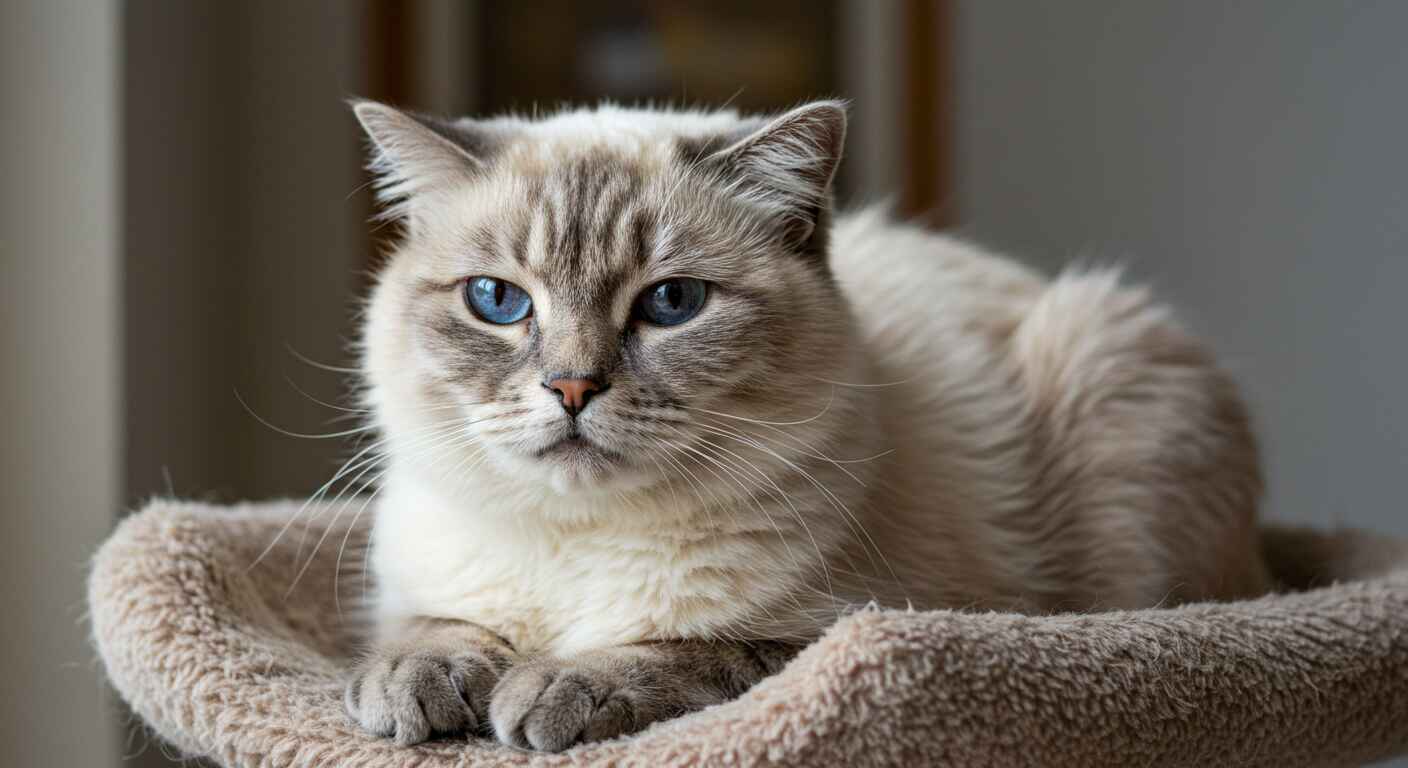
Caring for a senior cat is very different from raising a kitten. As cats get older, they may sleep more, move less, and develop conditions such as arthritis, kidney disease, or dental problems. Adjusting your care routine with the right nutrition, comfort, and regular checkups helps keep them healthy and happy in their later years.
Watch for Behaviour and Health Changes
Older cats often communicate their needs through subtle changes. Some may become quieter, while others grow more vocal. You might notice them avoiding stairs, hesitating to jump, or spending more time asleep. These shifts can be linked to arthritis, pain, or illnesses such as thyroid disease and kidney problems. If you observe unusual behaviour in your cat, consult a veterinarian. Early detection of senior cat diseases makes treatment more effective.
Provide a Comfortable Living Space
Ageing cats need spaces that support their comfort and mobility. Soft, warm bedding placed in quiet corners of the home helps them rest more easily. Ensure litter boxes have low sides so they’re accessible to stiff joints, and keep food and water bowls in easy-to-reach areas. If you live in a multi-level home, placing essentials on each floor saves your cat unnecessary trips up and down stairs.
Feed the Right Nutrition for Senior Cats
Senior cat nutrition should support their ageing bodies by protecting joint health, maintaining strong immunity, and reducing the risk of kidney disease. Foods made specifically for senior cats are easier to digest and often enriched with omega-3 fatty acids and antioxidants. Hydration is equally important, since many elderly cats drink less as they age. Offering wet food, using pet water fountains, or placing multiple bowls around the house can help prevent dehydration.
Schedule Regular Veterinary Checkups
Regular veterinary care is critical for geriatric feline care. Older cats benefit from checkups every six months, which allow for early detection of common conditions like arthritis, thyroid imbalance, or kidney disease. Bloodwork and urine testing provide important insights into overall health, while dental care, parasite prevention, and updated vaccinations remain just as important in senior years. Bringing up even small changes in weight, appetite, or behaviour with your vet can make a significant difference.
Support Joints and Mobility
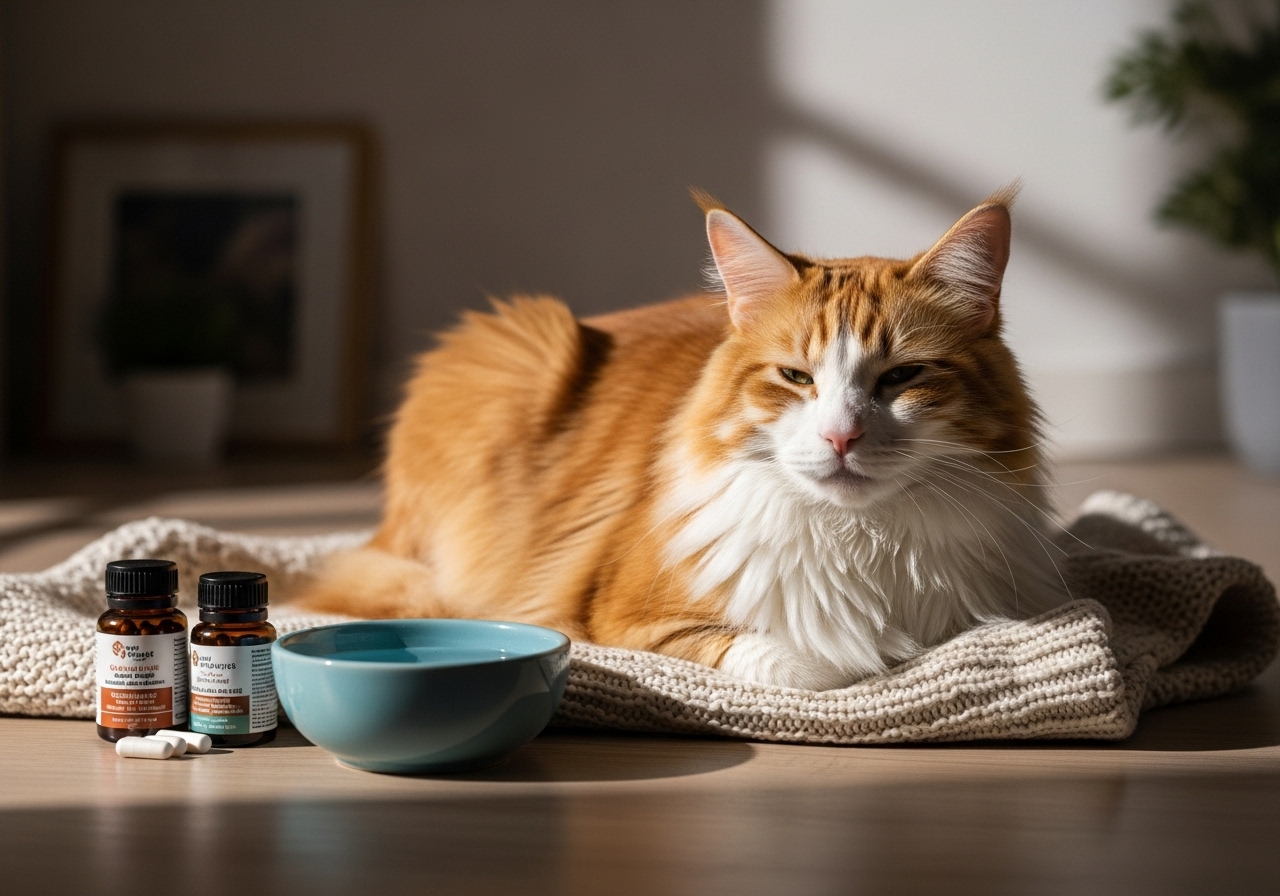
Arthritis in senior cats is common and can make daily activities difficult. If your cat hesitates to jump or avoids climbing, joint discomfort may be the cause. Providing ramps or pet steps makes it easier for them to reach favorite resting spots. Orthopedic bedding reduces pressure on painful joints, and keeping nails trimmed helps them walk more comfortably. Some cats benefit from joint supplements such as glucosamine, chondroitin, or fish oil, which you can discuss with your veterinarian.
Keep Their Mind Active
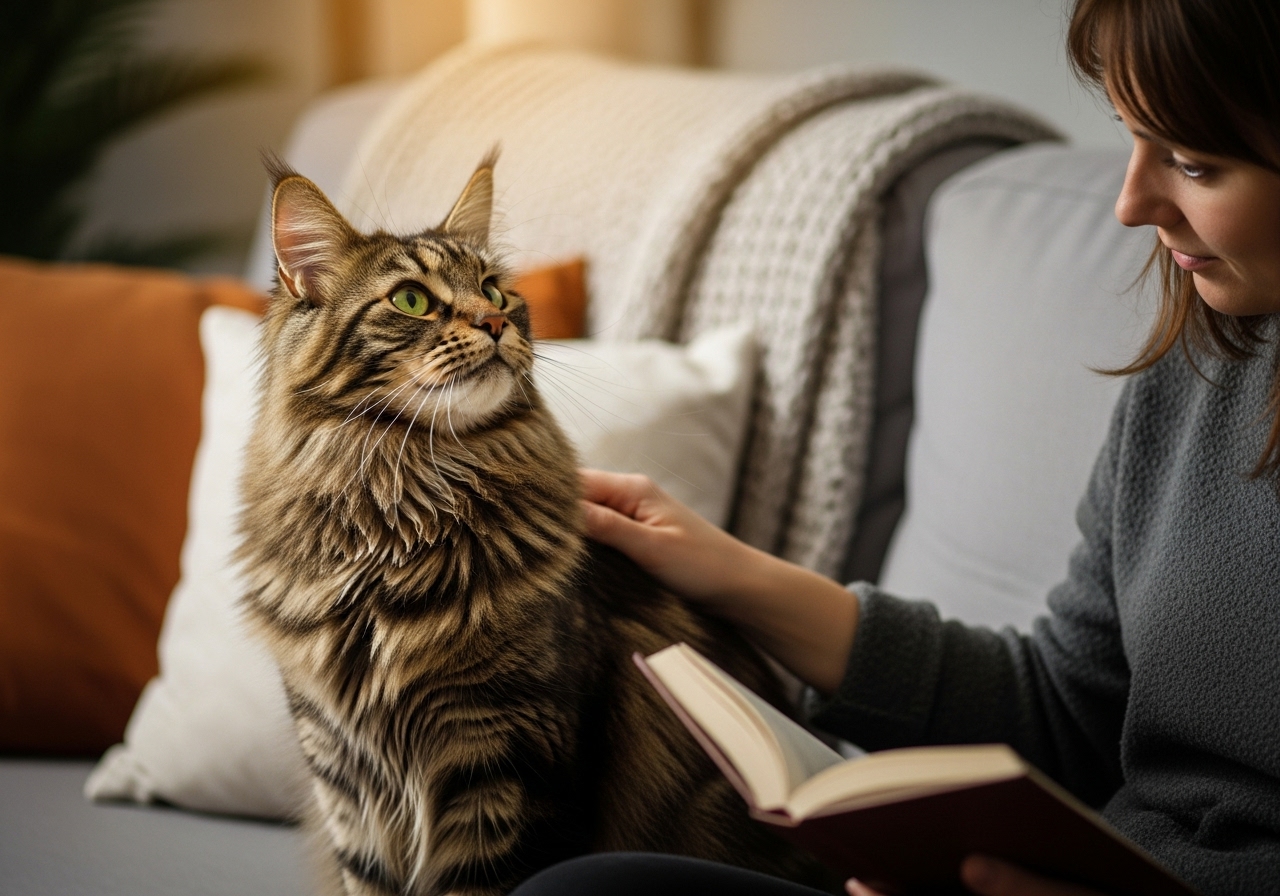
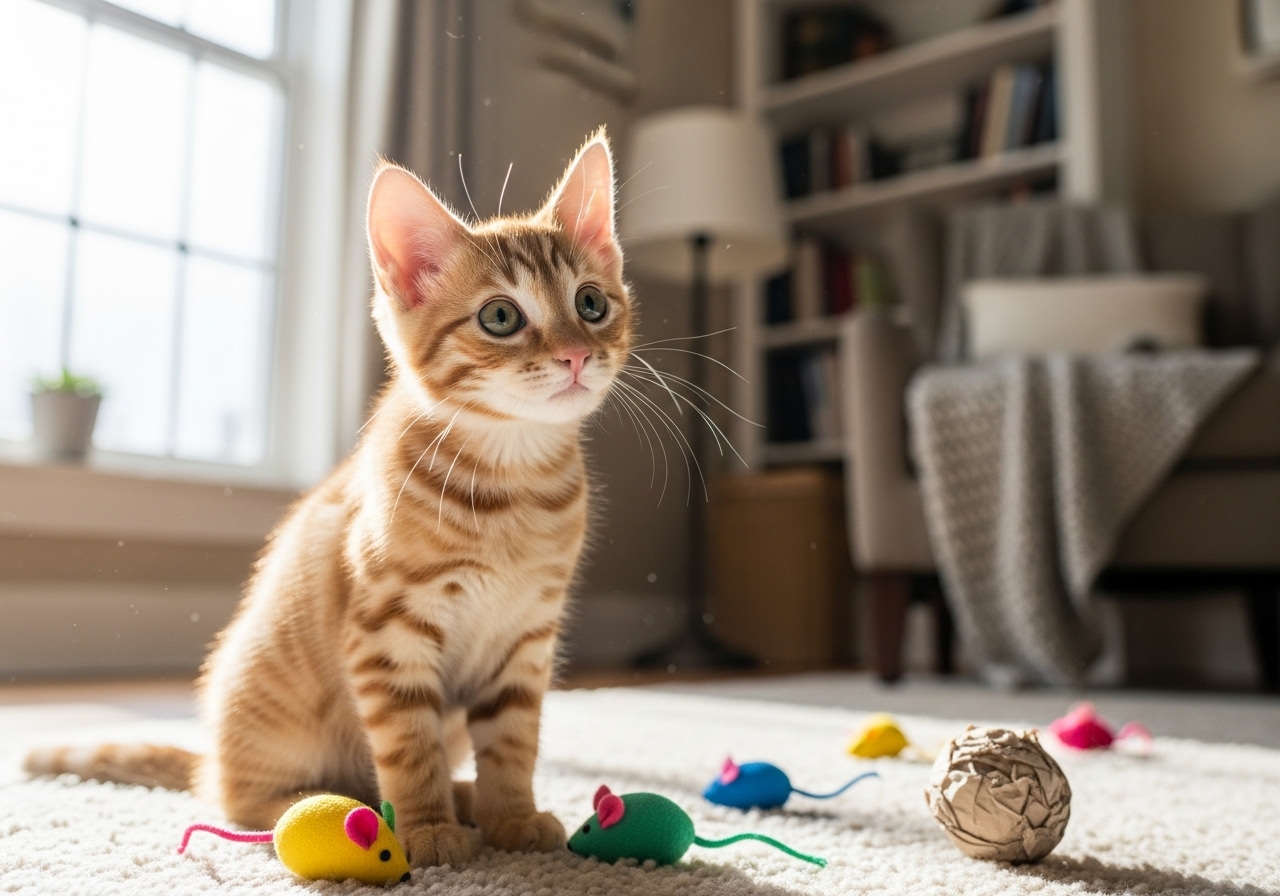
Cognitive health is just as important as physical care. Toys that are easy to bat, short daily play sessions, and food puzzles all stimulate your cat’s mind. Grooming and petting not only strengthen your bond but also provide gentle mental stimulation.
The Importance of Routine
Senior cats thrive on consistency. Feeding, playtime, and rest at regular times each day give them a sense of security and reduce stress. Predictable routines support both physical and mental well-being.
Monitor Weight and Body Condition
Both weight loss and weight gain can indicate health problems in older cats. A cat that loses weight may be struggling with thyroid disease or kidney issues, while overweight cats often face mobility problems and an increased risk of arthritis. Gently feel their ribs and spine to assess body condition, and consult your veterinarian if you notice changes. Portion control and a tailored diet are essential for weight management in older cats.
Help With Grooming
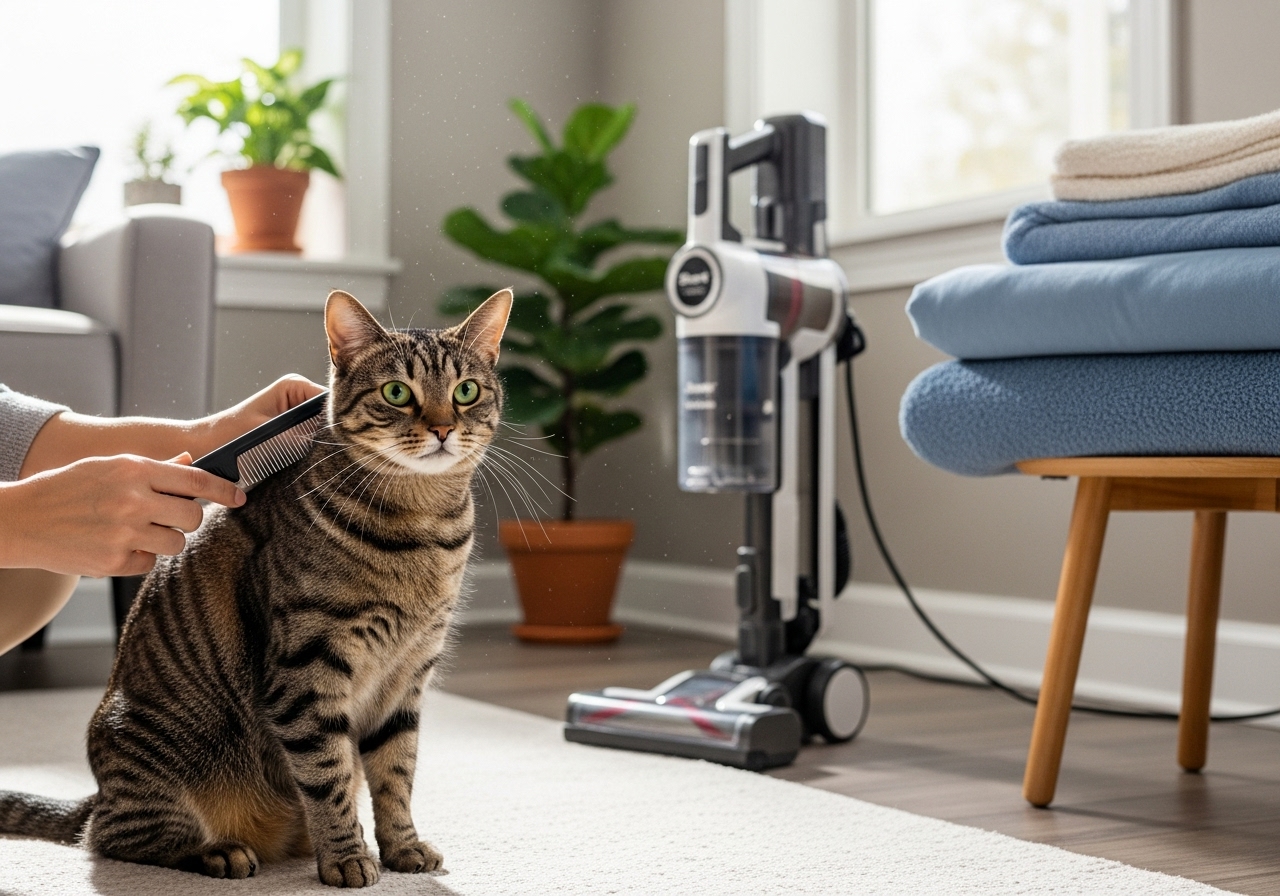
Elderly cats may no longer groom themselves effectively, leading to mats or greasy coats. Regular brushing with a gentle brush keeps their fur clean and reduces skin irritation. Long-haired breeds especially benefit from frequent grooming sessions. Use this time to check their ears, eyes, and nails. If grooming feels stressful for your cat, start with short sessions and reward them afterward with affection or a small treat.
Respect Their Changing Needs
Senior cats may be more sensitive to noise and disruptions in their environment. Loud sounds, unfamiliar visitors, or new pets can increase stress. Offering a stable, quiet routine and ensuring access to their favorite resting spots provides comfort. Some cats will crave more affection, while others prefer solitude. Respecting these changes allows your ageing feline to feel secure and maintain quality of life.
Keep Learning and Caring
Caring for a senior cat is a rewarding experience. Your love and attention help them make the most of their golden years. For more expert tips and learning, visit the Animal Wellness Academy. Discover online cat courses, resources, and advice from pet professionals who understand the unique needs of ageing pets. Make your older cat’s life better, one small change at a time.
FAQs:
How old is a senior cat?
A cat is usually considered senior around the age of 10. After 65, they are often referred to as geriatric.
How often should I take my senior cat to the vet?
Senior cats should see a vet at least every six months. These visits help catch health problems early.
Do senior cats need a special diet?
Yes, senior cats need diets that are easier to digest and rich in nutrients that support joint, kidney, and immune health.
Why is my older cat losing weight?
Weight loss can be a sign of health issues like kidney disease, diabetes, or hyperthyroidism. A vet checkup is important.
Should I give supplements to my senior cat?
Some older cats benefit from supplements like glucosamine or omega-3s. Always consult your veterinarian before giving any supplements.
How can I keep my senior cat active?
Use gentle toys, food puzzles, and spend daily time playing or interacting. Mental stimulation keeps them sharp.
What signs of pain should I look for in my senior cat?
Watch for limping, avoiding jumping, hiding, or changes in behaviour. These can be signs of arthritis or other issues.