The role of gut microbiome in drug delivery within the gastrointestinal (GI) tract of dogs, cats, and horses should be an emerging and critical area of interest for veterinary medicine. The gut microbiome—a complex community of trillions of microorganisms including bacteria from phyla such as Firmicutes, Fusobacteria, Bacteroidetes, Proteobacteria, and Actinobacteria—plays a pivotal role in animal health by influencing metabolism, immune function, and pathogen defense.
Gut Microbiome and Drug Interaction
-
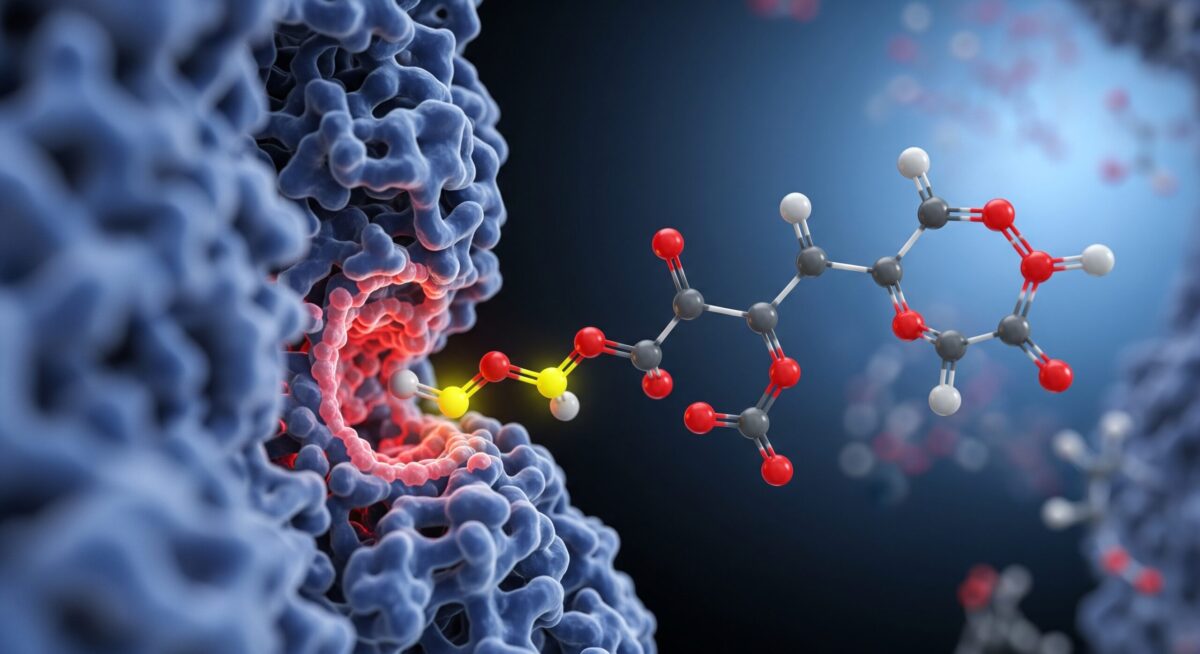
Microbial Metabolism: Just like in humans, the gut microbiota in animals can metabolize certain drugs, influencing their efficacy and toxicity. For example, some prodrugs may require microbial activation.
-
Impact on Drug Efficacy: The gut microbiome can affect how effectively a drug works. Specific bacterial populations may enhance or inhibit the breakdown of drugs, leading to variations in therapeutic outcomes.
-
Toxicity and Side Effects: The microbiota can also play a role in drug-related toxicity. For instance, certain metabolites produced by gut bacteria may lead to adverse effects or alter the metabolism of other drugs.
-
Influence of Diet: The diet of animals can significantly affect their gut microbiota composition, which in turn can influence drug metabolism. High-fiber diets may promote the growth of beneficial bacteria that enhance drug metabolism.
-
Drug Interactions: Competition between microbial metabolites and drugs for metabolic pathways can also occur, potentially leading to altered drug levels and effects.
-
Therapeutic Drugs and Gut Health: Some medications can adversely affect the gut microbiota, leading to dysbiosis and associated health issues, which may further complicate treatment outcomes.
Microbiome-Targeted Therapeutics
Veterinary clinicians should increasingly explore microbiome-based therapies to enhance drug delivery and clinical outcomes. Probiotics, prebiotics, and synbiotics have shown promise in supporting a balanced gut environment. For example, synbiotic supplementation (combining probiotics and prebiotics like inulin) has been demonstrated to beneficially shift the gut microbial composition in healthy dogs, increasing beneficial Lactobacillales and reducing potentially harmful Escherichia coli, which may reduce diarrhea incidence and improve GI health. These interventions can indirectly improve drug absorption and reduce adverse effects by maintaining or restoring a healthy microbiome.
Applications
In clinical practice, understanding the gut microbiome’s role allows veterinarians to tailor treatments for GI diseases more effectively. The Dysbiosis Index, a PCR-based tool, enables quantification of gut microbial imbalances and monitoring of therapeutic responses, including to antibiotics, probiotics, or fecal microbiota transplantation (FMT). FMT is an emerging technique that may help restore microbial balance in refractory cases, although more research is needed to define its role and limitations.
Moreover, veterinarians can leverage microbiome knowledge to optimize drug regimens, minimizing negative impacts on the microbiota and enhancing drug efficacy. For instance, judicious antibiotic use combined with targeted probiotic supplementation can mitigate dysbiosis and support recovery, improving patient outcomes in both acute and chronic GI conditions.
The animal gut microbiome is a crucial factor influencing drug delivery and therapeutic success in veterinary medicine. Integrating microbiome assessment tools and microbiota-targeted therapies is an option which can help veterinarians enhance treatment precision for GI diseases, reduce adverse effects, and promote overall gut health. Continued research and clinical application of microbiome science will undoubtedly refine drug delivery strategies and improve animal patient care in veterinary clinics.