Effective management of feline hepatic lipidosis involves reducing toxic load while supporting the liver and other body systems to restore organ function and promote recovery.
Feline hepatic lipidosis (FHL), commonly known as fatty liver disease, is one of the most prevalent and potentially life-threatening liver conditions in cats, especially those that are middle-aged and overweight. This article explores the pathophysiology of FHL, conventional medical interventions, and integrative lifestyle strategies to support optimal liver function and long-term wellness.
FHL: development and symptoms
Feline hepatic lipidosis typically develops when a cat stops eating, triggering the rapid mobilization of fat stores to the liver for energy. Unfortunately, the cat’s liver is not efficient at processing large quantities of fat. The excessive fat accumulation in liver cells can result in significant, often fatal, liver dysfunction. As fat overwhelms the liver, it interferes with the liver cells’ ability to perform essential tasks such as metabolizing nutrients, producing bile, detoxifying the bloodstream, regulating blood sugar, and synthesizing proteins necessary for blood clotting. Symptoms of FHL may include decreased appetite or complete anorexia, vomiting, lethargy, jaundice (membranes turn yellow), acute muscle wasting, clotting disorders, and eventually multi-organ failure.
Predisposing factors that contribute to FHL
Modern processed pet foods, especially dry kibble, are often high in carbohydrates, low in moisture, and filled with synthetic nutrients and inflammatory additives. These unnatural diets contribute directly to obesity, inflammation, liver stress, pancreatitis, and potentially hepatic lipidosis. FHL often arises when an overweight or obese cat experiences prolonged anorexia (not eating). This could occur due to stress, illness, or sudden environmental changes. The resulting rapid fat mobilization overwhelms the liver, leading to lipid accumulation in the liver cells and resulting in liver dysfunction. Risk factors include:
- Obesity
- Stress or sudden change in environment
- Highly processed, high-carbohydrate diet
- Co-morbidities such as pancreatitis or diabetes
Initial treatment strategies for FHL
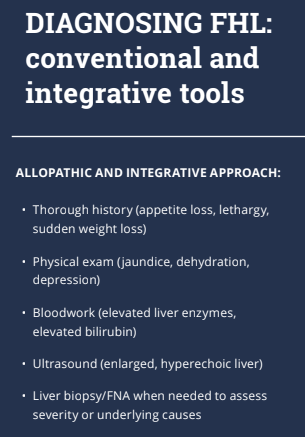
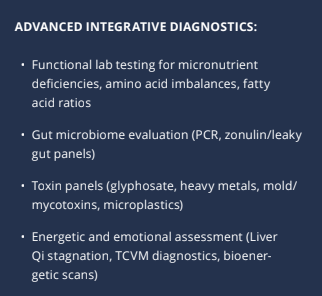
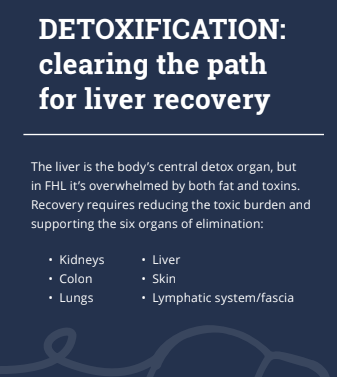
Above all else, keep the patient alive and supported. The cornerstone of treatment is aggressive nutritional support, ideally initiated within 24 hours. Enteral feeding via a feeding tube (nasoesophageal, esophagostomy, or gastrostomy) is essential. Once the danger has passed and the kitty is eating and resolving the metabolic derangements, the integrative work begins. The epigenetic influences (diet and lifestyle) should be improved while identifying and resolving the underlying root causes. Place focus on resolving toxicities, deficiencies, restoring liver health, rebuilding microbiome diversity, and supporting detoxification of all six organs of elimination, especially the liver.
Nutrition plays an important role
Most cats become addicted to their food of preference. Whether it is because of the texture (kibble, canned, pâté) or flavor, it can be challenging to change a cat’s diet. Unlike their canine counterparts, cats will not eat food they don’t like (or recognize) even if they are hungry. Cats in the wild have voracious appetites that drive them to expend a lot of energy hunting and killing their meals. Many cat parents report their felines are “picky eaters”. This is not a normal behavior and may be the first sign the cat has “leaky gut”. Lifestyle factors that lead to leaky gut and dysbiosis include:
- Processed foods high in carbohydrates, preservatives, glyphosate, mycotoxins and microplastics
- Exposure to antibiotics (often associated with spay/neuter)
- Nutritional deficiencies and toxicities
- Stress
Converting a processed food-addicted cat to a species-appropriate raw diet can be challenging and often takes time and patience. It is far easier to start kittens out on a raw diet! However, during a crisis like FHL, doing anything that further inhibits the cat from eating (like introducing a new food) is not recommended, as it will exacerbate the condition.
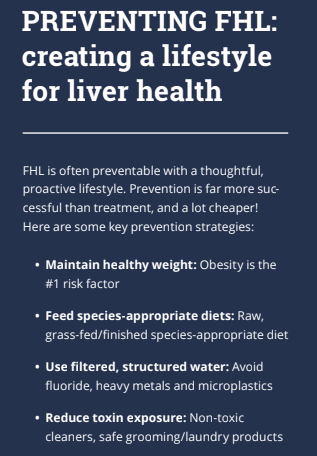
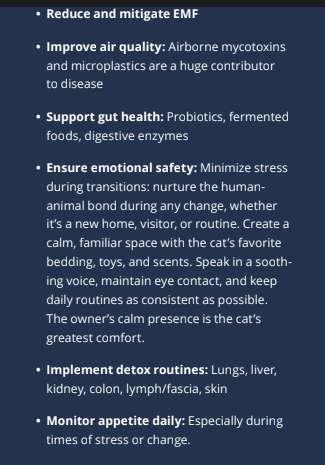
A species-appropriate diet aligns with a cat’s natural biological design. Cats are obligate carnivores, requiring moisture-rich, high-quality animal proteins and fats to thrive. A nutrient-dense, grass-fed/finished raw meat diet, balanced with the proper composition of meat, fat, bone and organ meat, supports lean body mass, reduces inflammation, and promotes healthy liver function. It also reduces the risk of hepatic lipidosis by preventing obesity and providing essential nutrients in their most bioavailable form. Key benefits of species-appropriate diets include:
- Natural sources of taurine (an essential amino acid) support bile acid conjugation and liver detoxification
- L-carnitine, found in red meat, facilitates fat transport into mitochondria for energy
- Building blocks like lysine and methionine, also found in meat, support protein synthesis and detox
- A rich supply of Omega-3 fatty acids (EPA/DHA) reduces inflammation and supports liver repair
If a pet parent cannot feed a species-appropriate raw diet, they can supplement with the essential nutrients to improve bioavailability. Click here for more information on raw feeding.
Targeted supplementation
Cat parents should only administer supplements under veterinary guidance.
- Essential vitamins and minerals: For cofactors like B vitamins, calcium, zinc, selenium and more
- Essential amino acids: Examples are methionine, lysine, and taurine to support detoxification and cellular repair
- Essential fatty acids: Omega-6 linoleic acid (LA) and Omega-3 alpha-linolenic acid (ALA) are critical for cats; they support cell walls, coat, heart, joint function, and overall vitality.
- Digestive enzymes: Reduce digestive burden on the pancreas
- Herbals: Burdock root, cat’s claw, and rhubarb help with inflammation
- Pumpkin seed oil: Anti-inflammatory and supports cell membrane and liver health
Gut health and healing: vital for liver function
A healthy microbiome enhances nutrient absorption, reduces inflammation, and lowers toxic burden. The microbiome consists of trillions of organisms influencing over 90% of metabolic activity in the body.
- Supplement with organic raw fermented foods like homemade kefir or sauerkraut juice; fecal matter transplant may be warranted in some cases.
- Create a parasympathetic (rest and digest) state using sound frequency, PEMF devices, herbals, homeopathics, and essential oils.
- Provide essential nutrients, including vitamins, minerals, fatty acids, and amino acids.
- Integrate therapies like ozone, hyperbaric oxygen, frequency therapy, and assisted lymphatic therapy to restore homeostasis.
Alternative therapies for feline hepatic lipidosis
These therapies restore balance, promote detoxification, and stimulate cellular and energetic healing. They complement nutritional support during acute phases and are especially beneficial in recovery and regenerative phases.
Ozone therapy
Ozone (O₃) can be administered rectally, intravenously, intralesionally, via ozonated saline, or ozonated glycerin. Benefits include:
- Improved oxygen delivery to tissues
- Stimulation of mitochondrial function
- Activation of antioxidant enzymes
- Support of Phase I and II liver detoxification
- Immune system modulation to reduce inflammation
Hyperbaric oxygen therapy (HBOT)
HBOT delivers oxygen 10–15x deeper into tissues. Benefits for FHL include:
- Accelerated liver cell regeneration
- Reduced hepatic inflammation and edema
- Enhanced mitochondrial repair
- Immune support
- Microbiome support and detoxification assistance
Photobiomodulation (low-level laser therapy)
Red and infrared lasers improve cellular function. Specific wavelengths target hepatocyte regeneration, lymphatic drainage, circulation, and ATP production.
PEMF therapy
- Improves microcirculation and nutrient uptake
- Reduces pain and inflammation
- Normalizes liver cell electrical activity
- Stimulates lymphatic and vascular detoxification
Fascia decompression and assisted lymphatic therapy
- Enhances lymph flow, removes toxins, reduces inflammation, and improves immune function
- Realigns fascia to support circulation and organ detoxification
Techniques include diaphragmatic breathing, conscious movement, and hands-on fascia decompression. More info at www.drmarlenesiegel.com.
Chiropractic care
Corrects spinal subluxations to improve nerve flow, supporting musculoskeletal and organ function. Often combined with ALT and fascia decompression for holistic liver support.
Acupuncture and TCVM
Acupuncture uses needles at meridian points to unblock energy (Qi). TCVM includes diet therapy, herbs, and energetic diagnostics. Points for appetite and liver support include:
- ST36, SP6, LI4, CV12
- LIV3, BL18, BL20
- GV20, HT7, SP10, LI11, BL17, BL23, KI3, SP21, GB24, Shen Shu & Shen Gen
Benefits: Moves stagnant Liver Qi, harmonizes organs, reduces inflammation, balances energy, improves appetite.
Homeopathy
Stimulates the body’s own healing. Common remedies for FHL:
- Hepar Compositum (Heel®)
- Hepeel (Heel®)
- Coenzyme Compositum
Frequency-based therapies
- Neutralize infections, toxins, and energetic blockages
- Restore liver vibrational balance for regeneration
- Stimulate liver meridian flow
- Target organ stress
- Balance emotional frequencies to support appetite
Emotional and energetic healing
- Bach flower remedies for grief, anxiety, or trauma
- Reiki and energy medicine
- Hydrosol-based aromatherapy (cat-safe)
- Environmental enrichment and predictability
- Tellington TTouch therapy
Feline hepatic lipidosis is reversible if addressed promptly. Prevent inflammation, obesity, and toxin accumulation. More info at www.drmarlenesiegel.com and www.evolovestore.com.
References
- Center SA. Pathophysiology, Clinical Signs, and Diagnosis of FHL (1996). Veterinary Clinics of North America: Small Animal Practice, 26(4), 933-945. Link
- Turner C, Center SA. Risk Factors: Obesity, Stress, Diet, Co-morbidities (2010). Journal of Feline Medicine and Surgery, 12(10), 825-835. Link
- Center SA. Nutritional Support and Feeding Tube Recommendations (2005). Veterinary Clinics of North America: Small Animal Practice, 35(4), 713-759. Link
- Streeter RN, Krik CA. Species-Appropriate Diet and Taurine Importance (2000). Journal of the American Veterinary Medical Association, 216(8), 1211-1216. Link
- Rutherfurd-Markwick KJ. Role of Amino Acids and Fatty Acids in Liver Function (2007). Nutrition Research Reviews, 20(2), 155-170. Link
- Suchodolski JS. Gut Microbiome and Liver Health in Cats (2016). Veterinary Clinics of North America: Small Animal Practice, 46(1), 1-18. Link
- Bocci V. Use of Ozone Therapy in Veterinary Medicine (2011). Medical Gas Research, 1(1), 22. Link
- Ross D, Edmondson M. Hyperbaric Oxygen Therapy in Small Animals (2017). Journal of the American Animal Hospital Association, 53(4), 241-249. Link
- Chow RT, Johnson MI, Lopes-Martins RA, Bjordal JM. Photobiomodulation (Laser) Therapy (2009). The Lancet, 374(9705), 1897-1908. Link
- Markov MS. PEMF Therapy Effects on Inflammation and Healing (2007). Environmentalist, 27(4), 465-475. Link
- Xie H, Preast V. Acupuncture & TCVM (2010). Veterinary Acupuncture: Ancient Art to Modern Medicine (2nd ed.). Elsevier. Link
- Wassenhoven M. Homeopathic Remedies in Liver Support (2010). Veterinary Record, 166(14), 423-428. Link
- Buchanan JR, Johnston S. Frequency-Based and Energy Therapies in Veterinary Practice (2019). Veterinary Clinics of North America: Small Animal Practice, 49(5), 885-897. Link
- Ellis SLH. Emotional and Behavioral Support for Cats (2009). Journal of Feline Medicine and Surgery, 11(11), 901-912. Link