

Understanding the connection between mental states and physical responses in animal patients is revolutionizing veterinary medicine. Psychophysiology—the study of how psychological processes affect physiological functions—offers valuable insights into companion animal wellness that every veterinary professional should understand.
What is Psychophysiology?
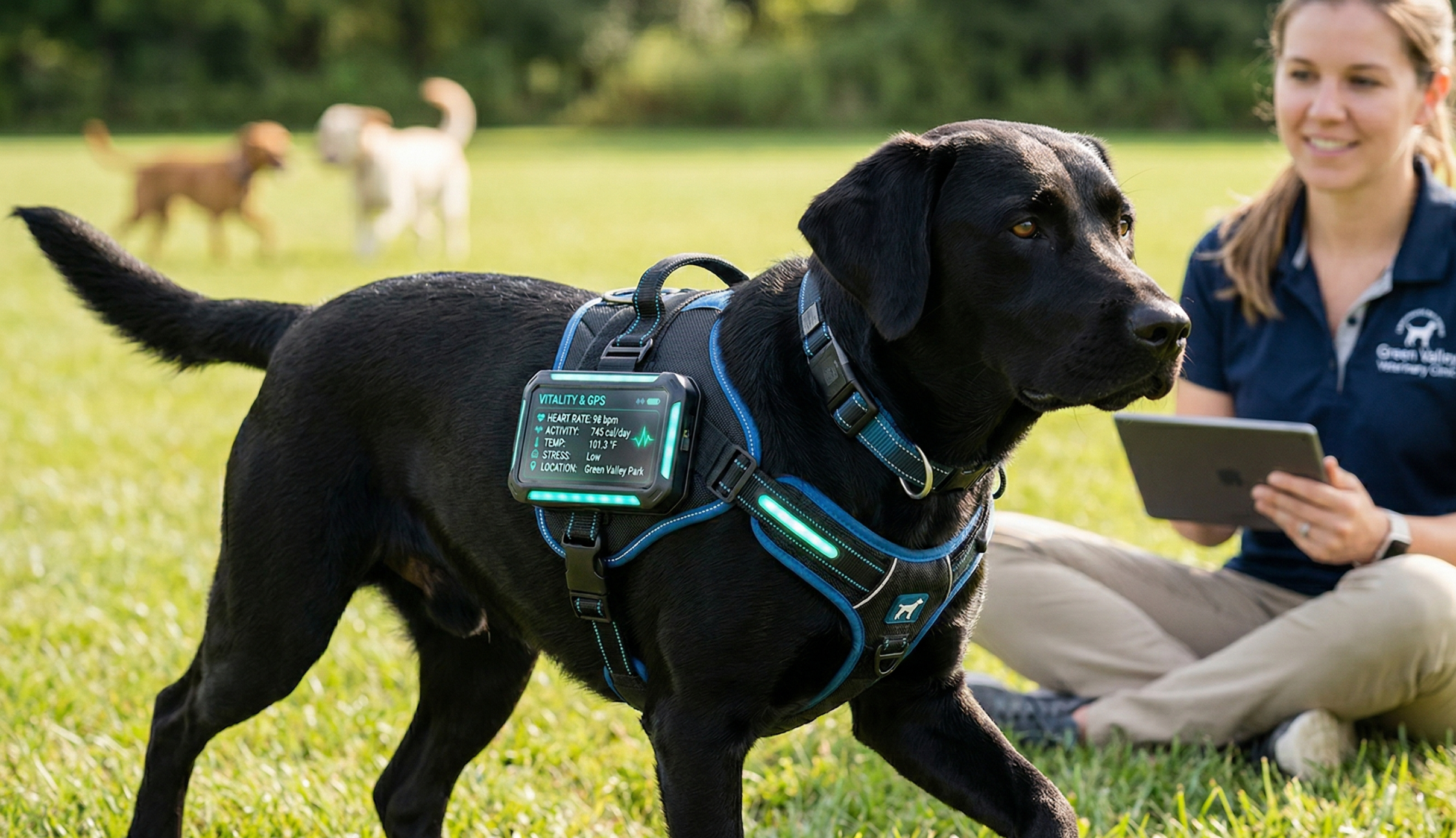
Psychophysiology examines the relationship between the mind and body, studying how emotions, stress, and mental states create measurable physical changes. In companion animals, this manifests through heart rate variations, respiratory patterns, hormone levels, and behavioral responses. When a dog hears fireworks or a cat encounters a stressful situation, their bodies respond through the autonomic nervous system, triggering a cascade of physical changes.
The Mind-Body Connection in Practice
Recent research shows that anxiety and fear in companion animals aren’t just behavioral concerns—they’re whole-body experiences. Dogs experiencing separation anxiety may show increased heart rates, elevated cortisol levels, trembling, and gastrointestinal distress. Cats dealing with inter-cat tension can develop stress-related conditions including cystitis and dermatological issues. These physical manifestations of psychological distress demonstrate why treating behavioral problems requires a comprehensive approach.
Clinical Applications
Understanding psychophysiology helps veterinarians recognize that behavioral issues often have physiological roots, and vice versa. When examining patients with chronic conditions, considering their emotional state becomes essential. For example, a dog with noise sensitivity doesn’t just experience fear—their body enters a stress response that can affect immune function, digestion, and overall health.
Medications like fluoxetine and clomipramine work precisely because they address the physiological aspects of anxiety. Similarly, environmental modifications that reduce stress—such as predictable routines, safe spaces, and pheromone therapy—help by preventing the activation of stress pathways in the body.
The Importance of Routine and Predictability
Research consistently shows that predictability significantly reduces stress responses in companion animals. When dogs and cats understand what to expect, their bodies maintain more balanced physiological states. This is why behavior modification strategies emphasizing routine prove so effective—they work on a psychophysiological level.
As veterinary professionals, recognizing the psychophysiological aspects of animal health allows for more effective treatment plans. Whether addressing sound sensitivity, separation anxiety, or obsessive-compulsive behaviors, consider both the mental and physical components. This might include combining behavior modification with appropriate medications, creating environmental changes that reduce physiological stress responses, and educating clients about the real, physical impact of psychological distress.
By embracing this complete understanding of the mind-body connection, we can improve treatment outcomes and enhance the overall well-being of our companion animal patients. An anxious animal isn’t just experiencing emotional discomfort—their entire body is affected, making psychophysiology a crucial consideration in comprehensive veterinary care.