
It can be alarming to see your dog constantly licking or chewing at their paws and legs. Maybe it started as occasional grooming, but now it seems obsessive — sometimes even leading to redness, sores, or missing fur. While occasional licking is normal canine behavior, persistent paw chewing can signal that something’s wrong.
This guide explains why dogs chew their feet and legs, what it means, and the safest, most effective ways to help your dog stop — all based on veterinarian-approved insights.
Is It Normal for Dogs to Lick or Chew Their Feet?
To some extent, yes. Dogs groom themselves just like cats do. They lick to remove dirt, salt, or irritants from walks. After a muddy play session or a day outside, you might notice your dog cleaning their paws — this is perfectly normal.
However, constant or intense licking and chewing that leads to redness, hair loss, or odor is not normal. It’s your dog’s way of signaling discomfort, irritation, or even pain. The behavior becomes self-soothing, but over time, it can make the issue worse.
Understanding the root cause is essential to fixing it safely and permanently.
1. Allergies and Skin Irritation
The most common reason dogs chew or lick their feet is allergies. Just as humans experience itchy skin or watery eyes, dogs react through their skin — particularly their paws.
Environmental Allergies
Pollen, dust mites, mold, and even lawn chemicals can irritate the skin between a dog’s toes and paw pads. Dogs exposed to grass or soil may develop itchy paws that cause them to lick or chew excessively.
Food Allergies
Some dogs are sensitive to certain ingredients in their diet — such as chicken, beef, dairy, wheat, or soy. Food allergies often manifest as itchy skin, chronic ear infections, and paw chewing.
What to look for:
- Redness between the toes
- Brown staining from saliva on light-colored fur
- Chewing that worsens after walks or meals
What to do:
- Wipe your dog’s paws after every outdoor walk using a damp cloth or pet-safe wipes.
- Discuss an elimination diet or hypoallergenic food trial with your vet.
- Ask about supplements like omega-3 fatty acids, which support healthy skin.
Allergy-related chewing won’t stop until the underlying trigger is identified — so professional guidance is crucial.
2. Fleas, Ticks, and Mites
External parasites are another frequent cause of paw chewing. Even a single flea bite can trigger an allergic reaction called flea allergy dermatitis, leading to severe itching around the tail, belly, and feet.
Ticks and mites, especially Demodex and Sarcoptes (the cause of mange), can also cause localized irritation that leads dogs to bite and chew their legs.
What to look for:
- Small scabs or redness on the paws and ankles
- Tiny black flea dirt or visible crawling insects
- Hair loss in patches or crusty sores
What to do:
- Use a veterinarian-recommended flea and tick prevention year-round.
- Wash your dog’s bedding weekly in hot water.
- Visit your vet for a skin scrape or allergy test if symptoms persist.
Topical creams, medicated shampoos, and prescription preventatives can quickly resolve parasite-related chewing.
3. Yeast or Bacterial Infections
If your dog’s paws have a yeasty, “corn chip” smell, they may be battling a yeast infection. Moisture between the toes — especially from excessive licking — creates the perfect environment for bacteria and yeast to grow.
Symptoms include:
- Red, irritated skin or dark patches
- Sticky discharge or crusting
- Persistent odor and chewing
What to do:
- Keep paws clean and dry.
- Use vet-recommended antifungal shampoos or wipes.
- In severe cases, your vet may prescribe oral medication to balance skin flora.
Ignoring paw infections can lead to chronic inflammation or painful sores, so early treatment is essential.
4. Pain or Injury
Sometimes dogs chew their paws or legs not because of skin irritation, but because of pain. They may have a thorn, splinter, insect bite, or even arthritis. Chewing acts as a form of self-soothing.
Common pain-related causes include:
- Cuts, burns, or foreign objects stuck between toes
- Ingrown nails or cracked paw pads
- Joint pain in older dogs (arthritis, hip dysplasia)
What to do:
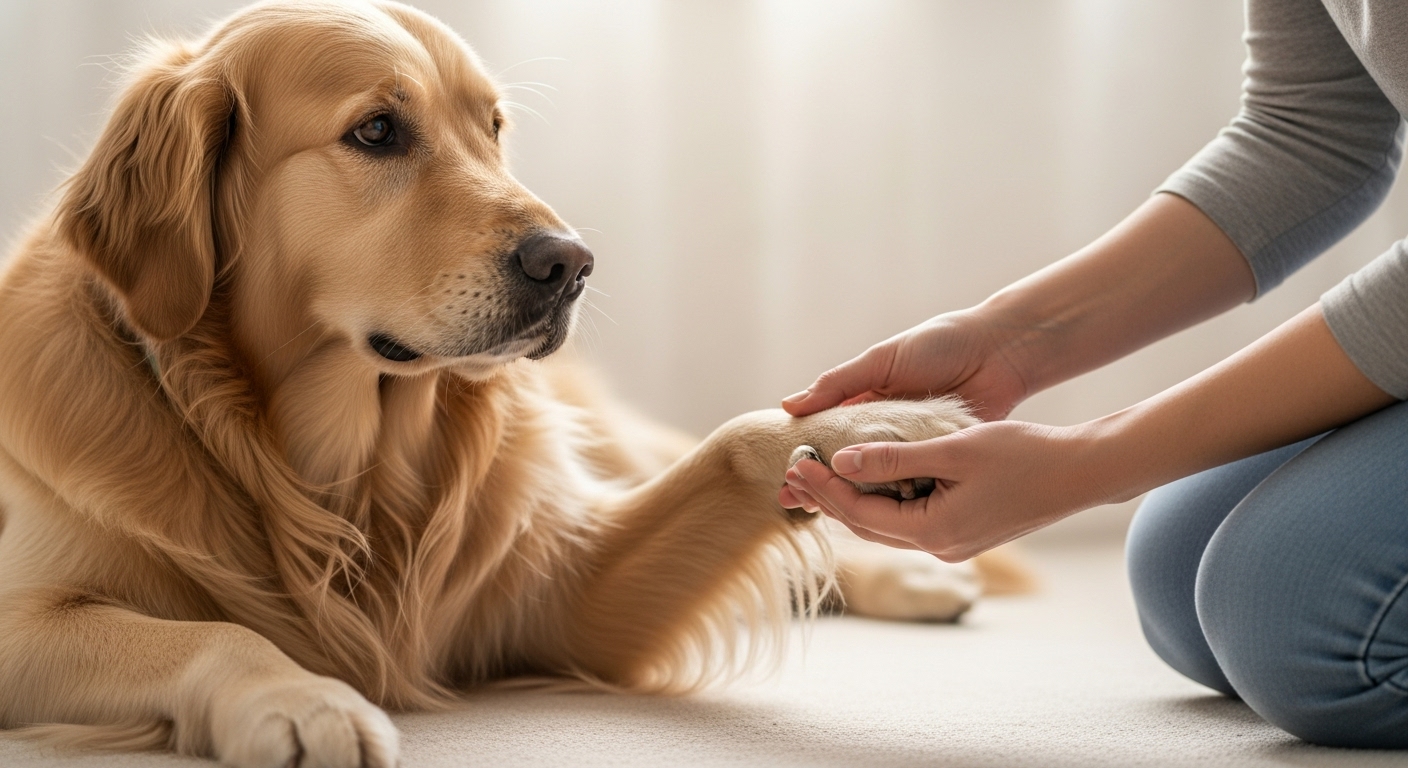
Inspect the paw pads carefully for wounds or lodged debris. Gently press along the toes and joints — if your dog reacts or pulls away, the issue may be painful. Clean minor cuts with saline solution, but see your vet for swelling, limping, or infection.
5. Boredom and Anxiety
When medical issues are ruled out, chewing may stem from behavioral causes. Dogs left alone for long periods, lacking mental stimulation or exercise, may resort to paw licking as a coping mechanism.
In these cases, licking releases endorphins — feel-good chemicals that temporarily ease stress or boredom. However, over time it becomes habitual or compulsive.
What to do:
- Increase daily exercise and interactive play.
- Provide puzzle feeders or safe chew toys.
- Use positive reinforcement training to redirect focus.
- If anxiety is severe, consider consulting a behaviorist or veterinarian about calming supplements or training plans.
6. Hormonal or Immune Imbalances
Endocrine issues like hypothyroidism or Cushing’s disease can cause dry, itchy skin and coat thinning, which often leads to paw chewing. These conditions alter hormone balance, making the skin more vulnerable to infection.
What to look for:
- Weight changes
- Thinning fur or flaky skin
- Lethargy or behavioral shifts
What to do:
Blood tests performed by your vet can detect hormonal imbalances. Once treated, paw licking usually decreases as skin health improves.
7. Habitual or Compulsive Behavior
If your dog continues chewing even after medical and environmental causes are addressed, it may have become a learned or compulsive habit.
This type of behavior often starts with an initial irritation or stress trigger but persists long after the cause is gone. It’s similar to humans biting their nails — repetitive, soothing, but difficult to stop without intervention.
Treatment tips:
- Distract and redirect with toys or gentle commands when the chewing starts.
- Reward calm behavior with treats or attention.
- Create a predictable daily routine to reduce anxiety.
- In severe cases, your vet may recommend anti-compulsive medication.
How to Help Your Dog Stop Chewing Their Feet and Legs
Once you’ve identified the likely cause, a combination of medical care, grooming, and behavioral training will bring relief.
Step 1: Check for Wounds and Clean the Paws
Inspect your dog’s feet daily, especially after walks. Clean them with lukewarm water or mild, vet-approved paw wipes. Keep nails trimmed and fur between the pads short to prevent debris buildup.
Step 2: Dry Thoroughly
Moisture is a breeding ground for bacteria and yeast. After cleaning, dry each paw gently but completely, paying attention to the areas between the toes.
Step 3: Use an Elizabethan Collar (If Needed)
If your dog has open sores or infections, an e-collar or recovery cone may be necessary to stop further chewing while healing.
Step 4: Apply Soothing Paw Balms
Paw balms containing aloe vera, coconut oil, or vitamin E can calm irritation and restore moisture. Avoid products with artificial fragrances or essential oils unless approved by your vet.
Step 5: Address Emotional Health
Provide more play, exercise, and enrichment. Interactive toys, scent-based games, and short training sessions can reduce stress-driven chewing.
Step 6: Improve Diet Quality
A nutrient-rich diet supports skin repair and reduces inflammation. Choose foods with omega-3s, zinc, and vitamin E. If food allergies are suspected, work with your vet to conduct an elimination diet or switch to a limited-ingredient formula.
Step 7: Regular Vet Checkups
Persistent paw chewing always warrants a veterinary visit. Your vet can perform allergy testing, check for infections, or rule out pain and endocrine issues.
When to See a Veterinarian
Contact your vet if you notice any of the following:
- Swollen, bleeding, or oozing paws
- Constant licking or biting that disrupts sleep
- Limping or refusal to walk
- Strong odor from the paws
- Sudden changes in behavior or appetite
These signs often mean there’s an infection, allergic reaction, or injury that needs medical attention. Early intervention prevents chronic issues and long-term discomfort.
FAQs About Dogs Chewing Their Feet and Legs
Why is my dog suddenly chewing its paws?
Sudden chewing is often triggered by irritation — such as allergies, insect bites, or debris stuck between the toes. Check the paws immediately for any visible signs of injury or swelling.
Is paw licking a sign of anxiety?
Yes. Dogs may lick or chew their paws to self-soothe during stress, boredom, or separation anxiety. Increasing playtime, training, and mental stimulation can help.
Can food cause paw chewing?
Absolutely. Food allergies or intolerances can cause skin inflammation that leads to itching and chewing. A dietary adjustment under vet supervision often resolves it.
Should I stop my dog from licking its paws?
Yes, if it’s excessive or causing harm. Gentle redirection, distraction with toys, or using a cone may be needed while addressing the cause.
What home remedies help itchy dog paws?
You can rinse paws with diluted apple cider vinegar (1 part vinegar to 2 parts water) or soak them in chamomile tea to relieve mild itching — but always consult your vet before trying home treatments.
Final Thoughts
Paw and leg chewing in dogs is common but never something to ignore. It’s a message that something — physical or emotional — is bothering your pet. From allergies and infections to anxiety and habit, the causes vary, but the solution starts with observation and care.
Check your dog’s paws regularly, maintain a healthy diet, and address stress with structured play, exercise, and positive training. If the behavior continues, consult your veterinarian to uncover the root cause and find a safe, effective treatment plan.
With patience, proper care, and understanding, you can help your dog stop chewing and enjoy a happier, healthier, itch-free life.
Want to understand your dog on a deeper level? Explore our Online Dog Courses — designed by animal behavior experts to help you solve common behavior issues, boost training success, and build a stronger bond with your pet right from home.