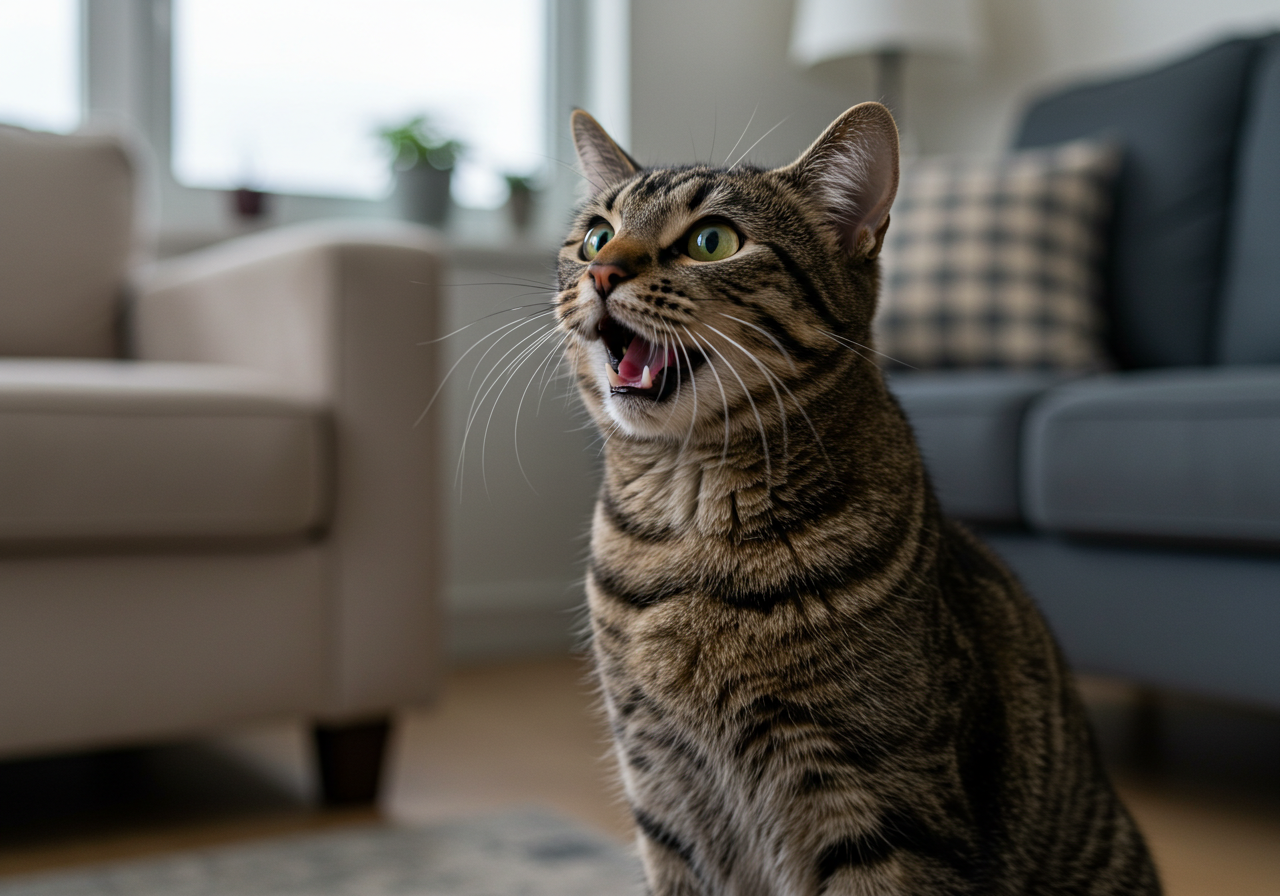
Is your cat meowing nonstop and leaving you puzzled or overwhelmed? You’re not alone. Cats meow to communicate with us, but when it becomes constant, it’s usually a sign that something needs attention. Understanding the reasons behind your cat’s excessive meowing can help you address its needs and restore peace to your home.
Let’s explore the most common causes of nonstop meowing and the steps you can take to fix the issue.
Hunger or Thirst
One of the most common reasons a cat won’t stop meowing is because they’re hungry or thirsty. Cats quickly learn that meowing gets your attention, especially around feeding times.
To fix this, check their food and water bowls. Are they empty or dirty? Try to set regular feeding times so your cat knows when to expect their meals. Providing fresh water daily can also prevent your cat from begging. Consider using an automatic feeder or water fountain if you’re often away from home.
Boredom
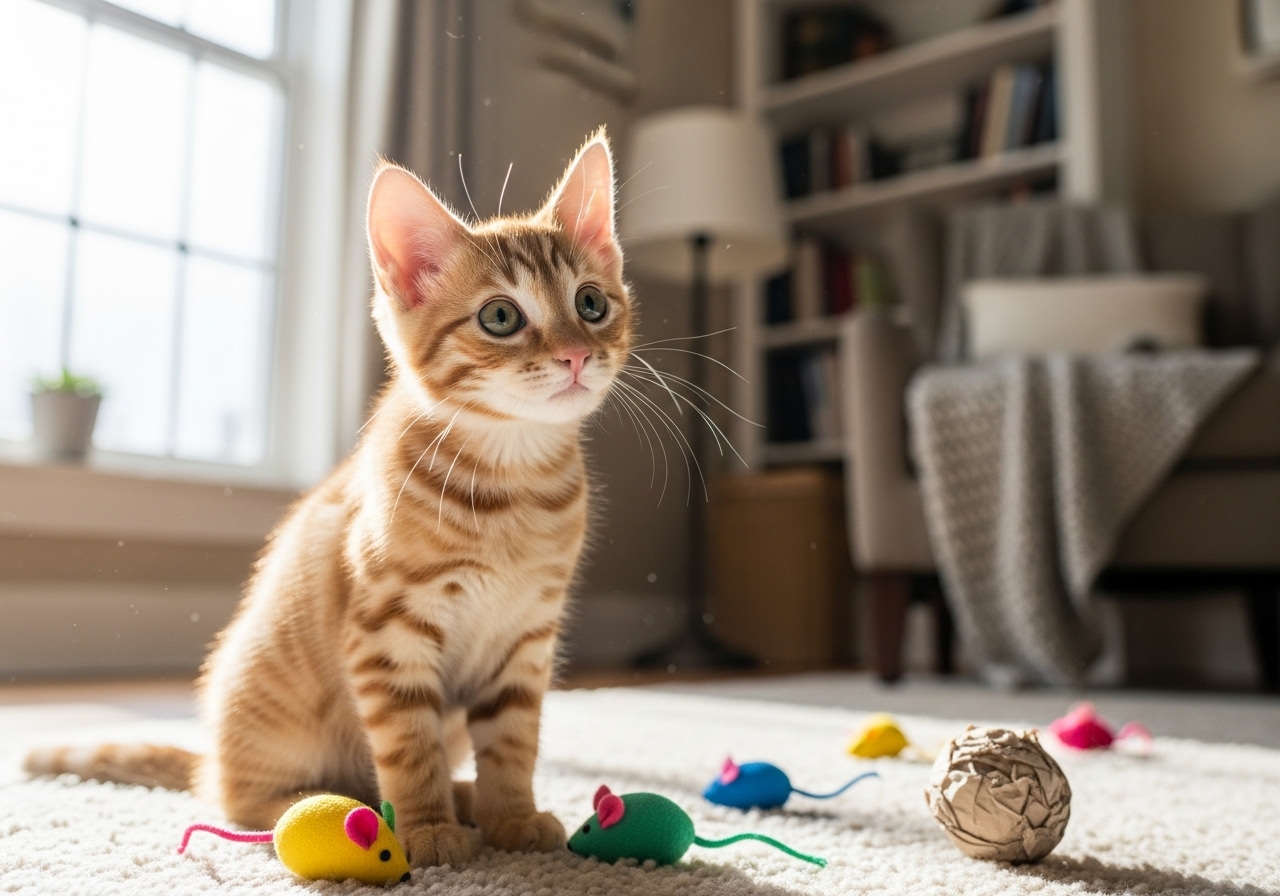
Cats are intelligent and curious animals. If they’re left alone for long periods without stimulation, they can get bored. Meowing becomes their way of asking for entertainment or interaction.
You can reduce boredom by playing with your cat every day. Even 15 minutes of interactive play with a wand toy or laser pointer can make a big difference. Providing puzzle toys or setting up a bird feeder outside a window gives your cat something fun to watch when you’re not around.
Seeking Attention
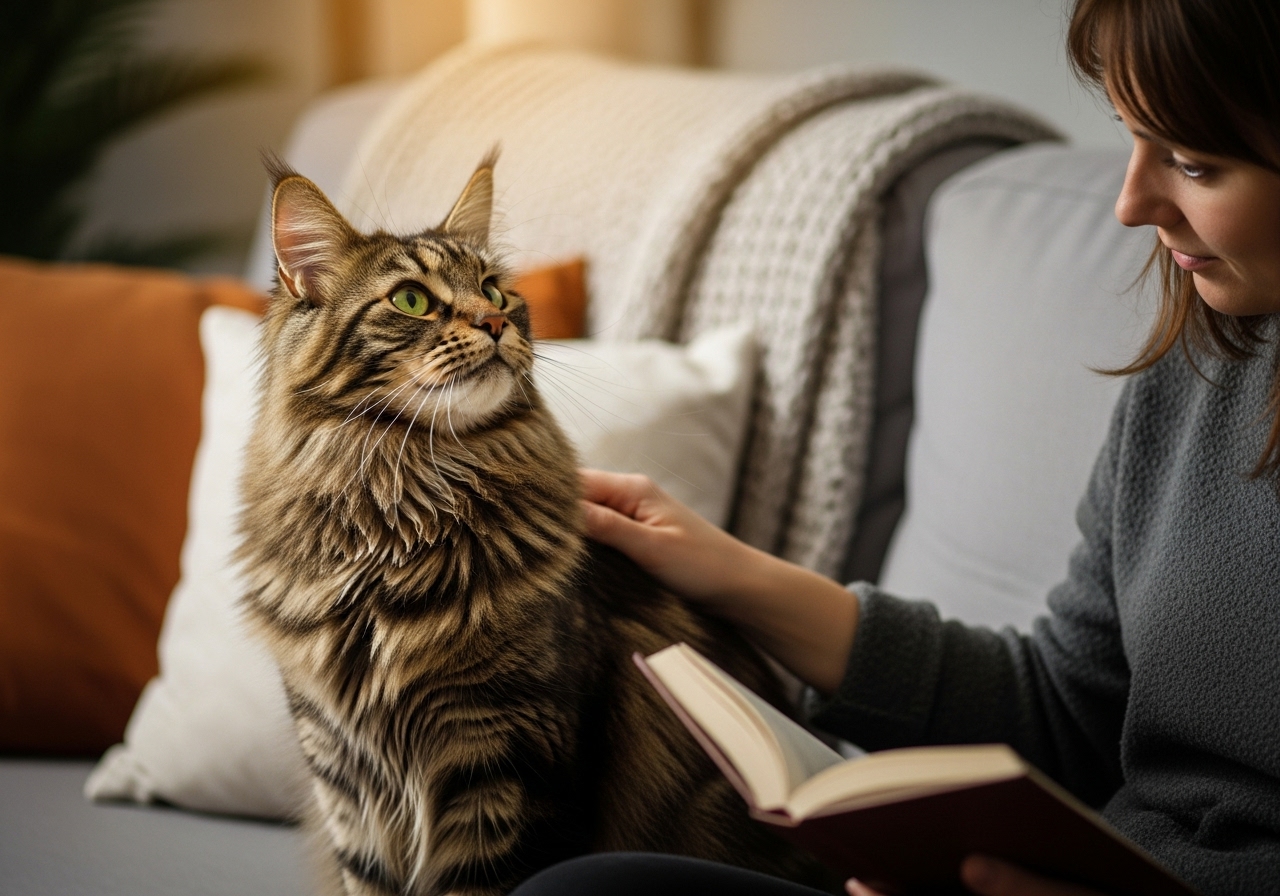
Sometimes, your cat just wants you. They might follow you from room to room, meowing for cuddles or playtime. If you respond every time, they may learn that loud meowing gets them what they want.
Try to reward your cat when they’re calm and quiet instead. Give them affection or a treat when they are resting or sitting peacefully. Ignoring loud meows (unless urgent) and reinforcing quiet behaviour helps break this attention-seeking cycle.
Stress or Anxiety
Cats are sensitive creatures. Changes in their environment, such as moving to a new home, the arrival of a new pet, or even loud noises, can cause stress and lead to excessive meowing.
To help your cat feel more secure, try to maintain a consistent routine. Create a quiet and cosy spot where they can retreat when overwhelmed. You can also use pheromone sprays or diffusers that mimic calming cat scents to ease their anxiety.
Medical Issues
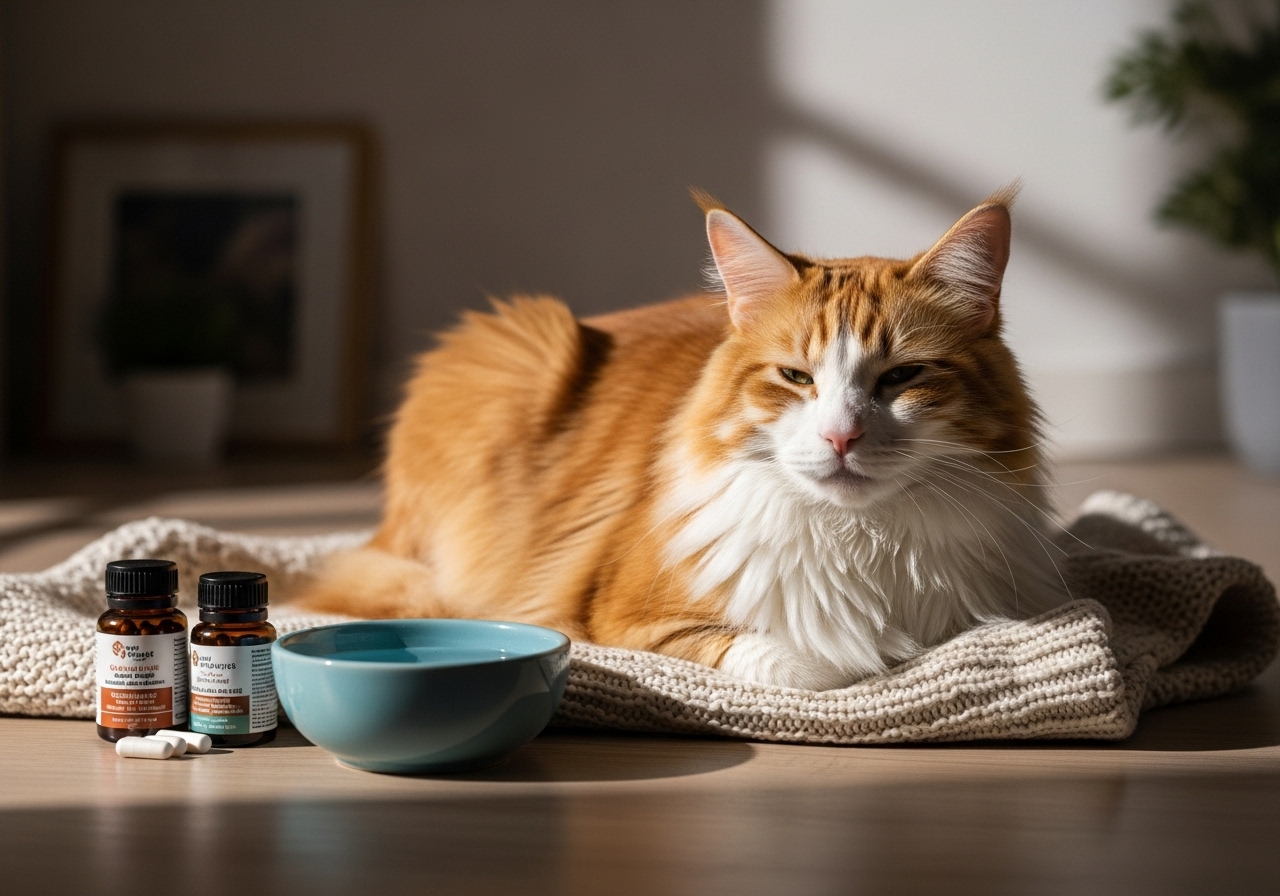
A sudden change in your cat’s behaviour, including nonstop meowing, could signal a medical issue. Conditions like hyperthyroidism, kidney disease, or pain can cause discomfort, leading your cat to vocalise more than usual.
Keep an eye out for other signs, such as changes in appetite, sleeping habits, grooming, or litter box use. If anything seems off, it’s best to visit your vet. It’s always better to rule out any underlying health problems early.
Ageing and Confusion
As cats age, they can experience cognitive changes. Older cats might meow more due to confusion, disorientation, or declining hearing and vision. This behaviour often worsens at night when the house is dark and quiet.
You can support your senior cat by maintaining a consistent and clutter-free environment. Night lights can help them navigate more easily, and your vet may suggest supplements or medications to manage age-related issues.
Mating Behavior
If your cat isn’t spayed or neutered, they may meow loudly when they’re in heat or trying to attract a mate. This kind of meowing is often more intense and persistent.
Spaying or neutering your cat not only helps reduce this behaviour but also offers health benefits and prevents unwanted litters. It’s a simple solution with lasting results.
Habit or Learned Behaviour
In some cases, cats develop a habit of meowing excessively because it has been effective in the past. If they’ve been rewarded with food, attention, or access to certain places when they meow, they’re likely to keep doing it.
To break this habit, be consistent with your responses. Avoid reacting to every meow. Stick to routines and reward your cat for the behaviour you want to see more often.
Territory Issues
Cats are naturally territorial. If they spot another cat outside, they may meow loudly as a warning or out of frustration. This is especially common in indoor cats who see outdoor cats near windows or doors.
You can help by blocking their view with curtains or frosted window film. Using calming sprays or diffusers in the area can also reduce their territorial stress.
Wanting to Go Outside
Indoor cats often meow near doors or windows because they’re curious about the outdoors. They may want to explore, hunt, or just enjoy the fresh air.
Instead of letting them roam freely, which can be dangerous, you can create safe outdoor experiences for them. Consider training them to walk on a harness or building a secure outdoor catio where they can enjoy nature without the risks.
When Should You See a Vet?
If your cat’s meowing is sudden, very loud, or comes with other changes in behaviour or appearance, it’s important to consult a veterinarian. Behavioural changes can often be the first sign of illness. Early diagnosis and treatment can make a significant difference in your cat’s health and overall well-being.
Quick Tips to Manage Excessive Meowing
Here are some quick and simple ways to manage meowing:
- Keep a routine for meals and playtime.
- Feed your cat at the same time every day.
- Make time for interactive play to reduce boredom.
- Try puzzle feeders to keep their minds busy.
- Avoid rewarding loud meows.
- Ensure the litter box is clean and easily accessible.
These small changes can significantly enhance your cat’s daily routine and help reduce unnecessary vocalisation.
Frequently Asked Questions:
Why does my cat meow at night?
Cats may meow at night due to boredom, hunger, or a desire for attention. Try giving them a good play session before bedtime and feeding them a small meal to help them settle down.
Is it normal for cats to meow a lot?
Some cats are naturally more vocal than others, but constant meowing may be a sign that something needs attention, such as stress, hunger, or a medical issue.
Can I train my cat to meow less?
Yes. With consistent routines and rewards for quiet behaviour, you can reduce unnecessary meowing. Avoid rewarding loud meows with food or attention.
When should I worry about my cat’s meowing?
If your cat starts meowing more than usual without an obvious cause or shows signs of pain or illness, contact your vet.
Does neutering or spaying stop meowing?
It can help. Cats in heat or looking for mates tend to meow loudly. Spaying or neutering often reduces this behaviour.
Final Thoughts
Cats meow for many different reasons, and each one gives you a clue about what your feline friend needs. Whether it’s hunger, boredom, stress, or health-related issues, there is always something you can do to help. The key is to listen carefully, respond with patience, and provide your cat with the love and care it deserves.
Understanding your cat’s behaviour can lead to a calmer, more connected relationship and a much quieter home.
If you want to understand your cat and improve their quality of life, truly, now is the time to take action. Visit Animal Wellness Academy for expert-led courses, simple pet care tips, and trustworthy advice from professionals in animal wellness.
Learn how to cultivate a deeper connection with your pet. Learn what their behaviours mean, and become confident in your caregiving. Start learning today and give your cat the love, care, and understanding they truly deserve. They’ll thank you with purrs, calmness, and companionship.