Veterinary professionals understand that longevity isn’t simply about adding years to a dog’s life—it’s about adding quality to those years. A well-rounded approach considers the whole animal, addressing physical health, mental stimulation, nutrition, and preventive care together to maximize both lifespan and healthspan.
1. Nutrition as Foundation
Proper nutrition throughout life stages is essential for longevity. Senior dogs often require adjusted protein levels to maintain lean body mass, which directly correlates with reduced illness and mortality risk. Research suggests older dogs benefit from slightly higher protein diets—around three grams per kilogram of ideal body weight—contrary to many commercial senior formulas that offer lower protein.
Long-chain omega-3 fatty acids (EPA and DHA) support joint health and cognitive function. Marine-based fish oils can help manage arthritis and may slow cognitive decline. Additionally, supplements like SAMe support liver health, while glucosamine and chondroitin maintain joint integrity.
Weight management cannot be overstated. With approximately 60 percent of dogs now overweight or obese, maintaining ideal body condition is crucial. Excess weight increases risks of arthritis, diabetes, heart disease, and shortened lifespan. Calculate appropriate caloric needs based on ideal weight, and don’t forget that treats should represent a minimal percentage of daily intake—vegetables make excellent low-calorie alternatives.
2. Preventive Healthcare
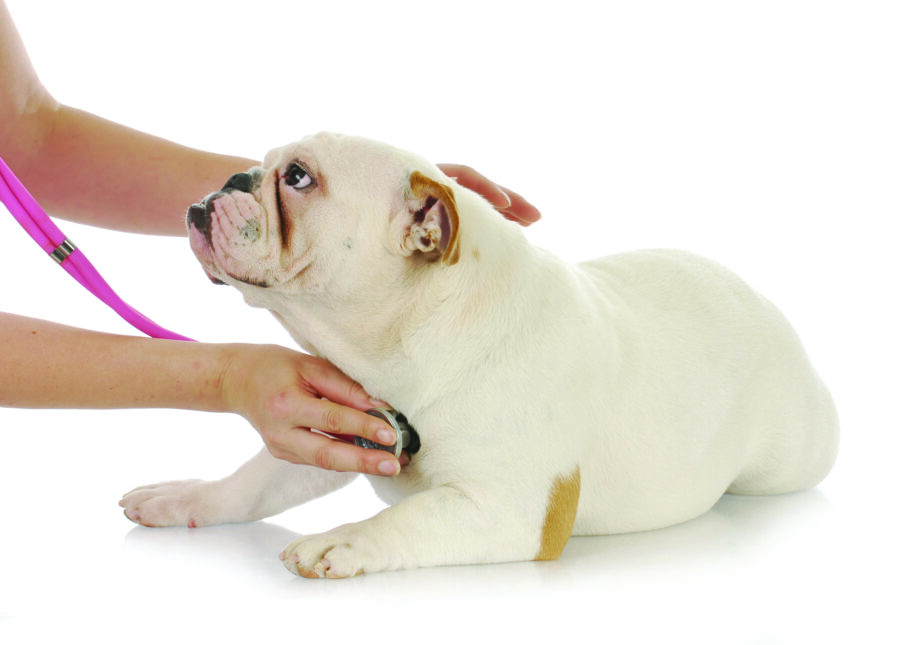
Regular veterinary examinations—at least every six months for senior dogs—allow early detection of age-related conditions. Dental care is particularly important, as periodontal disease can lead to systemic problems affecting the kidneys, liver, and heart. Daily tooth brushing remains the gold standard for home dental care.
Monitor for cognitive dysfunction syndrome using assessment tools like the DISHAA questionnaire, which evaluates disorientation, interactions, sleep patterns, house soiling, and activity levels. Early intervention with prescription diets, medications like selegiline, or environmental modifications can significantly improve quality of life.
3. Physical and Mental Enrichment
Appropriate exercise maintains muscle mass and joint mobility while preventing obesity. Tailor activities to individual capabilities—older dogs benefit from “sniffathons” rather than intense exercise. Swimming, modified agility courses, and scent work provide low-impact options that engage both body and mind.
Mental stimulation through training, food puzzles, and new experiences helps combat cognitive decline. Contrary to popular belief, older dogs absolutely can learn new behaviors, and this mental engagement supports brain health.
4. Letting Clients Know the Importance of Regular Monitoring
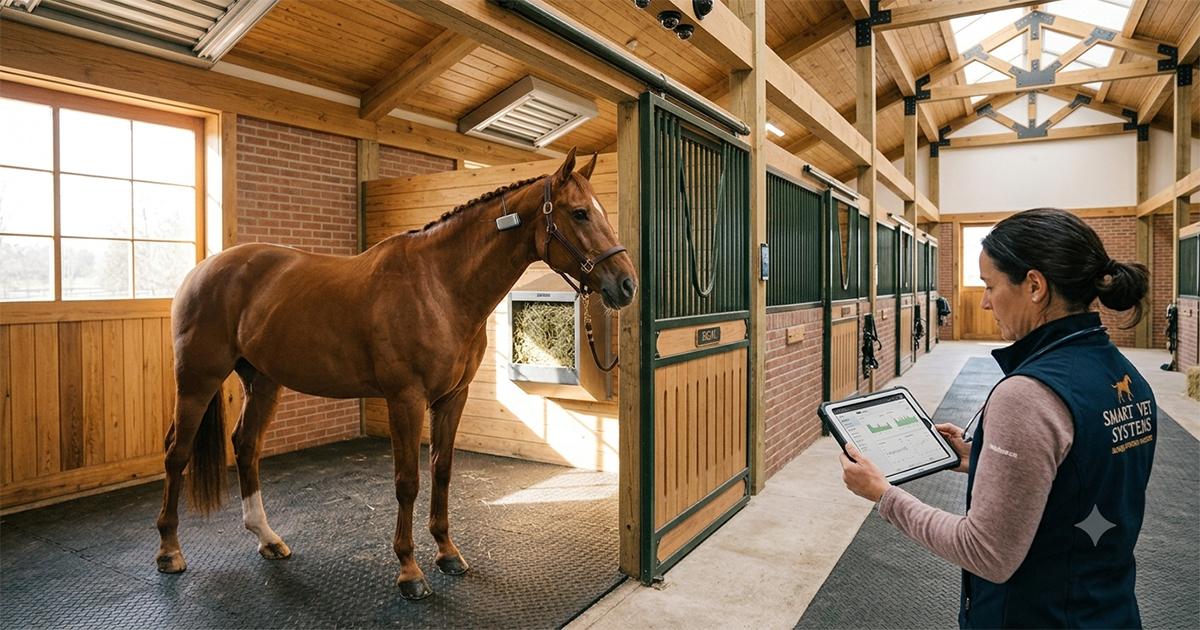
Regular monitoring is one of the most powerful tools vets have for extending our canine patients’ lifespans and maintaining their quality of life. Yet many clients don’t fully understand why those six-month checkups—or even more frequent visits for senior dogs—are so critical. Veterinary professionals need to do better at educating our clients about the value of consistent monitoring throughout their dog’s life.
The challenge is that many serious conditions develop gradually and silently. Periodontal disease affects 80-90% of dogs over three years old, yet owners often don’t recognize it until it’s advanced because early stages show no obvious signs. Similarly, conditions like diabetes, cognitive dysfunction, and even certain genetic predispositions may be present long before clinical symptoms appear. By the time owners notice something is wrong, veterinarians are often managing advanced disease rather than preventing it.
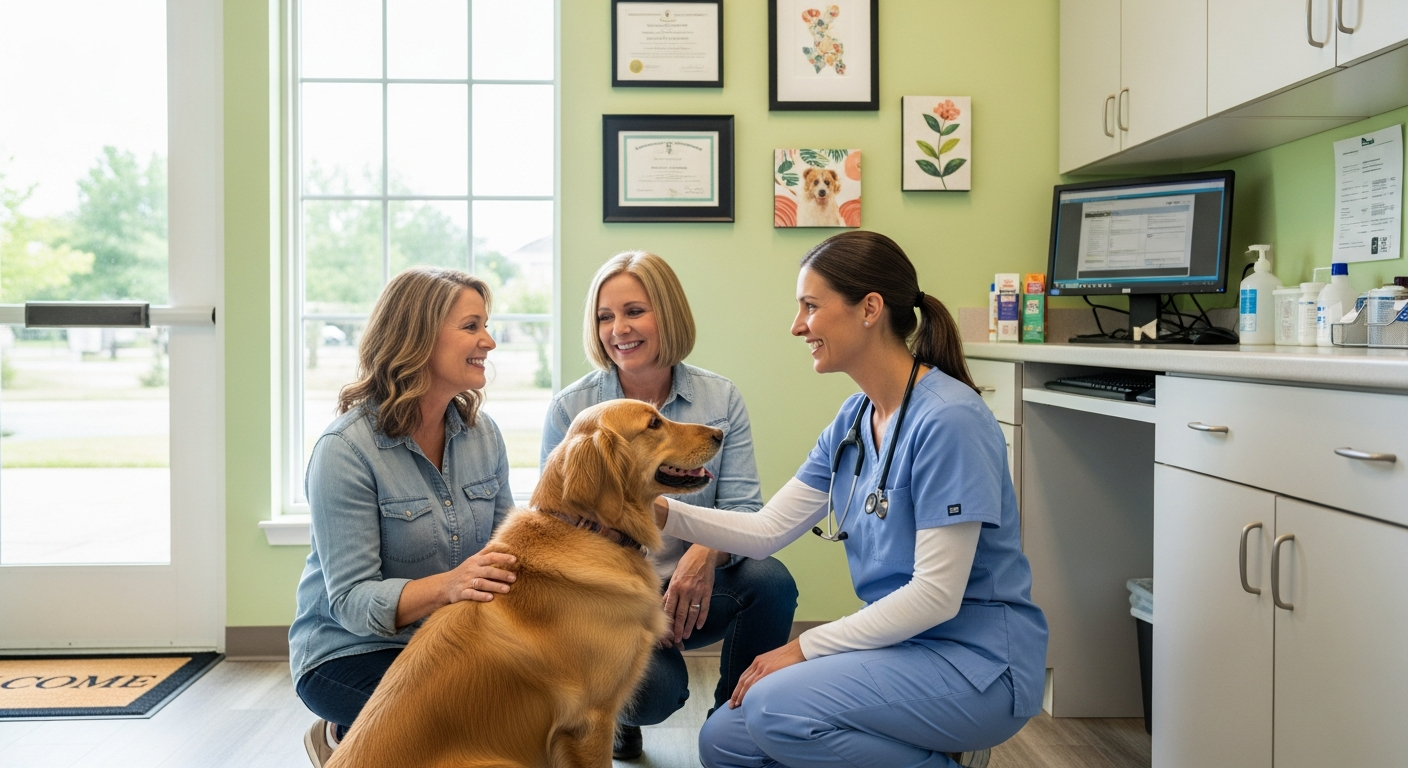
Educating clients effectively starts with clear communication about what vets are actually monitoring and why it matters. Rather than simply scheduling “checkups,” explain that there is an attempt to establish baseline values for their individual dog and watching for subtle changes over time. Help them understand that catching conditions early—whether it’s elevated phosphate levels that might indicate kidney issues, early dental disease, or weight gain that could lead to diabetes—gives us far more treatment options and better outcomes.
Make monitoring relatable to their daily lives. Many clients understand the value of their own regular medical screenings. Draw parallels between human preventive care and what we’re doing for their pets. Use specific examples: “Just like you get annual bloodwork to catch problems early, testing your dog’s kidney and liver function annually helps us spot issues before your dog feels sick.”
Create a customized monitoring plan based on each dog’s breed, age, and risk factors. A seven-year-old Cairn Terrier needs different monitoring than a young mixed breed. Document this plan clearly and review it with clients annually, adjusting as their dog ages or circumstances change. This shows clients you’re providing personalized, thoughtful care rather than cookie-cutter recommendations.
Finally, empower clients to be partners in monitoring at home. Teach them what to watch for between visits and provide simple tracking tools. When clients feel involved and understand the “why” behind recommendations, compliance improves dramatically—and so do outcomes for our patients.
The Complete Picture
True longevity requires addressing all aspects of canine health simultaneously. By combining optimal nutrition, preventive care, appropriate exercise, mental enrichment, and regular monitoring, veterinarians can help their patients not just live longer, but thrive throughout their senior years.
As always, individualized recommendations are essential. Work closely with pet owners to develop customized wellness plans that address each dog’s unique needs, medical history, and lifestyle. This comprehensive approach represents the best opportunity to maximize both the quantity and quality of canine patients’ lives.