
Veterinary professionals frequently encounter canine patients requiring gastrointestinal support. While pharmaceutical interventions are efficacious, pet owners increasingly inquire about natural options. Understanding the alternatives allows us to provide informed guidance to our clients.
Probiotics: The Most Researched Option
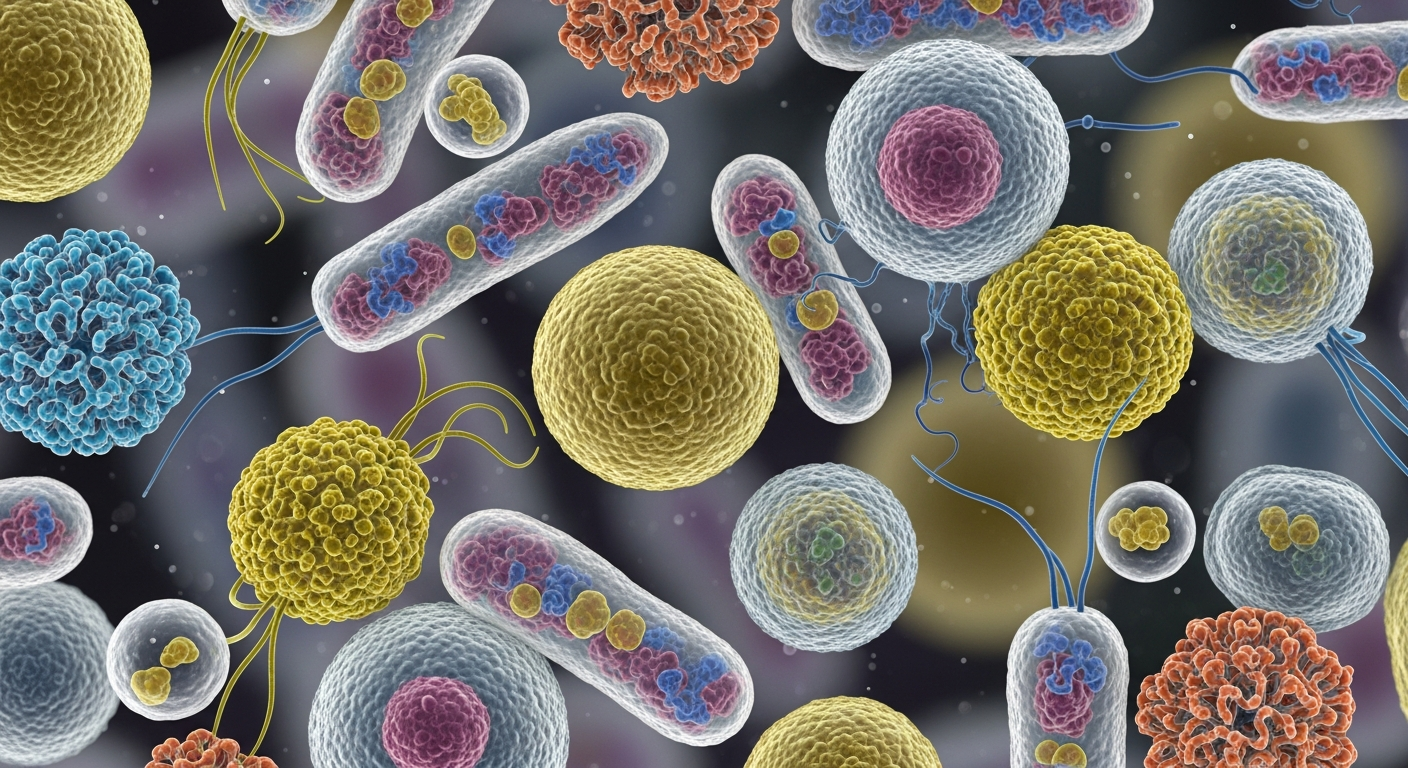
Probiotics represent the most scientifically supported natural gastroprotectant available. These beneficial microorganisms work by normalizing intestinal conditions, changing local acidity, and releasing short-chain fatty acids. This creates an environment where harmful bacteria struggle to thrive, as probiotics compete for the same nutrients and resources.
Research supports specific strains for gastrointestinal protection. Bifidobacterium animalis (strain AHC7) shows effectiveness for acute diarrhea, while Enterococcus faecium (strain SF68) and Lactobacillus acidophilus improve stool quality and frequency. The recommended dosage ranges from 1-10 billion colony forming units (CFUs) daily for dogs.
When recommending probiotics, ensure products include expiration dates, exact species identification, CFU counts, and guarantees for live organisms.
Dietary Management as Gastroprotection
Novel protein and limited ingredient diets serve as effective gastroprotectants for food-responsive enteropathies. Home-prepared diets using ingredients like tilapia, pork tenderloin, or lean turkey combined with easily digestible carbohydrates can provide relief when commercial options fail. These approaches work best when implemented systematically with proper transition periods.
For inflammatory bowel disease cases, low-fat formulations with adequate protein help protect the gastrointestinal tract while supporting overall health. Vitamin and mineral supplementation remains essential when using restricted diets long-term.
Omega-3 Fatty Acids
Marine-derived omega-3 fatty acids, particularly EPA and DHA, offer anti-inflammatory properties that may benefit dogs with gastrointestinal inflammation. While most research focuses on arthritis applications, these fatty acids could potentially support GI tract health through similar mechanisms.
Fiber Supplementation
Psyllium husk provides soluble fiber that can improve fecal quality and consistency. When properly hydrated and mixed with food, approximately one teaspoon per 300 kilocalories can help firm stools and support overall digestive function.
Clinical Recommendations
When discussing natural gastroprotectants with clients, emphasize that these options work best as part of comprehensive care. Always recommend proper diagnostic work-up before starting any supplementation protocol.
Success with natural gastroprotectants varies significantly between individual dogs. Some patients respond excellently to dietary modification and probiotic therapy, while others require other interventions.