

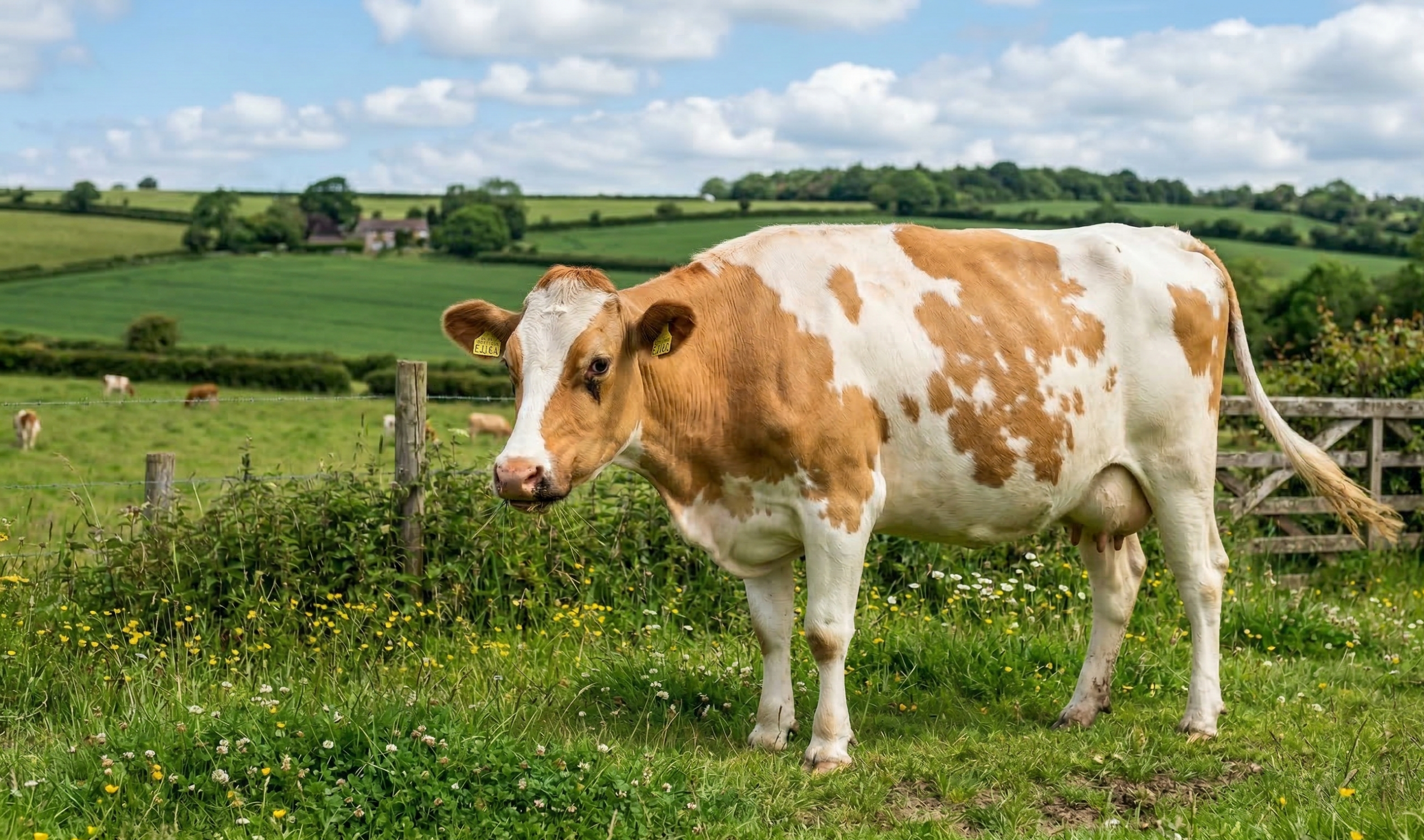
Recent advancements in artificial intelligence have led to a groundbreaking development in understanding animal emotions. A study conducted by researchers in Milan has introduced an AI for decoding animal emotions, which is a deep-learning model capable of interpreting whether the calls of various hoofed animals express positive or negative emotions. This innovative approach has significant implications for veterinary medicine and animal welfare.
The AI model, developed by Stavros Ntalampiras, analyzes vocalizations from seven species, including pigs, goats, and cows. It identifies acoustic features such as pitch, frequency range, and tonal quality that correspond to emotional states. The findings indicate that negative calls often fall within a mid to high-frequency range, while positive calls display a more balanced distribution across the spectrum. For example, high-pitched calls in pigs were particularly revealing, whereas sheep and horses showed mid-range frequencies as more indicative of emotion.
This technology could revolutionize how veterinarians monitor animal well-being. By providing early warnings of stress in livestock, farmers can respond promptly to prevent more severe welfare issues. Conservationists could also utilize this model to remotely assess the emotional health of wild populations, leading to better-informed management strategies.
However, the use of AI in animal communication does raise ethical questions. If an algorithm is capable of detecting distress signals, what responsibilities do humans have to mitigate that distress? Moreover, there’s the risk of over-generalization, where one might assume that similar vocalizations across species convey identical emotional meanings.
Similar efforts are underway in other animal groups, including whales and dogs, where researchers are linking vocalizations, facial expressions, and behavioral patterns to emotional states. This holistic approach may enhance the effectiveness of interventions aimed at improving animal welfare.
While the potential of AI for decoding animal emotions is promising, it is crucial to integrate these findings with contextual knowledge from experienced veterinarians. As this technology develops, it could significantly enhance the understanding of animal emotions, leading to improved welfare practices in both domestic and wild species.