

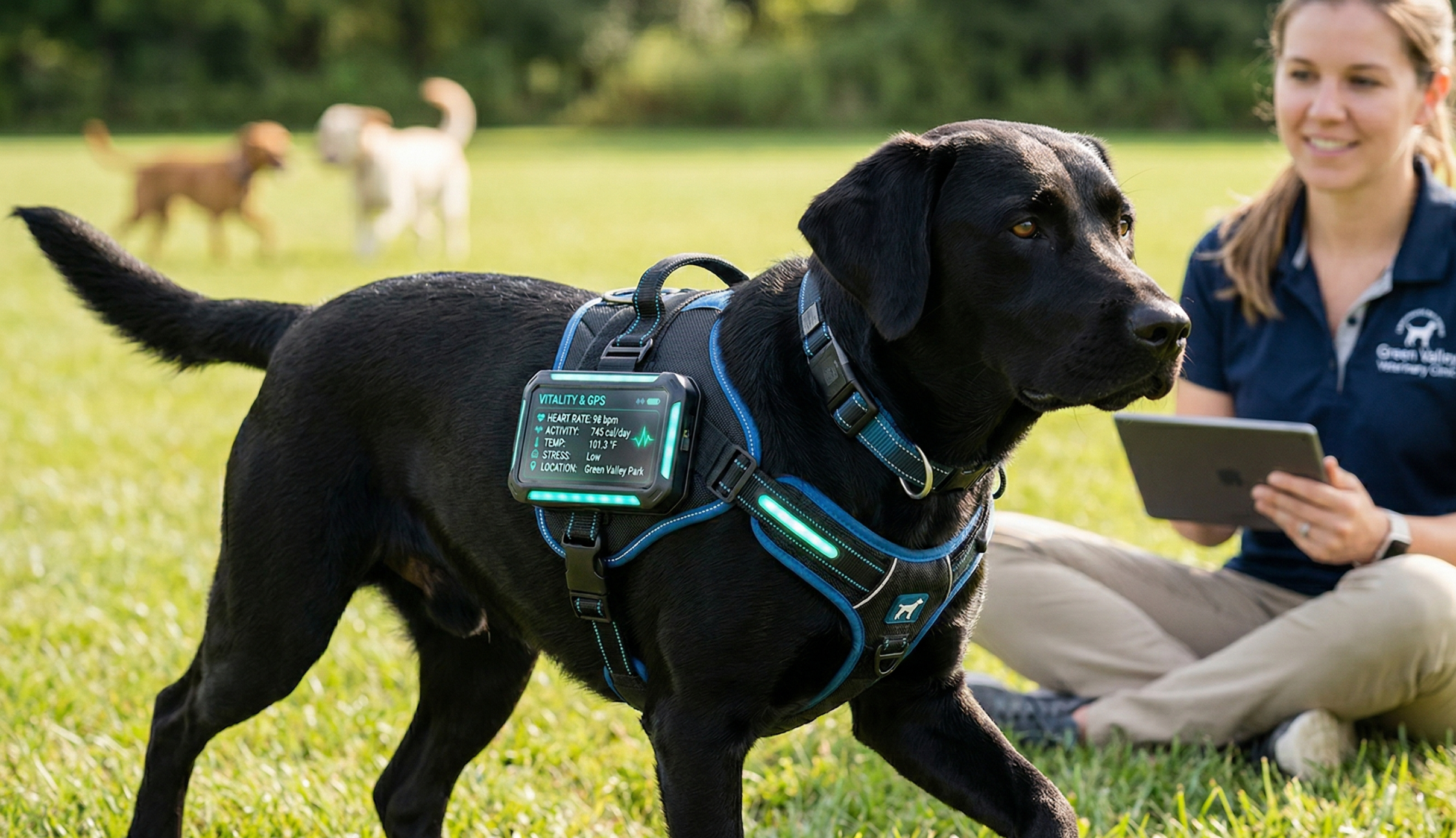
Wearable technology has revolutionized how we monitor and manage companion animal health. As integrative veterinary professionals, understanding these tools can enhance patient care and client engagement. Here are five key applications transforming our field:
1. Continuous Activity and Fitness Monitoring
Modern pet wearables track daily activity levels, exercise patterns, and rest periods with remarkable accuracy. These devices provide baseline data that helps identify subtle changes in mobility or energy levels before clinical signs become obvious. For patients recovering from surgery or managing chronic conditions like arthritis, this objective data proves invaluable. Veterinarians can adjust treatment protocols based on actual activity trends rather than owner perception alone.
2. Early Disease Detection Through Behavior Analysis
Advanced wearables now monitor behavioral patterns including scratching frequency, sleep quality, and movement symmetry. Changes in these metrics often precede observable clinical signs by days or weeks. For example, decreased nighttime rest quality might indicate pain or discomfort, while increased scratching patterns could signal dermatological issues or allergies. This early warning system allows for proactive intervention rather than reactive treatment.
3. Vital Sign Monitoring for Chronic Conditions
Newer wearable devices can track heart rate, respiratory rate, and body temperature continuously. For patients with cardiac disease, respiratory conditions, or metabolic disorders, this real-time data provides unprecedented insight into disease progression and treatment efficacy. Remote monitoring capabilities also reduce stress associated with frequent clinic visits while maintaining quality oversight of critical cases.
4. Weight Management and Nutritional Tracking
Obesity remains one of the most significant health challenges in companion animals. Wearable technology helps quantify energy expenditure and can integrate with feeding systems to track caloric intake. This data-driven approach to weight management improves compliance and outcomes. Veterinary professionals can set specific activity goals and monitor progress objectively, making nutritional counseling more effective and personalized.
5. GPS Location and Safety Features
While primarily a safety tool, GPS-enabled wearables provide valuable behavioral insights. Tracking roaming patterns, territorial behaviors, and environmental exposures helps veterinarians understand potential risk factors for disease or injury. For anxious or epileptic patients, geofencing alerts can notify owners immediately if pets wander beyond safe boundaries, potentially preventing emergencies.
Implementation Considerations
When recommending wearable technology, consider device accuracy, battery life, water resistance, and data integration capabilities with your practice management software. Educate clients on proper use and realistic expectations. Remember that wearables complement, not replace, regular veterinary examinations and professional assessment.