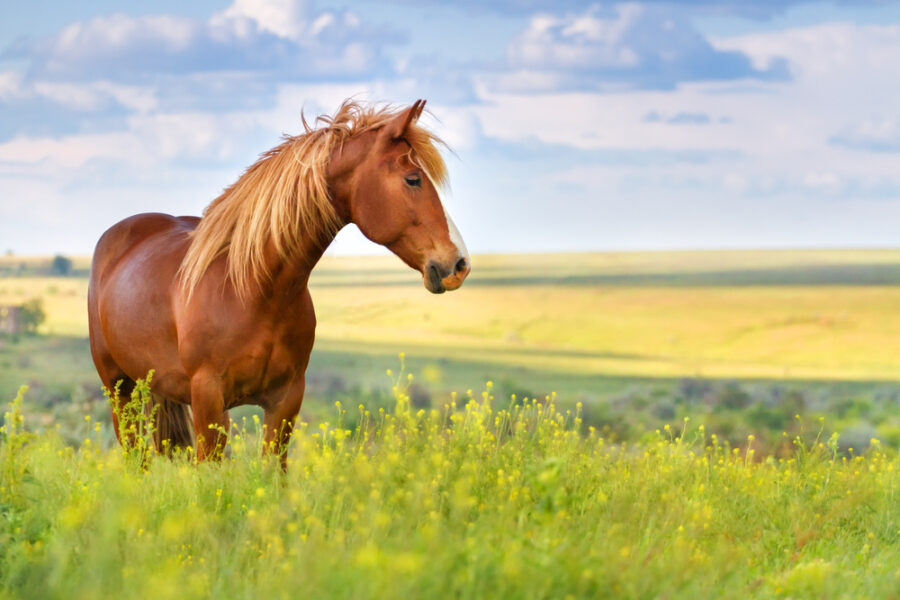

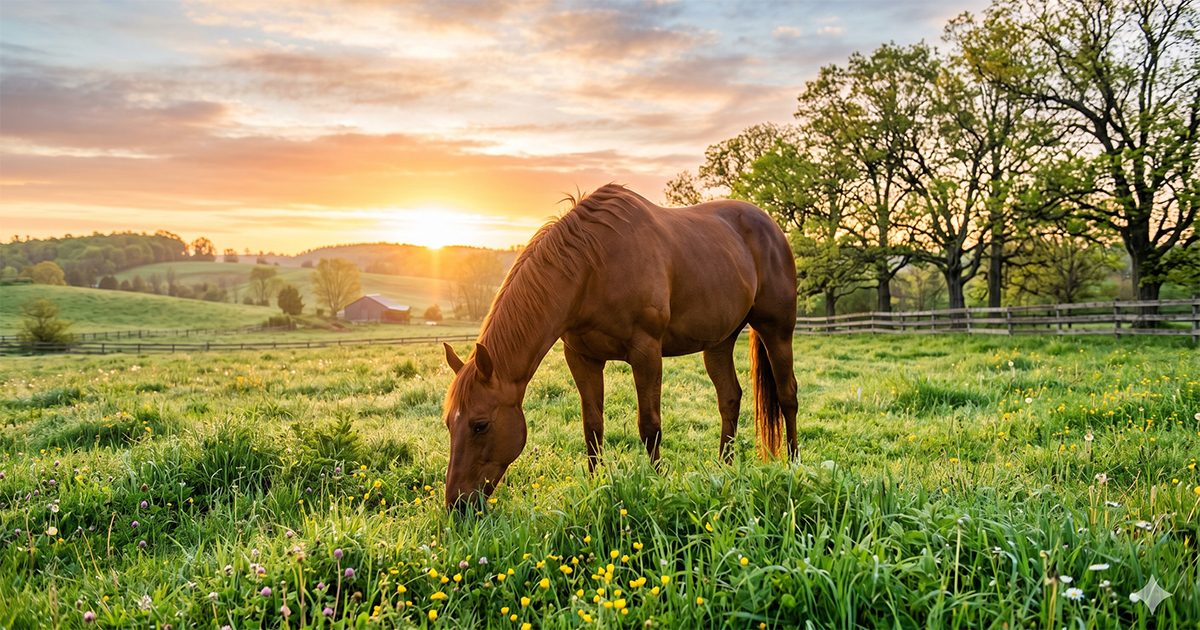
As winter fades and fresh spring grass begins to emerge, many horse owners start thinking about “detoxifying” their horses. Social media and supplement marketing often promote dramatic cleanse programs, restrictive feeding plans, or complex supplement combinations designed to “flush toxins” from the body. But what does detox actually mean for horses — and what truly supports their health during seasonal transitions?
The reality is that horses already possess highly sophisticated natural detoxification systems. Rather than forcing the body through aggressive cleanses, the healthiest approach is usually about supporting the organs and systems already designed to do the work naturally.
Here’s what horse owners should know about spring detoxification, liver and lymphatic health, safe herbal support, and the myths that can sometimes do more harm than good.
Horses Naturally Detox Every Day
A healthy horse is constantly detoxifying. The body continuously processes waste products, environmental exposures, metabolic byproducts, and dietary compounds through several key systems, including:
- The liver
- Kidneys
- Gastrointestinal tract
- Skin
- Lymphatic system
- Respiratory system
The liver serves as the body’s primary filtration and processing center, breaking down substances and preparing them for elimination. Meanwhile, the lymphatic system helps move fluids, waste products, and immune cells throughout the body.
In other words, detoxification isn’t a one-time event — it’s an ongoing biological process.
Spring can, however, place additional demands on the body due to:
- Increased pasture sugars
- Seasonal allergies
- Mud, mold, and environmental changes
- Shifts in exercise routines
- Shedding and metabolic adjustments
- Changes in feeding schedules
Supporting these transitions gently and naturally can help horses maintain balance without overwhelming their systems.
Understanding Liver Support in Horses
The liver plays an important role in:
- Nutrient metabolism
- Hormone processing
- Waste filtration
- Inflammatory regulation
- Energy balance
- Digestive support
When horse owners talk about “detox,” they are often really referring to liver support.
Signs that may indicate a horse could benefit from veterinary evaluation and supportive wellness care include:
- Poor coat quality
- Low energy
- Digestive irregularities
- Increased skin sensitivity
- Difficulty maintaining weight
- Mild seasonal itchiness
- Changes in appetite
However, it’s important not to assume these signs automatically mean “toxins” are building up. Many health issues can produce similar symptoms, so veterinary guidance is always recommended if concerns arise.
The Lymphatic System: The Overlooked Detox Pathway
The equine lymphatic system receives far less attention than the liver, yet it plays a critical role in circulation and immune health.
The lymphatic system helps:
- Transport immune cells
- Remove cellular waste
- Regulate fluid balance
- Support inflammatory responses
Unlike the cardiovascular system, the lymphatic system has no central pump. Instead, it relies heavily on movement and muscle contraction to circulate lymph fluid throughout the body.
This is one reason turnout and regular exercise are so beneficial for horses.
Natural ways to support healthy lymphatic flow include:
- Daily movement and turnout
- Proper hydration
- Massage and bodywork
- Stretching exercises
- Balanced nutrition
- Maintaining healthy weight
Restricted movement, prolonged stalling, and inactivity can negatively impact lymphatic circulation over time.
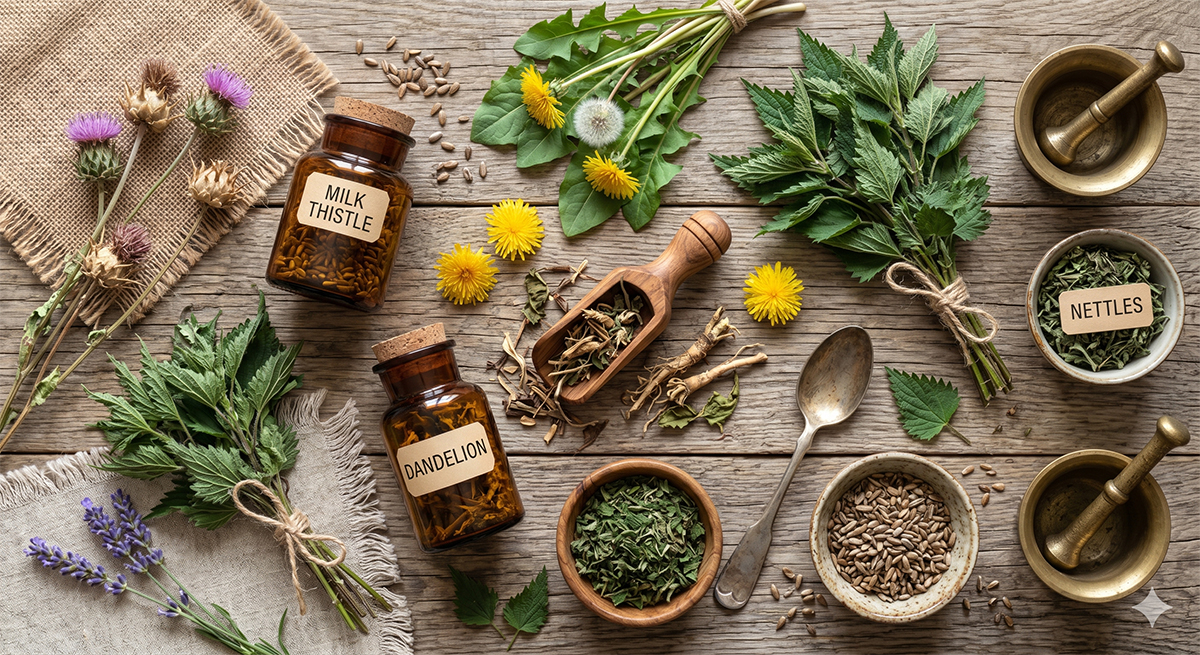
Safe Herbs for Seasonal Transition Support
Herbal support can be a gentle way to help horses during spring transitions, but herbs should always be used thoughtfully and ideally with professional guidance.
Some commonly used herbs for seasonal wellness include:
Milk Thistle
Milk thistle is widely used to support liver health due to its active compound, silymarin, which may help protect liver cells from oxidative stress.
Potential benefits:
- Liver support
- Antioxidant activity
- Support during dietary transitions
Dandelion
Dandelion has traditionally been used to support digestion and normal fluid balance.
Potential benefits:
- Mild digestive support
- Natural diuretic properties
- Seasonal transition support
Nettle
Nettle is rich in minerals and is often used during allergy season.
Potential benefits:
- Nutrient support
- Seasonal wellness
- Mild anti-inflammatory properties
Burdock Root
Traditionally used to support skin and liver health.
Potential benefits:
- Skin support
- Digestive wellness
- Gentle detoxification support
Even natural herbs can interact with medications or be inappropriate for certain horses, including pregnant mares or horses with metabolic conditions. Always consult a veterinarian or qualified equine herbal practitioner before introducing new supplements.
Detox Myths That Can Harm Horses
The equine wellness world is full of detox claims that sound appealing but may lack scientific support — or worse, create unnecessary stress on the body.
Myth #1: Horses Need Aggressive Cleanses
Extreme detox protocols, fasting, or harsh “purging” products can disrupt the digestive system and create unnecessary metabolic stress.
Horses are grazing animals designed for near-constant forage intake. Restrictive feeding practices can negatively affect gut health and increase ulcer risk.
Myth #2: More Supplements Mean Better Results
Over-supplementation is increasingly common. Combining multiple detox products, herbs, vitamins, and additives may overload the liver rather than support it.
Excessive supplementation can:
- Create nutrient imbalances
- Increase metabolic burden
- Interfere with nutrient absorption
- Waste money unnecessarily
More is not always better.
Myth #3: Every Horse Needs a Seasonal Detox
Not every horse requires targeted detox support. Healthy horses with balanced diets, turnout, hydration, and appropriate exercise are often already managing seasonal changes effectively.
Supportive wellness should focus on the individual horse rather than following trends.
Vet-Approved Holistic Ways to Support Spring Wellness
Instead of dramatic detox programs, many integrative veterinarians recommend focusing on foundational health practices that naturally support the body’s own detoxification systems.
Prioritize Forage
High-quality forage supports digestive health, microbial balance, and proper elimination.
Encourage Movement
Turnout and regular exercise support:
- Circulation
- Lymphatic flow
- Digestive function
- Mental wellness
Support Hydration
Adequate hydration is essential for kidney and metabolic function, especially during seasonal weather changes.
Minimize Environmental Stressors
Reducing exposure to:
- Dust
- Mold
- Chemical sprays
- Poor-quality feed can lessen the body’s overall inflammatory burden.
Feed a Balanced Diet
Rather than chasing detox trends, focus on:
- Balanced minerals
- Appropriate calorie intake
- Healthy fats
- Digestive support
- Species-appropriate nutrition
Work With Professionals
Holistic care works best when guided by:
- Veterinarians
- Equine nutritionists
- Qualified herbal practitioners
- Bodyworkers when appropriate
The Bottom Line
Spring can be an excellent time to reset healthy routines and support your horse’s overall wellness — but true detoxification isn’t about dramatic cleanses or miracle supplements.
The horse’s body already knows how to detox naturally. The most effective approach is usually the simplest:
- Proper nutrition
- Consistent movement
- Hydration
- Reduced stress
- Thoughtful herbal support when needed
- Veterinary-guided wellness care
By focusing on foundational health instead of aggressive detox trends, horse owners can help their horses transition into spring feeling balanced, energized, and resilient naturally.