How Do You Care for a Dog’s Paw Wound at Home?
A dog can injure a paw in seconds. A sharp object, rough surface, torn nail, or damaged paw pad can leave your dog limping and uncomfortable.
Paw injuries can also be tricky to manage. Dogs walk on their feet all day, and licking or chewing can make an injury worse.
TL;DR: Basic first aid can help protect a dog’s injured paw while you arrange veterinary care, but deeper wounds, persistent bleeding, burns, punctures, or embedded objects need professional attention. Our Caring for a Dog’s Paw Wound at Home course explores the basics of paw wound care and what dog owners should know when an injury happens.
What Should You Do If Your Dog Injures a Paw?
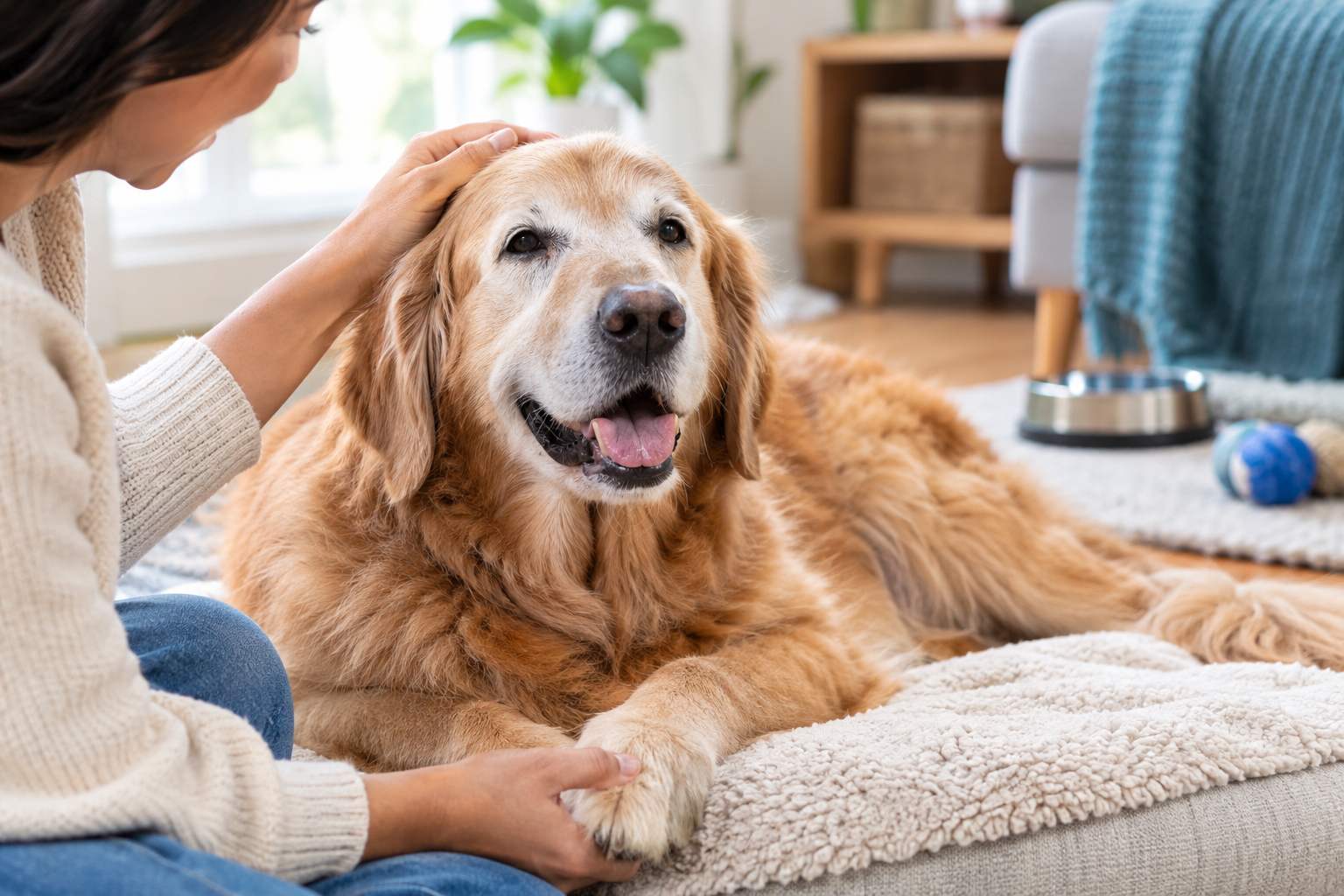
Start by keeping your dog calm and looking at the paw carefully.
If there is bleeding, gentle pressure with clean gauze or a clean cloth can help control it. If the bleeding continues despite pressure, veterinary attention is needed.
Try to determine what happened without causing more pain. A quick look may reveal a small cut or damaged pad. It may also show something that needs professional attention.
Be careful when handling an injured dog. Pain can cause even a normally gentle dog to react defensively.
How Do You Clean a Dog’s Paw Wound?
For a minor injury, gentle cleaning can help remove surface dirt and debris.
Veterinary guidance commonly recommends clean water or an appropriate saline solution for cleaning wounds. Avoid using products such as rubbing alcohol or hydrogen peroxide unless your veterinarian specifically tells you to use them. Some substances can damage tissue or delay healing.
There is also a difference between surface debris and something deeply embedded.
If you can see a foreign object that is deeply lodged in the paw, do not dig around trying to remove it. That can cause additional tissue damage and pain.
Should You Bandage a Dog’s Paw?
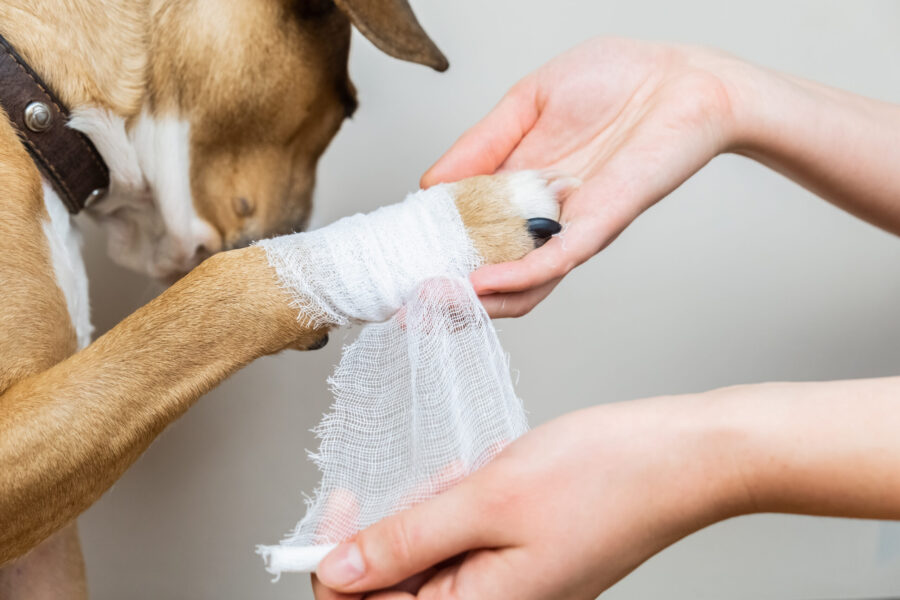
A bandage can sometimes protect an injured paw, but it needs to be used correctly.
A poorly fitted bandage can cause problems, including pressure and swelling. Your veterinarian can show you how to bandage the paw safely when a bandage is appropriate.
Paw injuries can also reopen because dogs continue to put weight on their feet. This can make foot-pad injuries particularly stubborn.
How Can You Stop Your Dog From Licking the Wound?
Licking is a common response to an injury, but it can interfere with healing.
Dogs can repeatedly lick or chew a wound until the area becomes more irritated. Your veterinarian may recommend an Elizabethan collar or another protective option if your dog cannot leave the injury alone.
The goal is to give the injured area a chance to heal without constant interference.
When Does a Dog’s Paw Wound Need Veterinary Care?
Knowing when home first aid is not enough is one of the most important parts of paw-wound care.
Veterinary attention is appropriate for deep cuts, punctures, burns, significant bleeding, deeply embedded foreign objects, or signs of infection such as increasing redness, swelling, discharge, or ongoing pain.
Even an injury that looks small can sometimes involve deeper tissue. Your veterinarian can determine how serious the wound is and whether additional treatment is needed.
If you are unsure about the injury, it is safer to contact your veterinary team rather than relying on home care alone.
What Should You Watch for While the Paw Heals?
Keep an eye on the wound and on your dog’s behavior.
Increasing swelling, redness, discharge, worsening pain, or continued limping can indicate that the injury needs another veterinary assessment.
Also pay attention if your dog keeps reopening the wound or refuses to put weight on the paw.
A change that seems minor at first can become more difficult if the injury is repeatedly irritated.
Can You Prevent Paw Injuries?
Not every paw injury can be prevented, but regular checks can help you spot problems early.
Look over your dog’s paws after walks, particularly if they have been walking on unfamiliar or rough surfaces. Pay attention to changes in the paw pads, nails, and the spaces between the toes.
It is also worth being aware of environmental hazards, including sharp objects and surfaces that can become extremely hot.
Why Is It Worth Learning About Paw Wound Care?
A paw injury can leave you wondering what you can safely do yourself and when your dog needs professional care.
Understanding the basics can help you respond calmly when an injury happens. It can also help you recognize when a wound needs more than first aid.
Take Our Course: Caring for a Dog’s Paw Wound at Home
Caring for a Dog’s Paw Wound at Home is a short course that explores how to respond when your dog has a paw injury.
In just a few minutes, you’ll learn more about caring for common paw wounds, what to watch for, and when veterinary attention may be needed.
It’s a quick introduction to practical paw wound care for dog owners.
Frequently Asked Questions
Can I treat my dog’s paw wound at home?
Some first-aid measures can help protect an injured paw while you arrange veterinary care. However, open wounds, deep injuries, burns, punctures, persistent bleeding, and other concerning injuries should be evaluated by a veterinarian.
What should I use to clean a dog’s paw wound?
Clean water or an appropriate saline solution can be used for basic wound cleaning. Avoid products such as hydrogen peroxide and rubbing alcohol unless your veterinarian specifically recommends them.
Why does my dog keep licking an injured paw?
Licking can be a response to discomfort or irritation. Repeated licking can interfere with healing, so your veterinarian may recommend a way to prevent your dog from reaching the wound.
When should I take my dog to the vet for a paw injury?
Seek veterinary care for deep cuts or punctures, burns, persistent bleeding, deeply embedded objects, significant pain, or signs of infection.
Can a dog’s paw wound get infected?
Yes. Open wounds can become contaminated, and signs such as increasing redness, swelling, discharge, or ongoing pain should be assessed by a veterinarian.