

Summer heat can turn pet care into a daily challenge. Your furry friend needs more than just shade and water to stay safe and comfortable. Crafting a summer pet wellness routine helps you prevent heatstroke, tackle pests, and ease anxiety with simple, effective steps. Let’s explore how you can build a plan that keeps pets happy and healthy all season long. Check out this guide for more summer pet safety tips.
Building a Summer Routine
Creating a routine for your pet in the summer is key to their well-being. It involves consistent hydration, safe exercise, and effective cooling strategies. Let’s dive into each aspect of this routine to ensure your pet stays healthy and happy.
Daily Hydration Essentials
Ensuring your pet is well-hydrated is crucial during hot days. Start by placing multiple bowls of fresh water around your home. This encourages your pet to drink more often. Consider adding a splash of low-sodium chicken broth to the water for added flavor. This can entice even the pickiest drinkers.
Monitor your pet’s water intake closely. Dogs typically need about an ounce of water per pound each day. Cats, being more finicky, might prefer running water. A pet water fountain could be a great investment for them. If you notice your pet drinking less than usual, try offering ice cubes as a fun alternative.
Safe Exercise Practices
Exercising your pet safely during summer is all about timing and environment. Aim for early morning or late evening walks when temperatures are cooler. This minimizes the risk of overheating. Always bring water along on walks to keep your pet hydrated.
Choose shaded parks or trails for outdoor activities. Avoid hot pavement as it can burn your pet’s paws. If you’re unsure, press the back of your hand to the ground for seven seconds. If it’s too hot for you, it’s too hot for your pet. Remember, short and frequent play sessions are better than a long walk in the heat.
Cooling Strategies for Pets 🌞
Keeping your pet cool is essential. Provide plenty of shade in your yard or home. A cooling mat can be a great addition to your pet’s resting area. These mats absorb body heat and offer a cool surface for your pet to lie on. Another option is to wet a towel and let your pet lie on it.
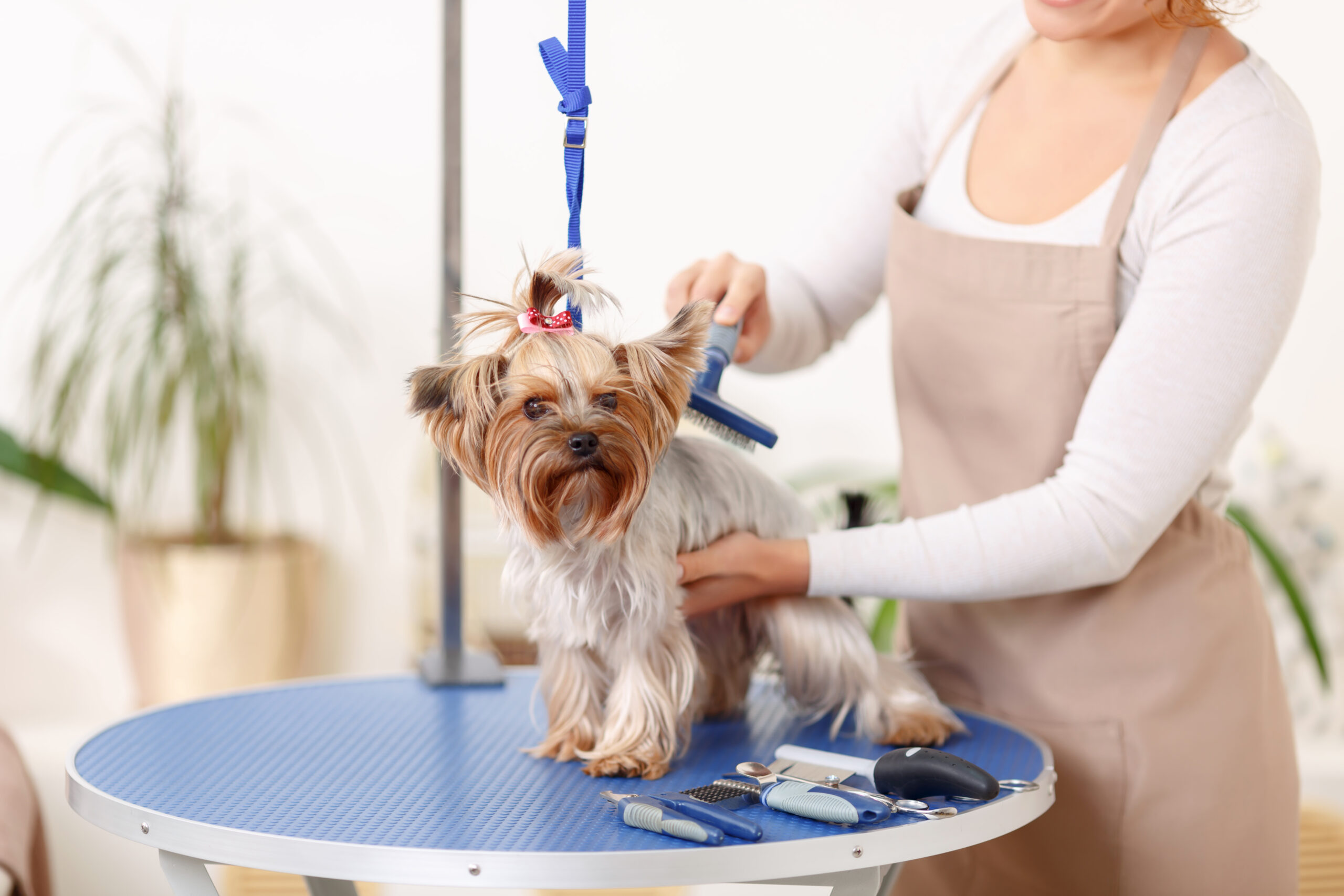
Fans and air conditioning can help regulate your pet’s temperature indoors. If your pet enjoys water, a kiddie pool can be a fun way to cool off. Just make sure to supervise them at all times. Keeping your pet’s fur brushed can also help with air circulation and cooling.
Preventative Care Tips

Preventative care is crucial for your pet’s health in summer. By focusing on natural solutions and being prepared for emergencies, you can protect your pet from common seasonal issues.
Natural Flea and Tick Prevention
Fleas and ticks are more active during summer. Natural prevention methods can be effective and safer for your pet. Consider using essential oils like lavender or cedarwood, diluted properly, to repel pests. Adding brewer’s yeast to your pet’s diet can also make them less appealing to fleas.
Regularly check your pet for ticks after outdoor activities. Pay close attention to areas like the ears, neck, and underbelly. Use a fine-toothed comb to remove any fleas. Keeping your yard clean and free of tall grass can reduce the chances of fleas and ticks.
Pet First Aid Summer Essentials
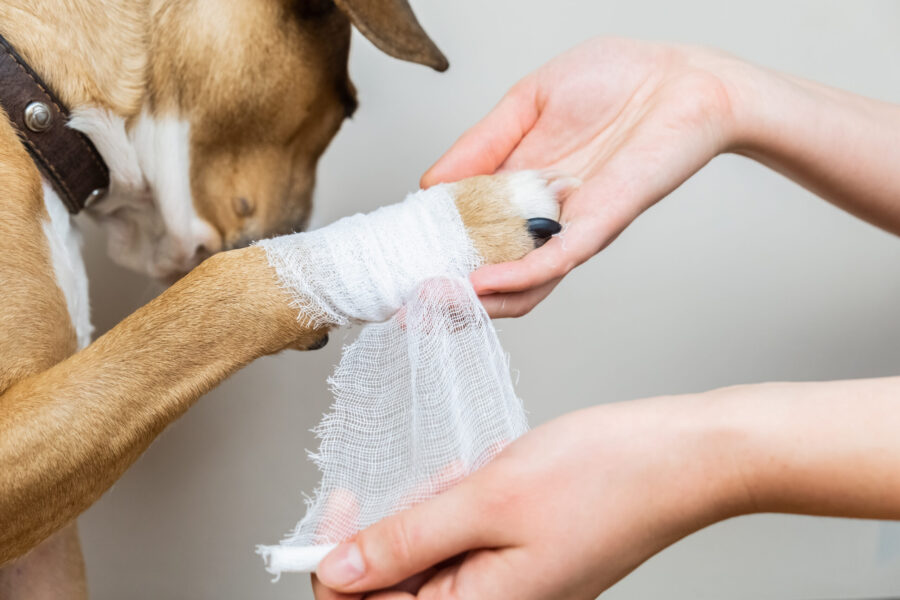
Being prepared for summer emergencies is important. A pet first aid kit should include items like bandages, antiseptic wipes, and a digital thermometer. Knowing basic first aid can make all the difference in a crisis.
Learn how to cool your pet safely if they show signs of heatstroke. Move them to a shaded area, wet their coat with cool (not cold) water, and offer small amounts of water to drink. Always seek veterinary care immediately if you suspect heatstroke.
Protecting Paw Pads 🐾
Hot surfaces can harm your pet’s paws. Protect them by using booties during walks on hot pavements. If your pet isn’t a fan of booties, consider paw waxes that create a protective barrier.
Regularly check your pet’s paw pads for cuts or burns. If you notice any injuries, clean them with mild soap and water and apply a pet-safe antiseptic. Keep your pet’s nails trimmed to prevent them from catching on rough surfaces.
Managing Summer Stressors

Summer comes with its own set of stressors for pets. From thunderstorms to travel, it’s important to manage these effectively to keep your pet calm and content.
Thunderstorm and Fireworks Anxiety
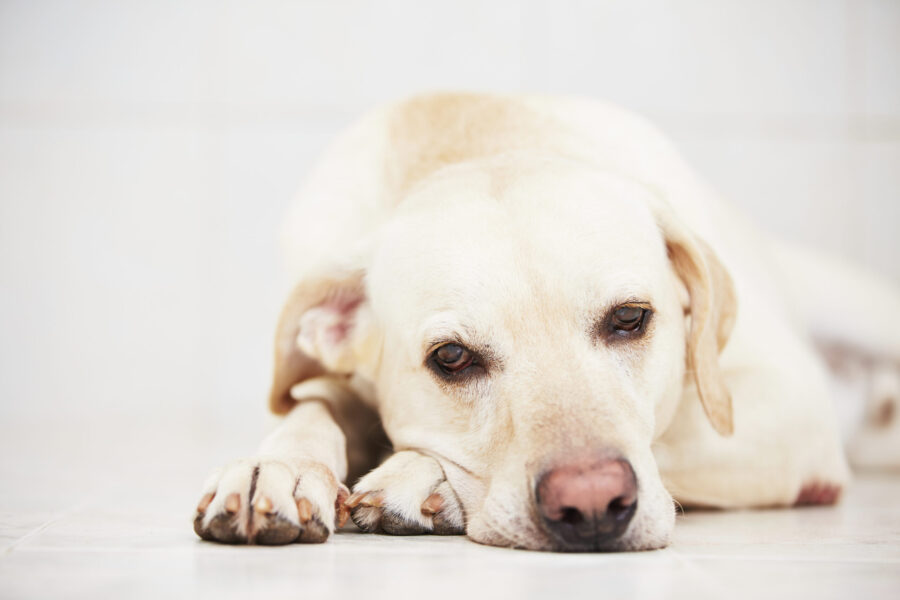
Loud noises from thunderstorms or fireworks can cause anxiety in pets. Create a safe space for them where they feel secure. This could be a quiet room or a cozy crate with their favorite blanket.
Consider using calming products like pheromone diffusers or anxiety wraps. Playing soothing music can also help drown out loud noises. If anxiety persists, consult your vet for additional options.
Stress-Free Travel with Pets
Traveling with pets requires planning. Start by acclimating them to the car with short trips. Use a pet seatbelt or carrier for safety. Keep the car well-ventilated and never leave your pet unattended.
Pack essentials like water, food, and a first aid kit. Regular breaks for walks and bathroom stops are crucial. Keeping your pet’s routine as normal as possible will help reduce stress.
Early Morning Exercise for Dogs 🚗
Exercising your dog in the early morning is ideal during summer. The cooler temperatures make it safer and more enjoyable for them. This is also a great time for you to bond with your pet.
Make the most of this time by exploring new trails or parks. Bring along a frisbee or ball for a fun play session. Always reward your dog with praise and fresh water after exercise.
Frequently Asked Questions
How can I prevent heatstroke in my dog?
Prevent heatstroke by ensuring your dog stays hydrated and cool. Avoid strenuous activities during peak heat hours and always provide shade and water.
What are natural ways to protect my pet from fleas and ticks?
Use essential oils like lavender or cedarwood, check your pet regularly, and maintain a clean yard to naturally deter fleas and ticks.
What should be included in a pet first aid kit for summer?
Include bandages, antiseptic wipes, a digital thermometer, and items to help cool your pet like cool packs or wet towels.