
5 Ways to Help Lower Your Dog’s Cancer Risk
Cancer is something no dog parent wants to think about. Yet knowing what you can do to support your dog’s health throughout life can make the subject feel a little less overwhelming.
You can’t control every factor that affects your dog’s cancer risk. Genetics, age, environmental exposure, and other factors all play a role. Still, everyday choices matter, especially when they become part of your dog’s routine for years.
TL;DR: You can’t guarantee that your dog will never develop cancer, but you can make thoughtful choices around nutrition, exercise, weight, environmental exposures, and preventive veterinary care. If you want to learn more about dog cancer prevention, take our 5 Ways to Prevent Your Dog Getting Cancer course.
Can everyday habits affect your dog’s cancer risk?
They can be part of the bigger picture.
Cancer is complicated, and there isn’t one food, supplement, or lifestyle change that can prevent it. That’s why it makes more sense to look at your dog’s overall routine instead of searching for a single magic solution.
Start with the basics.
A balanced diet, regular movement, a healthy body weight, appropriate veterinary care, and a safe home environment all contribute to your dog’s general well-being. These habits may also help support normal immune function and healthy aging.
Small choices repeated over time can add up.
What can you do to support your dog’s health?
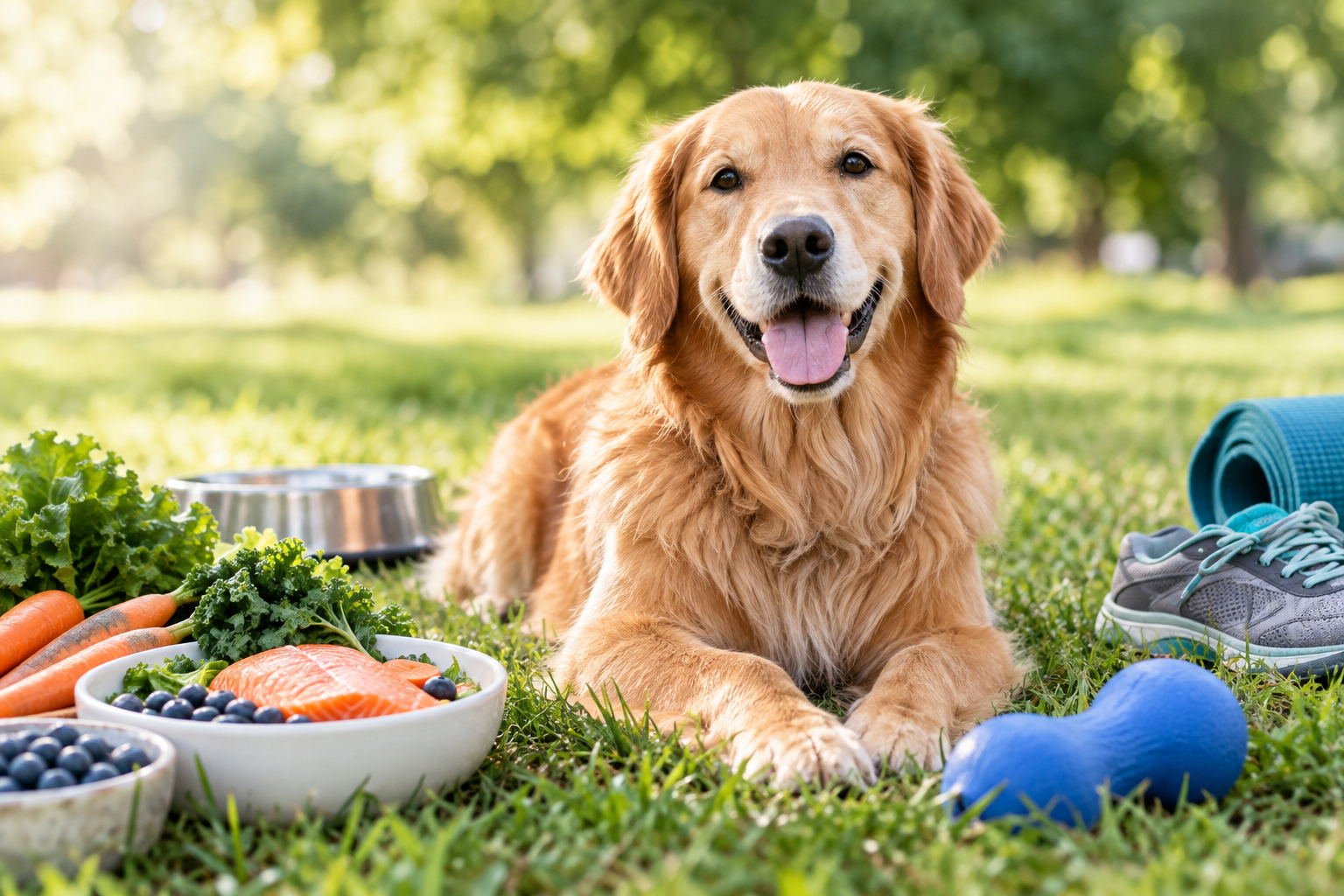
1. Pay attention to what goes into the bowl
Nutrition is one area where dog parents have a lot of influence.
Choose a complete and balanced diet that fits your dog’s age, size, activity level, and individual needs. Treats and table scraps count, too. They can add calories quickly, and too many extras may contribute to unwanted weight gain.
If your dog has a medical condition or special nutritional needs, talk with your veterinarian before making major dietary changes.
2. Help your dog maintain a healthy weight
Extra body fat is more than a cosmetic concern.
Keeping your dog at a healthy weight supports mobility, metabolic health, and overall quality of life. Your veterinarian can help you determine what a healthy body condition looks like for your individual dog.
Portion size matters. So does daily activity.
3. Keep your dog moving
Dogs need regular physical activity, but the right amount depends on the individual.
A young, energetic dog may need more activity than an older dog. Some breeds were developed for demanding physical work, while others may be perfectly happy with shorter walks and interactive play.
Mix movement with mental stimulation. A sniff-filled walk, a training session, or a game of fetch can all give your dog something useful to do.
4. Think about everyday environmental exposures
Your dog shares your home, yard, and many of your daily habits.
That makes it worth paying attention to what they come into contact with. Follow label directions for household and yard products, keep potentially harmful substances out of reach, and avoid exposing your dog to cigarette smoke.
You don’t need to panic about every product in your home. Just be thoughtful about what your dog regularly encounters.
5. Don’t skip preventive veterinary care
Regular veterinary visits give you an opportunity to catch changes early and keep track of your dog’s health as they age.
Your veterinarian can recommend appropriate wellness exams, vaccinations, parasite prevention, dental care, screening, and other measures based on your dog’s age and risk factors.
And if you notice a new lump, unexplained weight loss, persistent changes in appetite, or another unusual change, don’t wait for the next routine appointment. Get it checked.
Can you completely prevent cancer in dogs?
No.
That distinction matters. Even dogs with excellent diets, active lifestyles, and attentive care can develop cancer.
The goal is to support your dog’s health without making promises that no one can honestly make. Prevention is about managing the factors you can influence while staying alert to changes that deserve veterinary attention.
For dog parents who want to understand this topic more deeply, Animal Wellness Academy offers 5 Ways to Prevent Your Dog Getting Cancer, a two-lesson course taught by Karen Shaw Becker, DVM.
Take Our Course: 5 Ways to Prevent Your Dog Getting Cancer
Want to learn more about practical ways to support your dog’s long-term health?
Our 5 Ways to Prevent Your Dog Getting Cancer course gives dog parents a focused introduction to the topic, helping you explore preventive care choices you can discuss with your veterinarian and incorporate into your dog’s everyday routine.
Frequently Asked Questions
Can a healthy lifestyle prevent cancer in dogs?
No lifestyle can guarantee cancer prevention. Healthy nutrition, appropriate exercise, weight management, preventive veterinary care, and reducing avoidable exposures can support your dog’s overall health.
What are some ways to support my dog’s long-term health?
Start with the basics: provide an appropriate balanced diet, maintain a healthy weight, offer regular physical and mental activity, limit avoidable environmental exposures, and keep up with veterinary care.
Should I change my dog’s diet to prevent cancer?
There is no single diet proven to guarantee cancer prevention. If you’re considering a major dietary change, especially for a dog with an existing health condition, discuss it with your veterinarian first.
When should I have a lump or other change checked?
Any new or changing lump, unexplained weight loss, persistent appetite changes, or other unusual signs should be discussed with your veterinarian. It’s better to have a concerning change evaluated than to assume it is harmless.