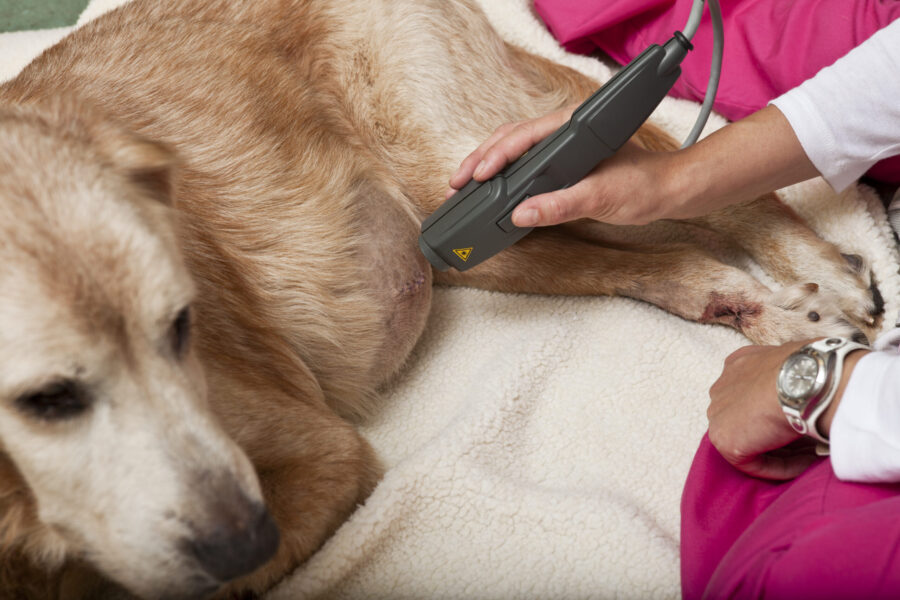


What Is Tui Na for Dogs and Cats? Can It Help Them Live Longer?
As our dogs and cats get older, we naturally want to do everything we can to support their health and quality of life.
That can lead pet owners to explore different approaches to animal wellness, including therapies they may not have encountered before. One of these is Tui Na, a hands-on practice used in Traditional Chinese Medicine and Traditional Chinese Veterinary Medicine.
But what is Tui Na for dogs and cats? And could it have a role in helping them live healthier, longer lives?
TL;DR
Tui Na is a hands-on therapeutic approach that is used in some forms of Traditional Chinese Veterinary Medicine. While it may be considered as part of a broader approach to animal wellness, there isn’t enough evidence to say that Tui Na itself can extend a dog’s or cat’s lifespan. Our short course, Can Tui Na Help Your Dog or Cat Live Longer?, explores the approach and the ideas behind its use with companion animals.
What Is Tui Na for Dogs and Cats?
Tui Na is a hands-on therapy that originated in Traditional Chinese Medicine.
The practice uses different forms of touch, pressure and movement. However, it isn’t simply general massage. Instead, Tui Na follows its own principles and techniques, which practitioners have also adapted for use with animals.
Within Traditional Chinese Veterinary Medicine, practitioners may use Tui Na alongside other approaches to animal care.
For pet owners, Tui Na offers an interesting topic to explore, particularly if you’re interested in complementary approaches to supporting your dog’s or cat’s wellbeing.
Why Are People Exploring Tui Na for Pets?
Pet wellness isn’t only about treating an illness after it develops.
Instead, many pet owners look for ways to support their animal’s overall wellbeing throughout life. For example, that can include nutrition, exercise, enrichment, preventive care, environment and other aspects of day-to-day health.
Complementary therapies also form part of that conversation.
Tui Na takes a hands-on approach, which has led some animal wellness practitioners and pet owners to explore where it might fit within a broader care plan.
However, that doesn’t mean strong scientific evidence supports every claim about a complementary therapy.
For this reason, understanding what we know, what we don’t know and where a therapy may fit can help you make informed decisions about your pet.
Can Tui Na Help Your Dog or Cat Live Longer?
This is probably the most interesting question.
However, supporting an animal’s wellbeing isn’t the same as proving that a particular therapy can extend its lifespan.
At present, there isn’t enough evidence to conclude that Tui Na itself helps dogs or cats live longer.
That doesn’t necessarily make the subject irrelevant. Instead, it means we need to consider claims about longevity carefully.
There are other questions worth asking, too.
For example, could a complementary therapy have a role in supporting aspects of an animal’s wellbeing? How do practitioners approach Tui Na differently for dogs and cats? And where does it fit alongside conventional veterinary care?
Ultimately, those questions deserve more than a simple yes or no.
Is Tui Na a Form of Holistic Pet Care?
You may see people discuss Tui Na in connection with holistic or integrative animal wellness.
A holistic approach generally looks at an animal as a whole rather than focusing on one isolated part of their health. As a result, this can mean considering factors such as physical condition, nutrition, lifestyle, environment and behavior.
This broader approach to animal care can include Tui Na.
However, holistic care doesn’t mean replacing veterinary medicine. Instead, a complementary approach should work alongside appropriate veterinary diagnosis or treatment, particularly when an animal has a health concern.
In other words, the question is how different approaches may fit together.
Is Tui Na Suitable for Every Dog or Cat?
Not necessarily.
Every animal has different needs. For example, their age, health, physical condition and individual circumstances can all affect what types of care may suit them.
That’s one reason you shouldn’t assume a therapy is suitable simply because another pet has benefited from it.
If you’re considering Tui Na for your dog or cat, talk with your veterinarian about your pet’s individual needs and whether a complementary approach is appropriate.
In addition, learning about the therapy itself can help you have a more informed conversation about your options.
Why Is Tui Na Worth Learning About?
Tui Na raises a bigger question about how we think about animal wellness.
As pet owners learn more about nutrition, behavior, preventive care and complementary therapies, they have more approaches to consider. At the same time, more choices also bring more questions.
What does a particular therapy actually involve? What is it intended to do? What does the available evidence tell us?
And how might it fit into the overall care of a dog or cat?
You don’t need to become an expert in every complementary therapy to make informed decisions about your pet. Instead, understanding the basics can give you a better starting point.
Take Our Course: Can Tui Na Help Your Dog or Cat Live Longer?
Can Tui Na Help Your Dog or Cat Live Longer? is a short course that explores Tui Na and its potential role in animal wellness.
In just a few minutes, you’ll learn more about this hands-on approach and how it relates to the health and wellbeing of dogs and cats.
It’s a quick introduction to a lesser-known approach to animal care and the questions surrounding its potential role in supporting our companion animals.
Frequently Asked Questions
What is Tui Na for dogs and cats?
Tui Na is a hands-on therapeutic approach originating from Traditional Chinese Medicine that is also used in some forms of Traditional Chinese Veterinary Medicine.
Is Tui Na the same as massage?
Tui Na uses hands-on techniques, but it follows specific principles and methods rather than being simply a general massage.
Can Tui Na help dogs and cats live longer?
There isn’t enough evidence to conclude that Tui Na itself extends the lifespan of dogs or cats. Its potential role in supporting wellbeing is a separate question.
Can Tui Na replace veterinary care?
No. Tui Na and other complementary approaches should not replace appropriate veterinary diagnosis or treatment.