

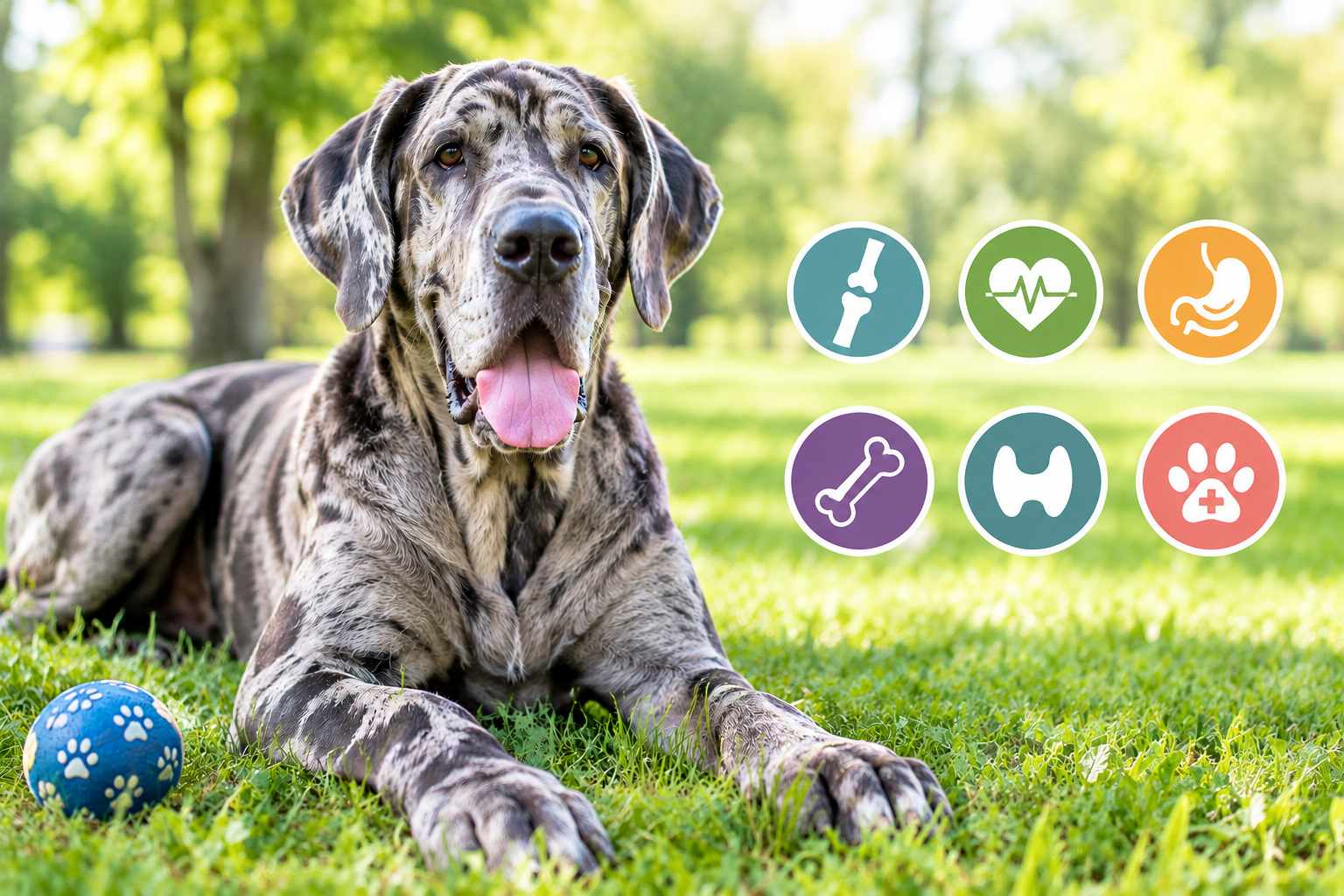
What Health Issues Are Common in Giant Breed Dogs?
Giant breed dogs have giant personalities, giant paws, and often a giant appetite for life. But their size can also bring health concerns that dog parents should understand.
From bloat and joint problems to growth-related issues and certain cancers, giant dogs can have different health considerations than smaller breeds. Knowing what to watch for can help you have more informed conversations with your veterinarian and make thoughtful choices throughout your dog’s life.
TL;DR: Giant breed dogs can be prone to health issues involving their joints, bones, digestive system, and other areas of the body. Understanding these risks can help you recognize changes in your dog and support their health. Want to learn more? Take our Health Issues in Giant Breed Dogs course to explore the common concerns that can affect these special dogs and what dog parents should know.
Why Do Giant Breed Dogs Have Different Health Needs?
Size affects more than how much space your dog takes up on the couch.
Giant breeds can put more stress on their developing bones and joints, especially during puppyhood. Rapid growth can contribute to skeletal problems, which is one reason nutrition and maintaining a healthy body condition matter as your giant puppy grows.
Genetics can also play a role. Some conditions are more common in particular breeds, so knowing your dog’s breed history and potential risks can give you useful information to discuss with your veterinarian.
What Health Problems Are Common in Giant Breed Dogs?
Several health concerns deserve special attention.
Bloat is one of the most serious. Gastric dilatation-volvulus, commonly called GDV or bloat, can occur in large, deep-chested dogs and is a veterinary emergency. Signs can include a swollen abdomen, restlessness, and repeated attempts to vomit without producing anything. If you suspect bloat, seek emergency veterinary care immediately.
Hip and elbow dysplasia can affect some giant breeds and may lead to pain, stiffness, or difficulty moving. Genetics can influence risk, while growth, weight, and other factors can also matter.
Arthritis is another concern. Carrying a large body puts substantial demands on the joints, and excess weight can make mobility problems harder on your dog.
Giant breeds can also have an increased risk of certain bone cancers, including osteosarcoma. A new lump, persistent lameness, or another unusual change deserves veterinary attention rather than a wait-and-see approach.
How Can You Support Your Giant Dog’s Health?
You can’t prevent every condition, but everyday care still matters.
Feed your dog an appropriate diet and avoid overfeeding, particularly during growth. Keep an eye on body condition rather than assuming a larger dog should carry extra weight.
Exercise should also fit your dog’s age, development, and physical abilities. A growing giant breed puppy doesn’t necessarily need the same activities as a healthy adult.
Regular veterinary visits give you another important advantage: a chance to discuss your dog’s individual risks and investigate changes before they become harder to manage.
What Can You Learn From the Giant Breed Dog Health Course?
If you share your home with a Great Dane, Mastiff, Saint Bernard, Irish Wolfhound, Newfoundland, or another giant breed, understanding potential health concerns can make you a more prepared dog parent.
The Health Issues in Giant Breed Dogs course gives you a focused opportunity to learn more about the conditions that commonly affect giant dogs and the factors that can influence their health. It can help you build your knowledge so you can better understand your dog’s needs and know what questions to bring to your veterinarian.
Take Our Course: “Health Issues in Giant Breed Dogs”
Want to become a more informed giant breed dog parent?
Take our Health Issues in Giant Breed Dogs course to learn more about common health concerns affecting giant dogs and the ways you can support your companion’s well-being.
Frequently Asked Questions
What health problems are common in giant breed dogs?
Giant breeds can be prone to conditions such as bloat, hip and elbow dysplasia, arthritis, growth-related skeletal problems, and certain cancers. Risk varies by breed and individual dog.
Are giant breed puppies more vulnerable to growth problems?
Rapid growth can place extra demands on developing bones and joints. Appropriate nutrition, healthy body condition, and veterinary guidance are important during this stage.
Is bloat an emergency in giant breed dogs?
Yes. Suspected bloat or GDV requires immediate veterinary attention. Do not wait to see if symptoms improve.
How can I help keep my giant breed dog healthy?
A balanced diet, healthy body condition, appropriate exercise, regular veterinary care, and awareness of breed-specific health risks can all play a role in supporting your dog’s well-being.