
Raw Bone Feeding for Dogs: What Pet Parents Should Know
Giving your dog a bone to chew can seem like a natural way to support dental health and keep them occupied. But raw bone feeding involves more than choosing something from the butcher counter. The type of bone, your dog’s chewing habits, and food safety all matter.
Before adding raw bones to your dog’s routine, it’s worth understanding both the potential benefits and the risks. Raw bones are not suitable for every dog, and they can cause broken teeth, choking, digestive injuries, or exposure to harmful bacteria.
TL;DR: Raw bone feeding for dogs requires careful consideration of safety, bone selection, hygiene, and your dog’s individual needs. Bones are not a guaranteed way to clean teeth or provide complete nutrition. To explore the topic in more detail, check out Animal Wellness Academy’s Raw Bone Feeding course and learn more about the considerations involved in this feeding approach.
What Is Raw Bone Feeding?
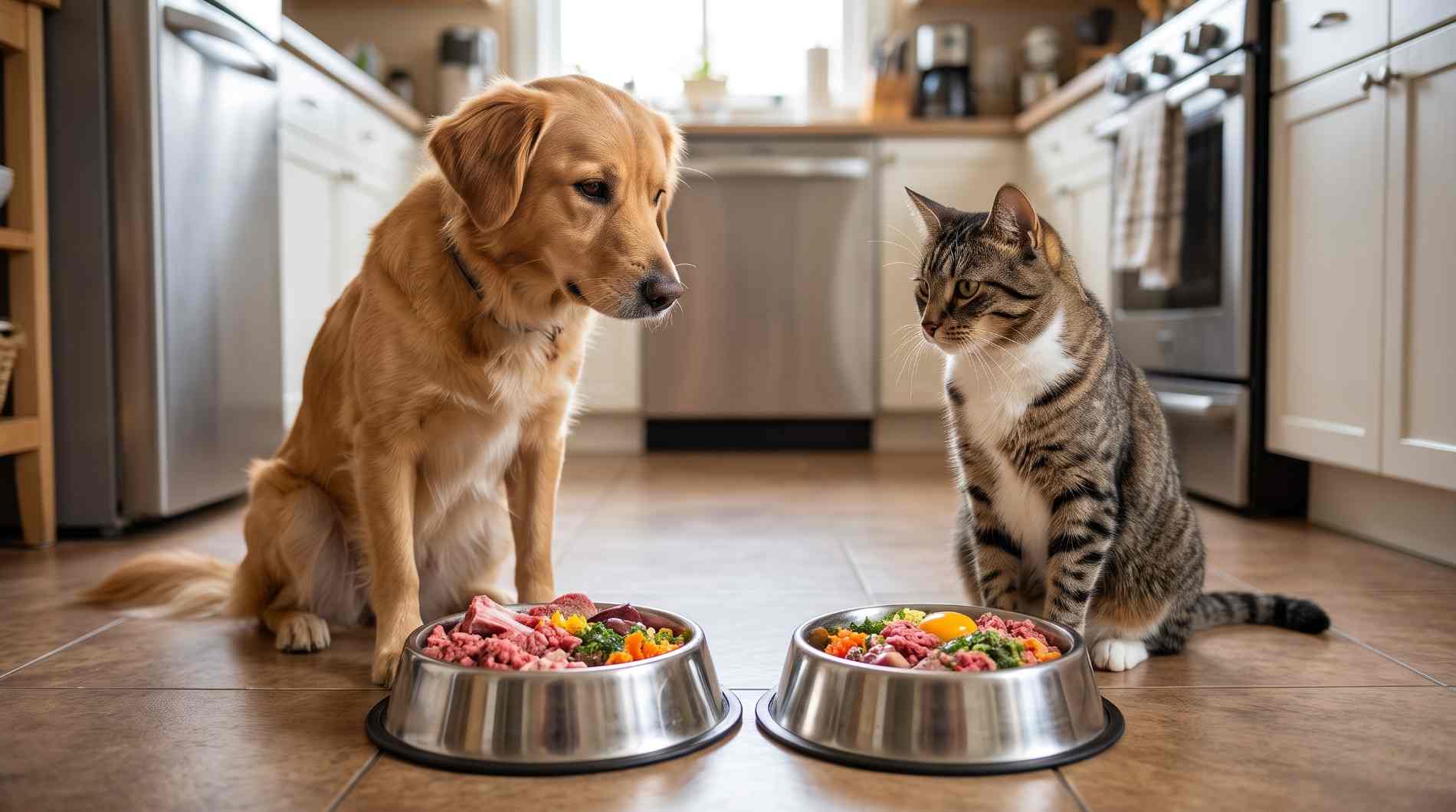
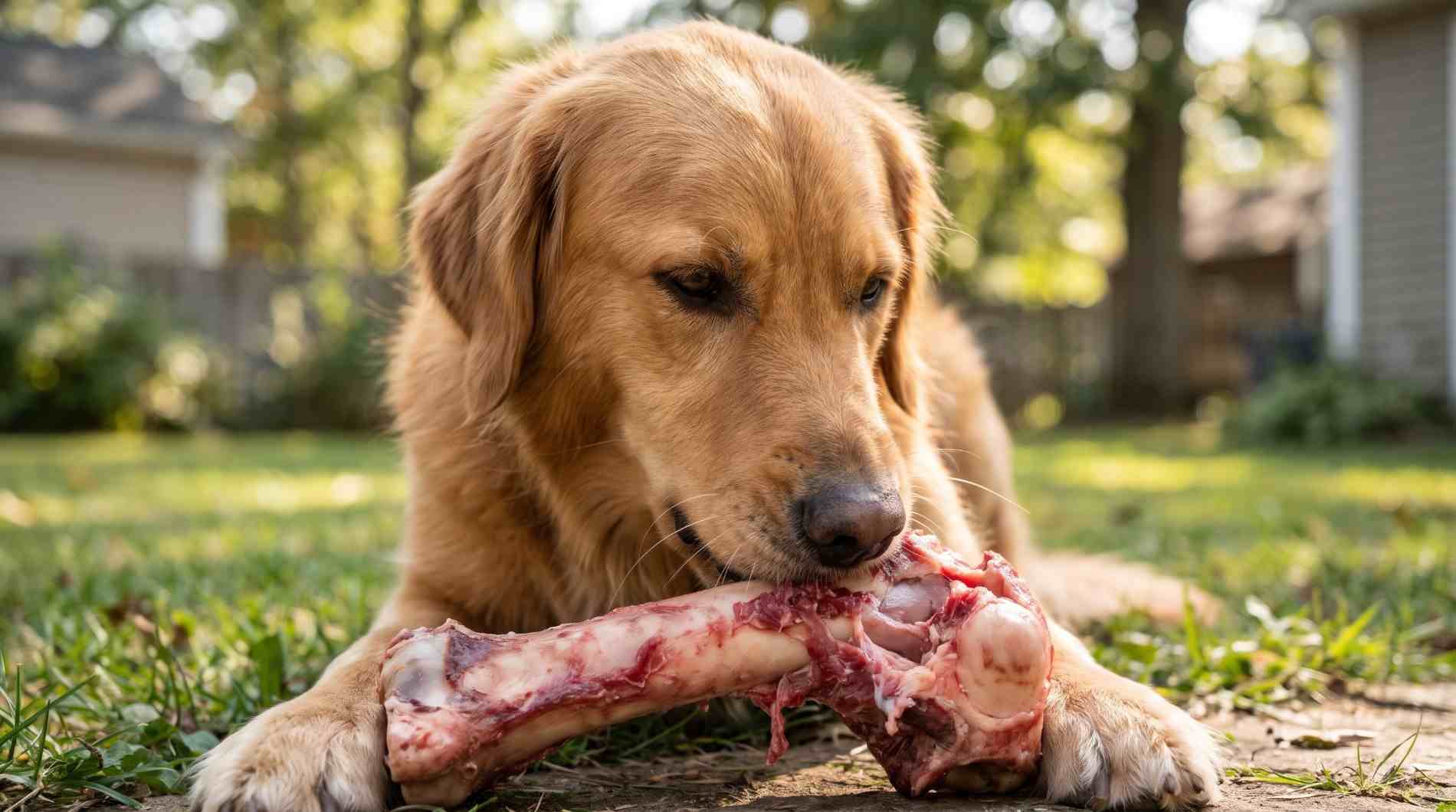
Raw bone feeding involves offering uncooked bones to dogs, either as part of a raw feeding plan or as an occasional chew. Some pet parents are drawn to this approach because chewing provides enrichment and may help remove some material from tooth surfaces.
However, a bone is not a nutritionally complete meal. Dogs need a balanced diet that provides the right amounts of protein, fats, vitamins, minerals, and other essential nutrients. If you’re considering a raw diet, it’s important to understand how the entire diet is formulated rather than focusing on one ingredient.
Raw bone feeding also differs from feeding cooked bones. Cooked bones should not be given to dogs, as cooking can make them brittle and more likely to splinter. Raw bones can still cause serious injuries, so uncooked does not automatically mean safe.
What Are the Risks of Feeding Raw Bones to Dogs?
Before offering a raw bone, consider the main risks:
- Broken teeth: Very hard bones can fracture teeth, sometimes requiring veterinary treatment.
- Choking and blockages: Pieces of bone may become lodged in the throat or digestive tract.
- Digestive injuries: Bone fragments can injure the stomach or intestines, and blockages may require surgery.
- Bacterial contamination: Raw animal products can carry pathogens such as Salmonella and E. coli. Dogs may become ill or spread bacteria to people and other animals.
The risks deserve particular attention in homes with young children, older adults, pregnant people, or anyone with a weakened immune system. Good hygiene helps reduce exposure, but it cannot make raw feeding completely risk-free.
How Can You Make an Informed Choice About Bone Feeding?
Start by talking with your veterinarian. Your dog’s age, dental health, chewing style, medical history, and existing diet all matter when considering whether any bone-based product is appropriate.
If your goal is to support dental health, ask about veterinary dental care and products designed for dogs. If you’re exploring raw feeding for nutritional reasons, consult a veterinary nutrition professional who can help you evaluate the whole diet for nutritional completeness.
Never leave a dog unattended with a bone, and don’t assume that choosing a larger or softer bone eliminates the risk. If your dog chokes, struggles to breathe, vomits repeatedly, develops abdominal pain, or has difficulty passing stool after chewing a bone, contact a veterinarian promptly. Breathing difficulties or choking require emergency care.
Learning about raw bone feeding means understanding the concerns as well as the reasons some pet parents consider it. That knowledge can help you ask informed questions and make decisions with your dog’s well-being in mind.
Take Our Course: “Raw Bone Feeding”
Interested in learning more about raw bone feeding and the considerations involved?
Animal Wellness Academy’s Raw Bone Feeding course gives pet parents an opportunity to explore this feeding topic in greater detail. Use it as a starting point for building your knowledge, then discuss your dog’s individual needs and any potential risks with your veterinarian.
Frequently Asked Questions
Are raw bones safe for all dogs?
No. Raw bones can cause dental fractures, choking, digestive injuries, and bacterial exposure. Ask your veterinarian whether bone products are appropriate for your individual dog.
Are raw bones better than cooked bones?
Neither should be assumed safe. Cooked bones can splinter, while raw bones can still damage teeth, cause blockages, and carry harmful bacteria.
Can raw bones clean a dog’s teeth?
Chewing may remove some material from tooth surfaces, but bones can also fracture teeth and injure the mouth. Ask your veterinarian about safer dental-care options.
Can raw bones replace a balanced dog food?
No. A bone alone does not provide complete and balanced nutrition. If you’re considering a raw diet, work with a veterinary nutrition professional to ensure your dog receives all essential nutrients.