
Responsible Rehoming: How to Find a Safe, Loving Home for Your Dog or Cat
Making the decision to rehome a beloved pet can be heartbreaking. Changes in housing, finances, family circumstances, or health can leave pet parents facing a situation they never expected. If you’re struggling, it’s worth exploring possible solutions before making a decision. And if rehoming truly is necessary, your pet’s safety and future well-being should guide every step.
Responsible rehoming isn’t simply finding someone willing to take your dog or cat. It means choosing a suitable caregiver, sharing honest information about your pet, and making the transition as safe and thoughtful as possible.
TL;DR: Responsible rehoming for dogs and cats starts with exploring alternatives, choosing a trustworthy new caregiver, sharing your pet’s medical and behavioral history, and planning a careful transition. Animal Wellness Academy’s Responsible Re-Homing Your Dog/Cat course can help you explore the key considerations involved in making this difficult decision with your pet’s welfare in mind.
Should You Explore Alternatives Before Rehoming Your Pet?
If the problem is temporary or manageable, support may help you keep your pet at home. For example, if veterinary expenses are becoming difficult to manage, ask local animal welfare groups or veterinary clinics about assistance programs. If behavior challenges are affecting your household, a veterinarian or qualified behavior professional may be able to help.
Housing problems can be more complicated, but it may be worth discussing pet policies with a landlord or looking for pet-friendly accommodation. Friends or family members may also be able to provide temporary care during a difficult period.
There isn’t always a workable alternative, and needing to rehome a pet doesn’t automatically mean you don’t care. The goal is to consider realistic options while putting your animal’s needs first.
How Can You Find the Right Home for Your Dog or Cat?
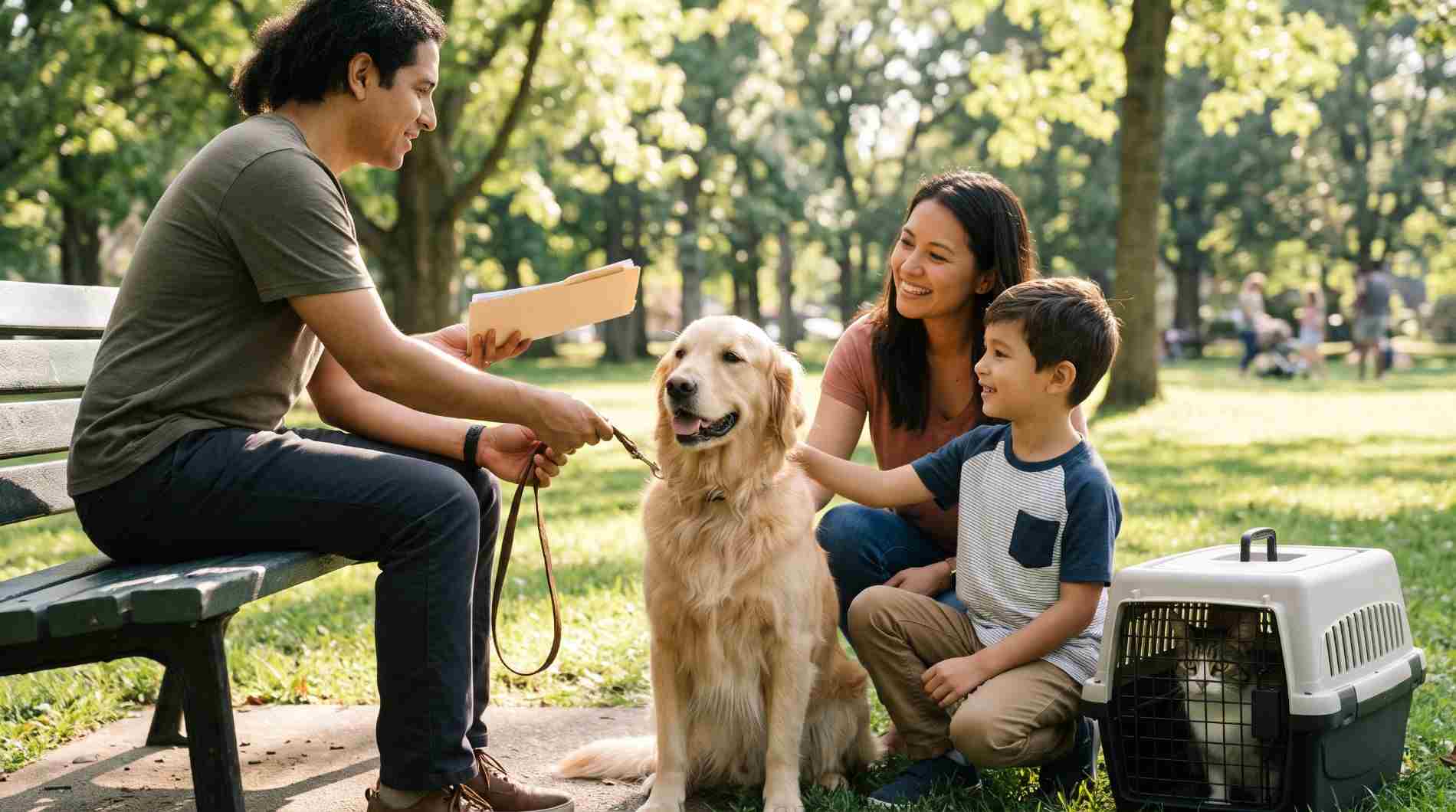
Start with people you know and trust, such as responsible friends or family members who understand the commitment involved in caring for an animal. If you need help, contact a reputable rescue organization or shelter to ask about its rehoming resources.
Take time to assess potential adopters. Consider their living situation, experience with animals, daily schedule, and ability to provide veterinary care. If they rent, confirm that pets are allowed. Ask how they plan to introduce your pet to children or other animals, if applicable.
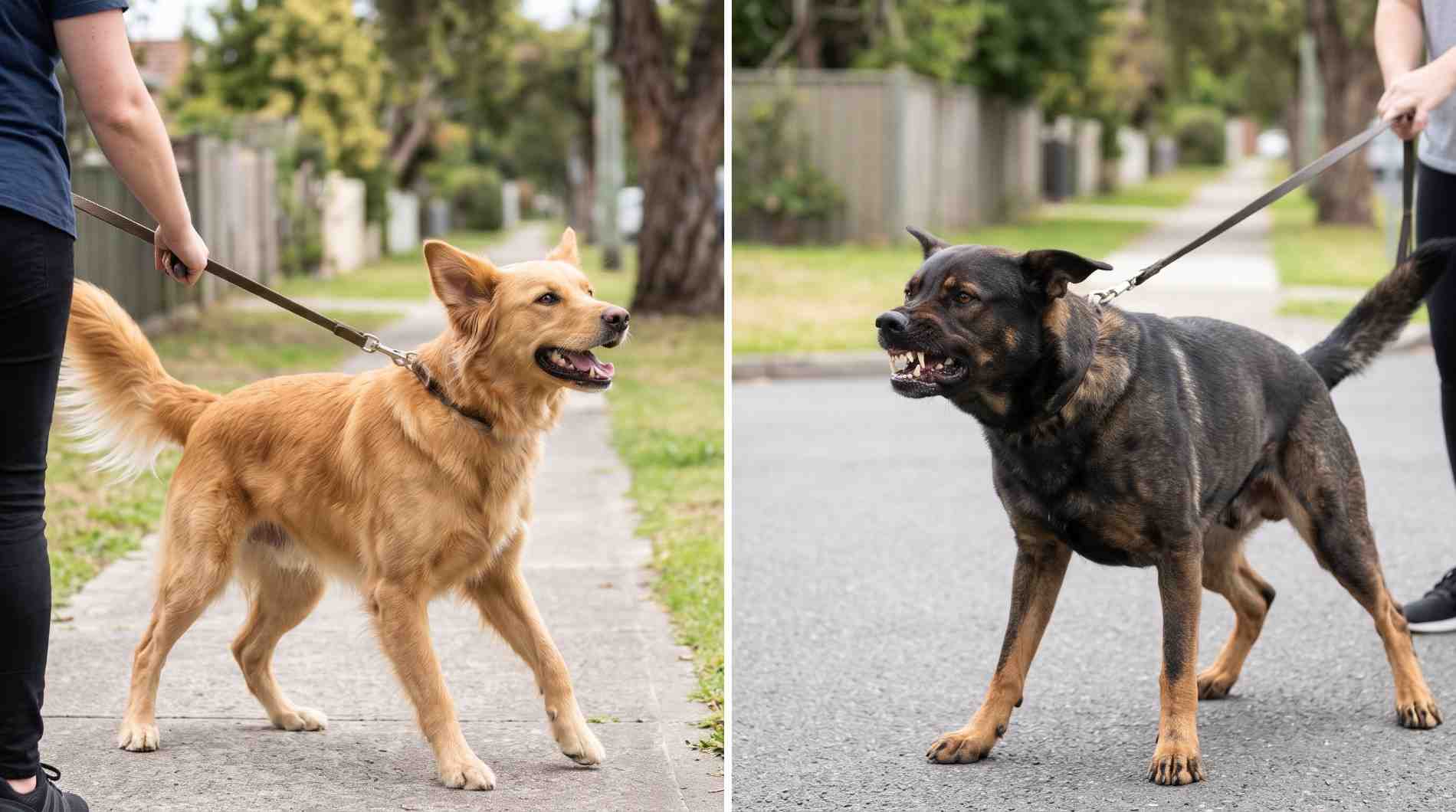
Be honest about your pet’s personality, habits, medical needs, and behavioral challenges. A dog who struggles around unfamiliar dogs or a cat who needs a quiet home may thrive with the right match. Hiding these details can put your pet and the new caregiver in a difficult position.
Avoid handing your pet to an unverified stranger or relying on a quick online exchange. If you use social media to find a home, screen interested people carefully and consider asking a rescue group for guidance.
What Information Should You Share With a New Caregiver?
A smooth transition starts with a clear picture of your pet’s needs. Prepare the following information before the move:
- Medical history: Share veterinary records, vaccination details, known allergies, current medications, and any ongoing health concerns.
- Daily routine: Explain feeding schedules, preferred food, exercise needs, litter habits, and sleeping arrangements.
- Behavior and personality: Describe how your pet responds to strangers, children, other animals, handling, and time alone.
- Identification details: Provide registration and microchip information, and arrange to update the registered contact details after the transfer.
- Familiar belongings: Send along a favorite blanket, toy, or other familiar item when possible.
A written care summary helps the new caregiver understand what your pet needs from day one. It also gives them a practical reference as your pet adjusts to a new environment.
How Can You Make Rehoming Less Stressful?
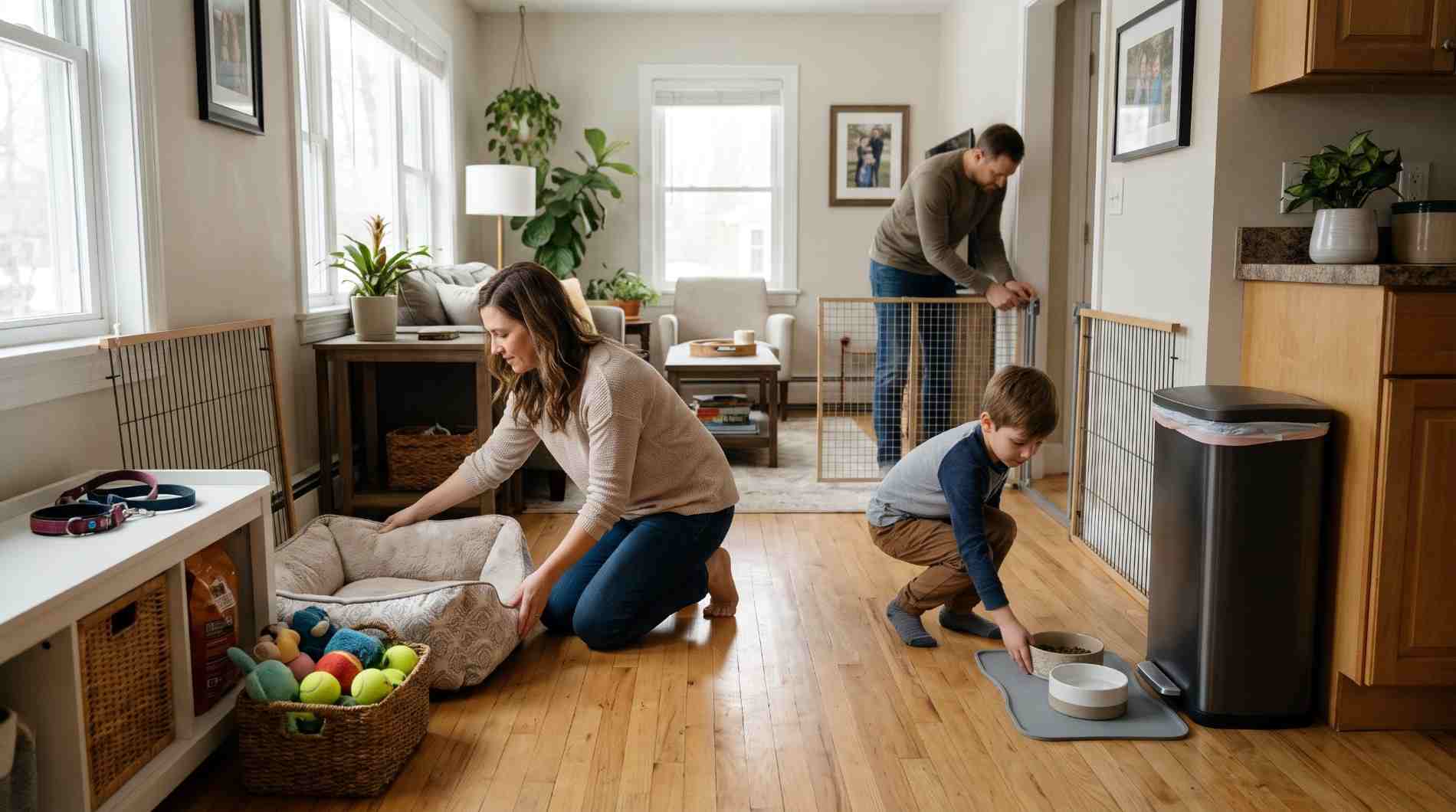
Changes in home, people, and routine can be unsettling for animals. Plan the handover in advance, transfer familiar food and belongings, and explain what helps your pet feel comfortable.
Arrange the legal ownership transfer and clarify responsibility for veterinary care. Depending on your location, there may be specific requirements for licensing, identification, or animal transfers, so check local rules.
After the move, agree on an appropriate way to check in, if the new caregiver is comfortable with it. Give your pet time to settle without expecting an immediate bond. If a suitable home cannot be found safely, seek guidance from a reputable shelter or rescue organization rather than abandoning your pet or making a rushed placement.
Take Our Course: “Responsible Re-Homing Your Dog/Cat”
If you’re facing the difficult decision of finding a new home for your companion, Responsible Re-Homing Your Dog/Cat from Animal Wellness Academy can help you explore important considerations around the rehoming process. Learn more about making thoughtful choices that prioritize your pet’s safety, care, and long-term well-being.
Frequently Asked Questions
Is rehoming a dog or cat always the best option when life gets difficult?
Not necessarily. Temporary assistance, veterinary support, behavior guidance, or help with housing may make it possible to keep your pet. If rehoming is necessary, focus on finding a safe, suitable home.
How do I know if a potential adopter is trustworthy?
Ask about their experience, living arrangements, plans for veterinary care, and expectations for the animal. Take time to verify that they can meet your pet’s needs.
Should I tell the new owner about my pet’s behavior problems?
Yes. Honest information about fears, triggers, medical needs, and daily habits helps the new caregiver prepare and decide whether the match is appropriate.
What if I cannot find a suitable home?
Contact a reputable shelter or rescue organization for advice about responsible placement options. Avoid abandoning your pet or transferring them to someone whose ability to provide proper care you cannot assess.